
Everett sits on the Port Gardner Peninsula with salt water on one side and a river delta on the other. Port Gardner Bay forms the western edge, and the Snohomish River wraps around the north and east before emptying into Possession Sound. The city counts roughly 11 miles of saltwater shoreline and another 11 of freshwater shoreline, and about 15 of its 48 square miles are water. Rain here averages close to 36 inches a year, most of it between October and March, with December usually the wettest month.
The Restoration Job connects callers with restoration companies and does not do the work itself. Call (888) 317-9980 at any hour and we will connect you with an independent restoration provider that serves Everett, from the historic streets of the north end down to Silver Lake. That company inspects the damage, explains its scope and works out the job directly with you.
How the call works: when you call (888) 317-9980, The Restoration Job connects you with an independent restoration provider that serves Everett. That provider inspects the damage, explains the scope and quotes the work. The Restoration Job doesn't perform restoration itself. Read our referral disclosure.
A City Bordered by the Snohomish River Delta
The Snohomish River runs along Everett's eastern boundary through a broad floodplain of wetlands, tideflats and islands, including part of Smith Island inside city limits. During the December 2025 atmospheric river storms, the Snohomish broke its all-time flood record on December 11, and the Skykomish upstream came close to its own. Most Everett homes sit well above the delta, but businesses, roads and properties on the low ground along the river sit much closer to that water.
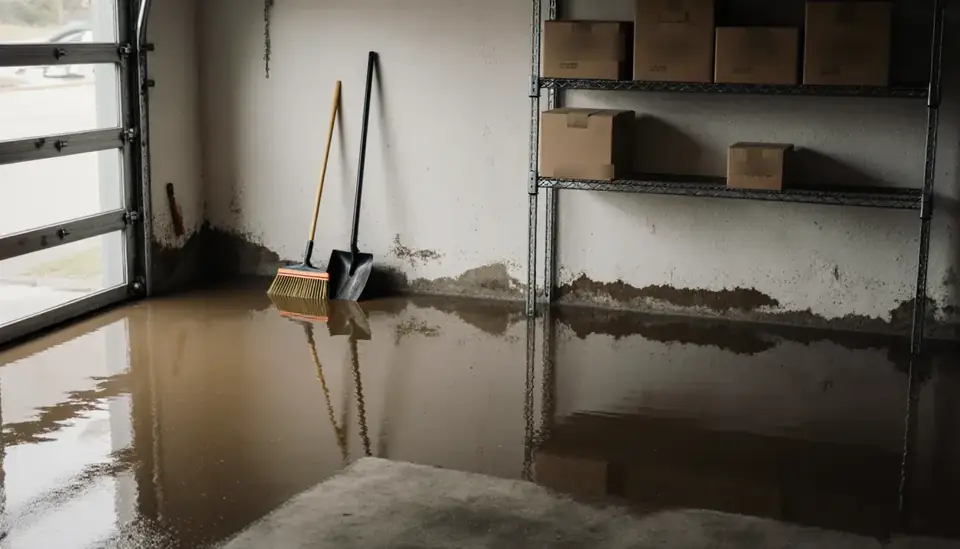
River water that enters a building is treated as contaminated. It carries silt, farm runoff and often sewage, so soaked drywall, insulation, carpet and pad usually come out rather than being dried in place. A provider handling flood cleanup will typically pump out standing water, remove affected materials to a clean line, clean and disinfect framing, and then set up drying equipment.
Ravines, Bluffs and Slides on the Southwest Side
The southwest neighborhoods are cut by ravines where small creeks drain toward Port Gardner Bay, and the slopes along the shoreline rail line are known for mudslides that halt passenger and freight trains. Sound Transit's Sounder trains between Seattle and Everett have to stop for at least 48 hours after a slide, and a record 170 trips were cancelled between September 2012 and March 2013.
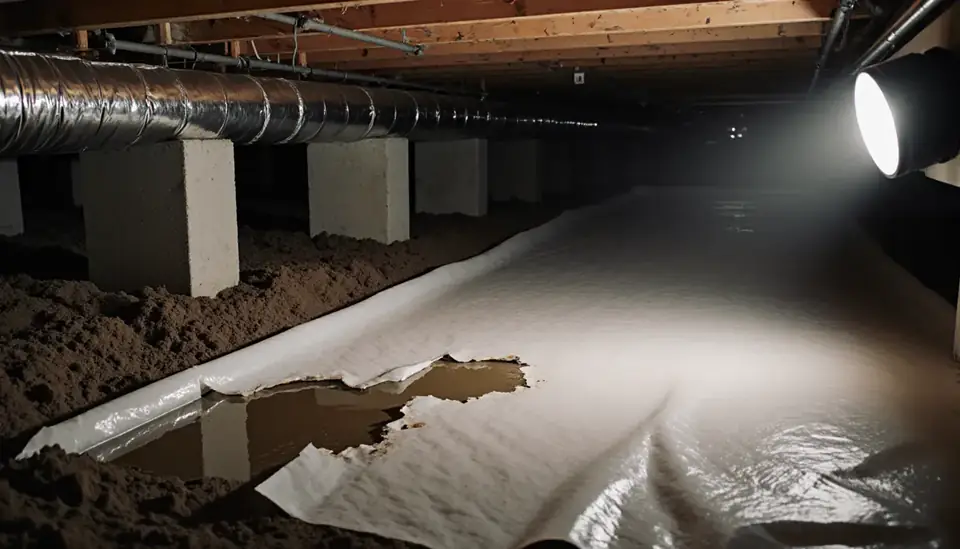
For homeowners near a ravine or bluff, the same wet-season saturation shows up in more ordinary ways: water seeping through foundation walls, crawl spaces collecting runoff, and downspouts that dump onto a slope instead of carrying water away. Changes in drainage, new cracks in the ground or a sudden muddy trickle in a creek are worth reporting to the city or county before they become a bigger problem.

Older North End Homes and a Renter-Heavy Housing Market
North Everett holds much of the city's older housing, with historic districts in Northwest Everett, Riverside and on Rucker Hill in the Port Gardner neighborhood. Older houses can have galvanized supply lines, aging cast-iron drains, plaster walls and basements or crawl spaces that were never built to modern drainage standards. Plaster holds water differently from drywall, and a careful provider will test it with moisture meters before deciding what needs to come out.
Everett also has one of the lowest homeownership rates in the state, with renters occupying about 55 percent of its roughly 47,000 housing units. In apartments, a single overflowing tub or failed water heater can reach the units below. Tenants should notify the landlord or property manager right away and photograph their own belongings, since a landlord's policy generally covers the building, not a renter's furniture or electronics.
Cold Marine Air and Slow-Drying Materials
Everett's winters are mild, with January averaging around 45 degrees, but the air from late fall through spring is cool and damp. That combination slows natural evaporation, so wet carpet pad, subfloor and wall cavities can stay damp for weeks if nobody pulls the moisture out mechanically. Hidden dampness is how mold gets started behind baseboards, under vinyl flooring and in closets on exterior walls.
Restoration crews usually rely on commercial dehumidifiers and air movers with daily moisture readings until materials return to dry standards. If you already see spotting or smell mustiness from an older leak, mold remediation combines removing affected materials with correcting the source of the moisture. Cold snaps matter too: the city has reached 0 degrees, and pipes in uninsulated crawl spaces or exterior walls can split when temperatures drop well below freezing.
First Hours After a Leak in Everett
- Shut off the main water valve or the valve at the failed fixture.
- Kill the breakers for soaked rooms, but only from a dry spot at the panel.
- Photograph every affected room, ceiling and item before cleanup starts.
- Call your insurer, and in a rental or condo, notify the manager or association.
- Keep people and pets out of any water that came from outside or from a sewer line.
For river and storm warnings, sign up for SnoCoAlerts through Snohomish County, and look up your address on FEMA's flood maps if you live or work near the delta.
Everett Neighborhoods and Surrounding Towns
Calls come in from across Everett, including:
- Northwest Everett
- Riverside
- Port Gardner
- Delta
- Bayside
- Lowell
- Silver Lake
- Pinehurst-Beverly Park
- Cascade View
The same line also serves nearby communities such as:
Common Questions
Can the Snohomish River flood homes inside Everett?
Most of Everett is on higher ground above the delta, but the river forms the city's eastern edge and set an all-time flood record in December 2025. Properties on low ground near the river, or out in the delta carry more risk. Check your address on FEMA's flood maps and sign up for county flood alerts so you hear about rising water early.
I rent an apartment in Everett and water came through my ceiling. What should I do?
Tell your landlord or property manager immediately so they can stop the source and address the building. Then photograph your belongings and contact your renters insurer if you have a policy. The landlord's coverage generally applies to the structure, while your own policy covers your contents. You can also call (888) 317-9980 if you need to reach an independent restoration provider.
Do older north Everett homes need different handling after water damage?
Often, yes. Plaster walls, old wood floors and original trim can sometimes be dried in place rather than replaced, but only with careful moisture monitoring. Older plumbing and drains may also be the source of the problem, so a plumber may need to repair the line before drying can finish. Ask the provider how they plan to protect historic materials.
Is a slide or seepage near a ravine covered like a burst pipe?
Usually not in the same way. A sudden pipe failure is typically handled under standard homeowners coverage, while earth movement and surface water entering from outside are commonly excluded or need separate coverage. Read your policy, document everything, and ask your agent before work starts on anything beyond emergency drying.