
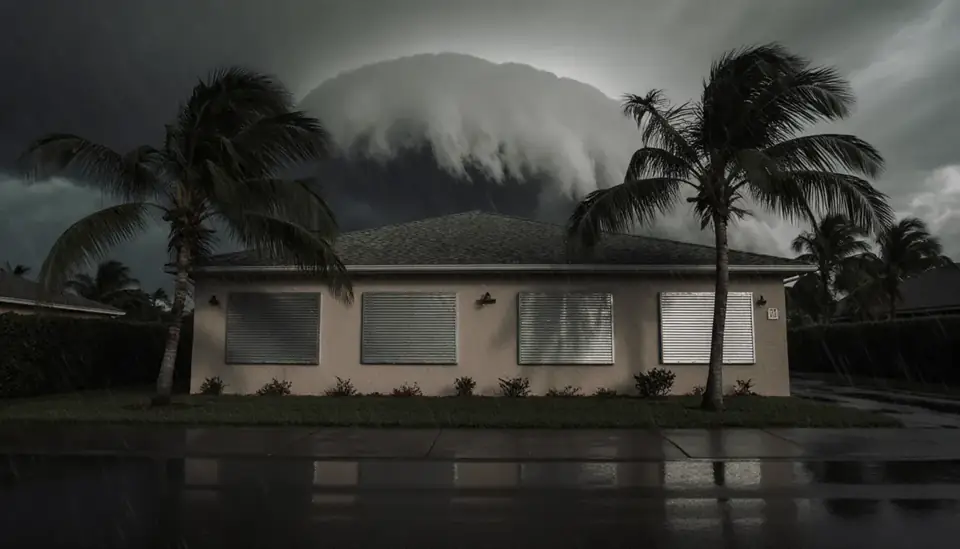
Mukilteo stretches about 5.4 miles along Possession Sound, with Port Gardner Bay to the north and Everett to the east. Most of the city sits on a plateau, and its western edge drops off in bluffs that are cut by ravines and gulches, among them Japanese Gulch, Big Gulch and the Chennault Ravines. Roughly 38 to 39 inches of precipitation fall in a typical year, spread across about seven months, and nearly all of that water has to find its way off the plateau and down those slopes to the Sound.
The Restoration Job only routes calls and never sends its own workers. When you call (888) 317-9980, day or night, we put you through to an independent restoration provider that covers Mukilteo. The provider performs the inspection and any cleanup or repairs under its own terms.
How the call works: when you call (888) 317-9980, The Restoration Job connects you with an independent restoration provider that serves Mukilteo. That provider inspects the damage, explains the scope and quotes the work. The Restoration Job doesn't perform restoration itself. Read our referral disclosure.
Gulches, Bluffs and Winter Slides
The bluffs along Mukilteo's shoreline formed through erosion over thousands of years, and they are still active. Along the rail corridor between Everett and Seattle, bluffs of 80 to 100 feet are prone to landslides in winter, and slides have repeatedly stopped Sounder commuter trains. Service was cut by a record 170 cancelled trips between September 2012 and March 2013, and in August 2013 the state began a federally funded effort to build retaining walls and stabilize slopes above the tracks.
Washington's Department of Natural Resources identifies heavy rainstorms as the leading trigger of landslides statewide. For homes near the edge of a gulch or bluff, warning signs include widening cracks in the ground or pavement, sticking doors and windows, new seeps or springs, and a sudden change in how water flows across the property.
Runoff Toward Homes on the Plateau Edge
Houses built near ravines and slopes often deal with water moving through the soil as much as across the surface. In long storms, that shows up as damp crawl spaces, seepage at basement walls and saturated ground around foundations. Downspouts and yard drains that discharge onto a slope can make things worse, both for the house and the hillside below it.
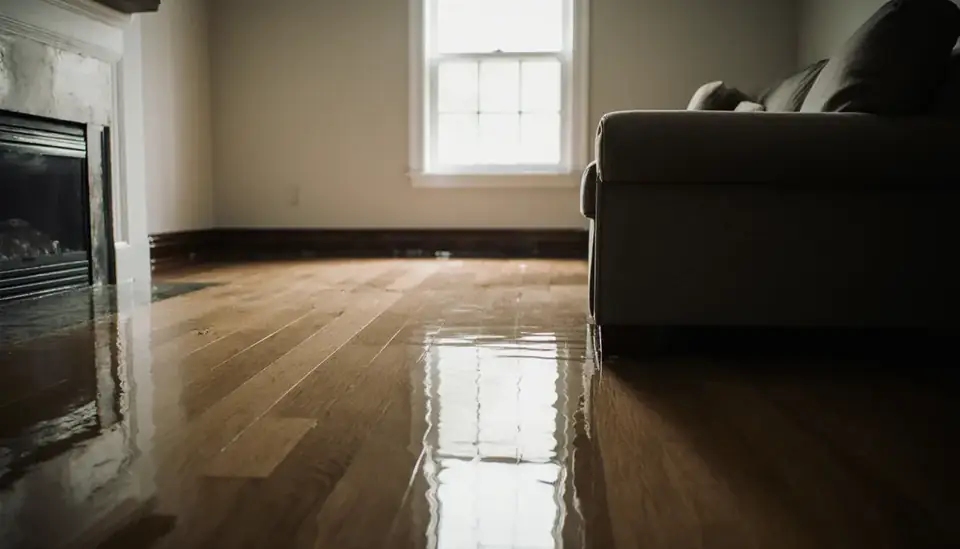
When water does get inside, a provider will generally extract any standing water, remove soaked insulation and finishes, and run structural drying equipment until moisture readings return to normal. Ask for the readings in writing. They help with insurance and show that framing was dry before anything was closed up.
Old Town Houses and Harbour Pointe Subdivisions
Mukilteo's housing splits roughly by geography. Old Town at the north end is a historic district, and older homes there may have aging plumbing, original drains and foundations built before current drainage practices. Harbour Pointe, the city's largest neighborhood at about 2,341 acres, and areas like Chennault Beach and Olympus Terrace fill the plateau to the south with more recent housing.
- Older homes: corroded supply lines, failing drain lines and roof flashing that lets wind-driven rain in.
- Newer homes and condos: failed fittings on plastic supply lines, upstairs laundry overflows and leaks that spread between attached units.
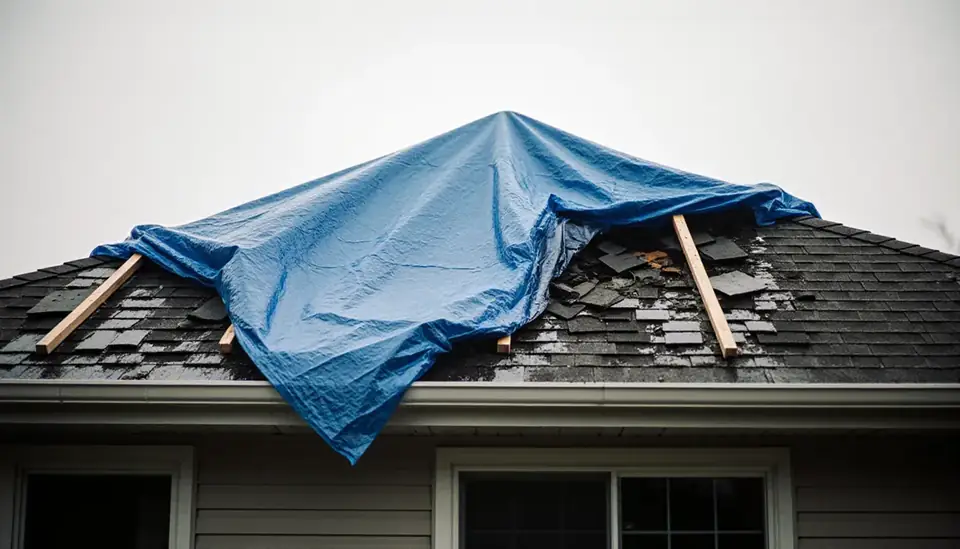
For wind and rain damage to roofs and siding, storm damage cleanup usually starts with temporary protection such as tarping, followed by drying out whatever got wet inside.
Salt Air, Cool Winters and Mold
Marine air off Possession Sound keeps humidity high through the long wet season, and indoor spaces near exterior walls stay cool. Those conditions let moisture linger after a leak, and mold can begin growing on wet drywall and wood in a matter of days. Watch for musty odors in lower levels and crawl spaces, and do not seal up a wall cavity until it has been confirmed dry. Growth covering more than a small patch, or returning after cleaning, is a sign the moisture source has not been fixed.
Before You Call: A Quick Mukilteo Checklist
Stop the water at the main or fixture valve, and stay away from any slope where you see fresh cracking or slumping. Photograph the damage, call your insurer, and remember that earth movement and outside surface water are commonly excluded from standard homeowners policies. Register for SnoCoAlerts through Snohomish County for weather and emergency notices, then call (888) 317-9980 to reach a restoration provider. Residents just over the line in Everett deal with the same bluffs and ravines draining to Port Gardner Bay.
Where Callers in the Mukilteo Area Are
Calls come in from across Mukilteo, including:
- Old Town
- Harbour Pointe
- Chennault Beach
- Olympus Terrace
The same line also serves nearby communities such as:
- Everett
- Edmonds
- Lynnwood
- Picnic Point
- Mill Creek
Questions From Mukilteo Property Owners
Do landslides near the bluffs affect homes in Mukilteo?
The bluffs and gulches here are prone to slides in wet winters, and the rail line below has been closed many times for that reason. Properties near a ravine or bluff edge should watch for warning signs such as ground cracks and new seeps. Washington DNR offers landslide maps and homeowner guidance.
Is seepage from a hillside covered by homeowners insurance?
Often not. Groundwater, surface water and earth movement are commonly excluded from standard homeowners policies, while sudden internal failures like a burst pipe are usually covered. Coverage varies, so read your policy closely, document the damage with photos, and talk with your agent before committing to repairs beyond emergency drying.
How long does drying take after a leak in a Mukilteo home?
It depends on how much water there was, what got wet and how long it sat. With dehumidifiers and air movers running, many rooms dry within several days, but saturated subfloor, hardwood or crawl spaces can take longer in the cool, damp months. Daily moisture readings tell you when materials are actually dry rather than just dry to the touch.