
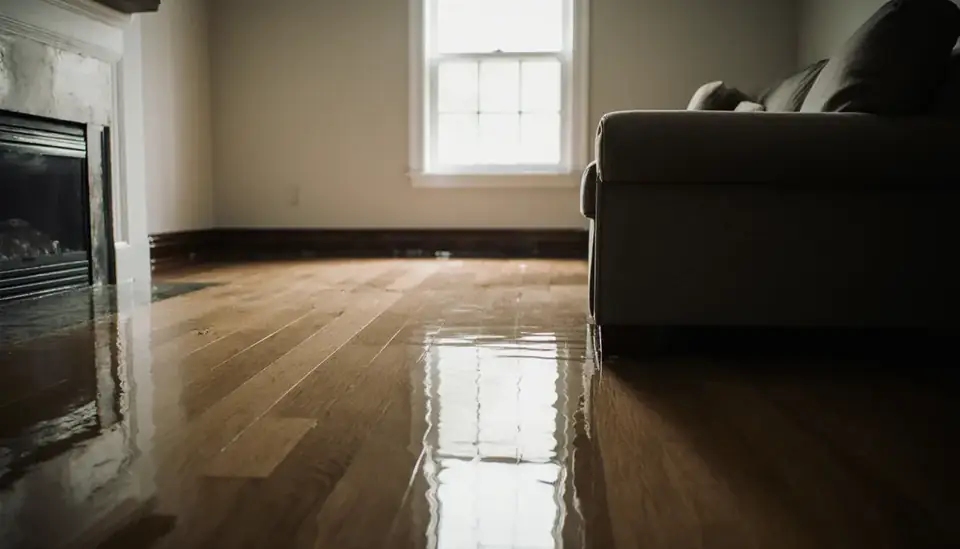
Kenmore wraps around the north tip of Lake Washington where the Sammamish River empties into it, and its average elevation is only about 39 feet. Seaplanes come and go from Kenmore Air Harbor on the waterfront, State Route 522 carries traffic through the downtown, and the neighborhoods climb from the shoreline into rolling hills of glacial till. Much of the housing went up after World War II, with areas such as Inglewood and Uplake Terrace laid out in 1953 and Arrowhead dating back to 1888.
Through The Restoration Job, one free call to (888) 317-9980 connects you with an independent restoration company that works on the north shore. Calls are taken at any hour, including weekends. The provider you reach does the assessment and the work and agrees on terms with you directly.
How the call works: when you call (888) 317-9980, The Restoration Job connects you with an independent restoration provider that serves Kenmore. That provider inspects the damage, explains the scope and quotes the work. The Restoration Job doesn't perform restoration itself. Read our referral disclosure.
Where the Sammamish Meets Lake Washington
Lake Washington's level has been managed since the Lake Washington Ship Canal opened in 1916 and dropped the lake about nine feet. The Sammamish River, which flows past Redmond, Woodinville and Bothell before reaching Kenmore, was later channelized and deepened by the Army Corps of Engineers starting in 1962. Those changes tamed much of the old seasonal flooding, but the low ground along the river mouth and the lakeshore is still where water collects first during long storms.
Swamp Creek cuts through the northeast corner of the city and carries runoff from more than 22 square miles upstream. When heavy rain lands on that watershed, the creek rises quickly and nearby yards and crawl spaces can take on water.
Glacial Till Hillsides and Seepage Into Lower Levels
The hills above the lake are made of compact glacial till, which drains slowly. On a hillside lot, rain that cannot soak in moves downslope along the surface or just under it, and it finds the uphill wall of a daylight basement or the edge of a crawl space. Common results in Kenmore houses include:
- Seepage at the joint between basement floor and wall after several days of rain
- Standing water in crawl spaces that soaks insulation and the vapor barrier
- Clogged gutters and downspouts dumping water against foundations
- Retaining walls and driveways that send runoff toward the house
Postwar Plumbing and Everyday Leaks
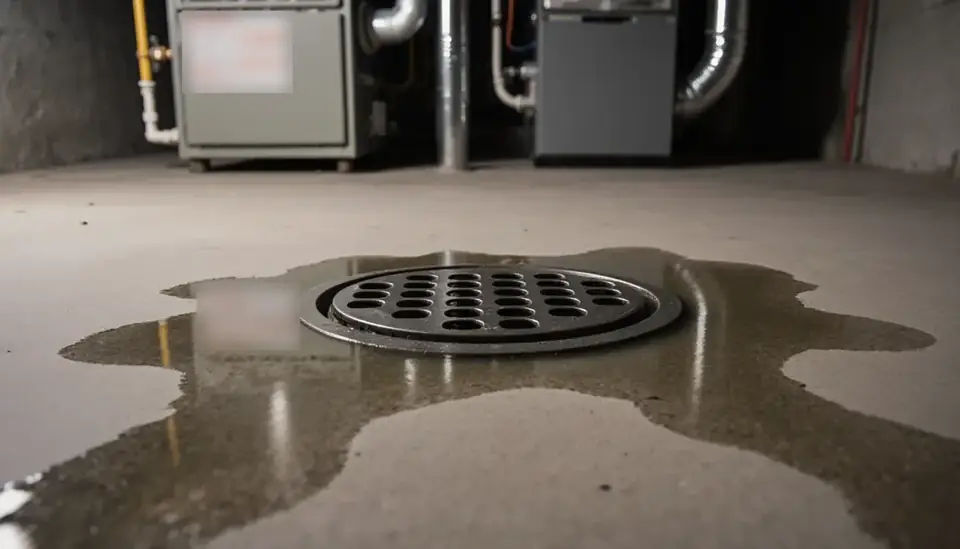
Many of the city's postwar homes have been remodeled more than once, and the plumbing can be a patchwork of original galvanized pipe, copper and newer plastic lines. Older galvanized lines corrode from the inside, and fittings at transitions are common leak points. Add water heaters, dishwashers, toilet supply lines and washing machine hoses, and most water calls start indoors rather than at the lake. A slow leak inside a wall may only show as peeling paint, a stained ceiling or a warped floor, so investigate those signs before the damage spreads. A water damage restoration provider can locate wet areas with moisture meters and thermal imaging without opening every wall.
Drying a Lakeside House in a Wet Winter
Lakefront and lowland homes sit in some of the dampest air in the region from fall through spring, and wet drywall, hardwood and insulation do not dry on their own in that environment. Mold growth on damp materials can begin within days. Restoration crews typically extract standing water, remove carpet pad and materials that cannot be dried, and then run dehumidifiers and air movers with daily moisture checks. For older leaks that have already produced growth or musty smells, mold remediation involves containment and removal of affected material, followed by correcting the moisture source so it does not return.
Sewer Backups and Storm-Season Precautions
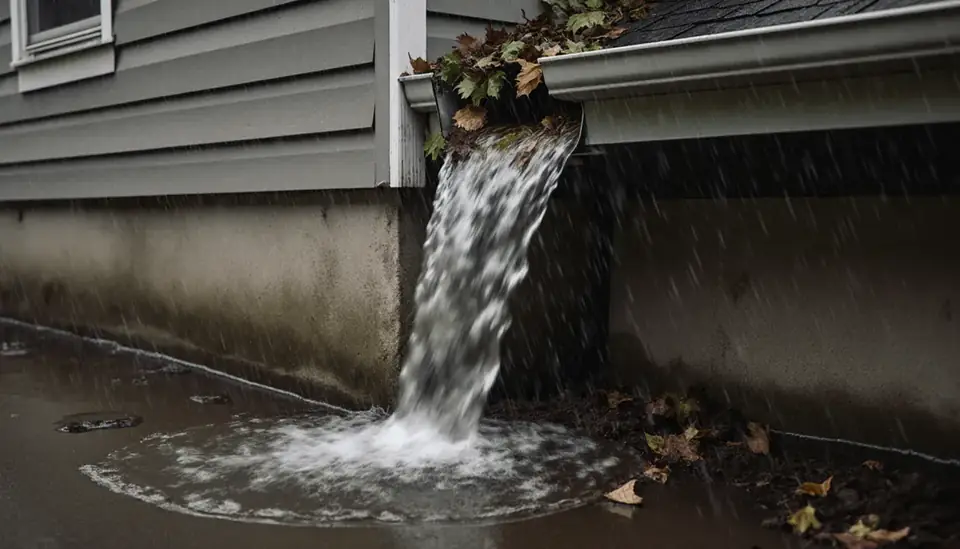
Heavy rain can overload drainage and side sewers, and a basement floor drain or lower-level toilet is where a backup shows up first. Sewage-contaminated water should not be cleaned up with household tools; porous materials it touches are usually discarded, and the area is cleaned and disinfected before drying. A provider offering sewage cleanup handles that work with protective equipment. Before the wet season, clean gutters, check that yard drains are clear, and consider a backwater valve if your lower level has drains below street level. Upstream along the river, Bothell residents deal with similar creek and valley conditions.
Neighborhoods and Nearby Communities
Calls come in from across Kenmore, including:
- Arrowhead
- Inglewood
- Moorlands
- Uplake Terrace
- Linwood Heights
- Downtown Kenmore
The same line also serves nearby communities such as:
Common Questions
Can Lake Washington flood my Kenmore home?
Lake Washington's level is controlled through the Ship Canal and locks, so large swings like river floods are not typical. The more common problems along Kenmore's shoreline and river mouth are saturated ground, high groundwater in crawl spaces and drainage that backs up during long storms. FEMA's flood maps show whether your parcel is in a mapped flood zone.
Why is my basement wet after rain when the house is up on a hill?
The hills around Kenmore are glacial till, which drains poorly. Rainwater travels across or just under the surface and pushes against uphill foundation walls, then seeps in at joints and cracks. A restoration provider can remove water and dry the space; improving gutters, grading or drainage around the house is the long-term fix.
What should I do while waiting for a provider to arrive?
Stop the water source, shut off power to affected rooms if you can safely reach the panel, and photograph the damage. Move valuables, rugs and electronics to a dry area. Call your insurance company to open a claim. Avoid entering rooms where the ceiling is sagging, and keep children and pets away from any water that may involve sewage.