

Coal brought people to Newcastle. It was discovered here in 1863, the town was founded in 1869, and the mines produced more than 13 million tons before closing in 1963. The community that incorporated in 1994 looks very different: view homes climbing the slopes of Cougar Mountain between Bellevue and Renton, a 36-hole golf club, and neighborhoods such as China Creek, Hazelwood, The Highlands and Lake Boren. Coal Creek still drains the hills from the Issaquah Alps down to Lake Washington.
On a hillside city, water damage usually means runoff, roof leaks and plumbing failures rather than a river flood. Call The Restoration Job at (888) 317-9980 for a free referral at any hour. You will be connected with an independent restoration provider that serves Newcastle, and you will work out the inspection and repairs with that provider.
How the call works: when you call (888) 317-9980, The Restoration Job connects you with an independent restoration provider that serves Newcastle. That provider inspects the damage, explains the scope and quotes the work. The Restoration Job doesn't perform restoration itself. Read our referral disclosure.
Cougar Mountain Slopes and Coal Creek Runoff
Newcastle sits on hilly ground that falls from Cougar Mountain toward Lake Washington, at an average elevation near 380 feet. Coal Creek carries water from the Issaquah Alps through the area to the lake, and during long winter storms it and the smaller drainages around it rise fast. On steep lots, rain that cannot soak in moves downhill across yards and driveways. That is how water ends up against the uphill wall of a daylight basement, inside a window well, or across a garage floor.
Homes near the bottom of a slope or close to a drainage channel are more likely to see standing water in crawl spaces and lower levels. Keeping catch basins, gutters and yard drains clear before October helps more than most people expect.
View Homes, Multi-Level Floor Plans and Where Leaks Hide
Houses built to capture views of Seattle, Bellevue and the Olympics often have multiple levels, large windows, decks over living space and complicated rooflines. Each of those features creates places for water to get in:
- Deck membranes and flashing above finished rooms below
- Large window assemblies that let wind-driven rain past seals
- Roof valleys and transitions between roof sections
- Upper-floor bathrooms and laundry rooms leaking into ceilings below
Because water travels along framing before it shows, a stain on a lower-level ceiling may be several feet from the actual source. Moisture meters and thermal cameras help a water damage restoration provider trace it.

Lake Boren to Lake Washington: Lowland Pockets
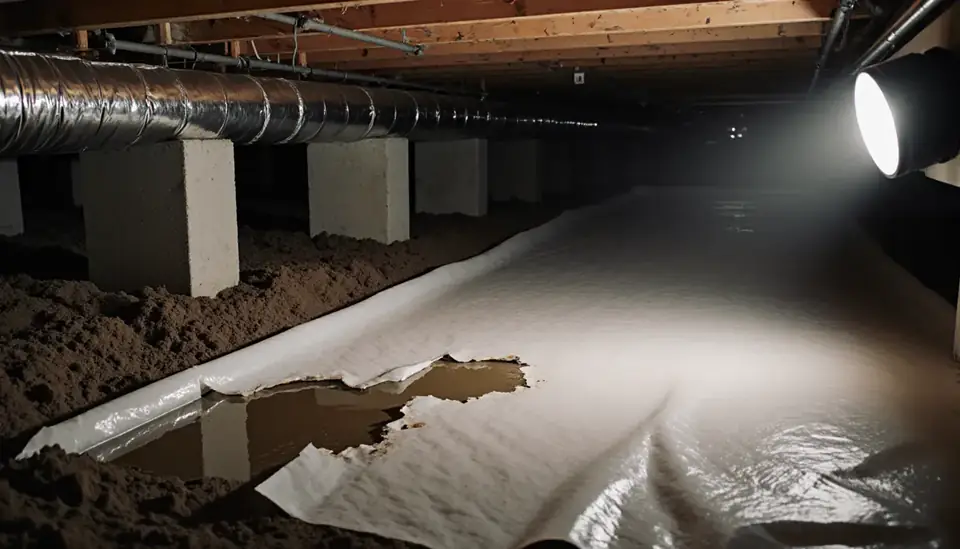
Not all of Newcastle is on the hill. Ground around Lake Boren and the lower drainages can hold more moisture in the soil through winter, and groundwater can push into crawl spaces and below-grade rooms during wet stretches. A sump pump that fails during a power outage is a common way a lower level floods quickly. If you rely on a sump, test it before storm season and consider a battery backup. When water does get in, prompt water extraction and drying keep the damage from spreading into walls and flooring.
Mold After a Slow Leak in a Damp Climate
The cool, humid stretch from fall to spring keeps materials from drying on their own. A leak that soaks drywall, carpet, subfloor or crawl-space insulation can support mold within days, and slow leaks behind walls or under decks can go unnoticed for months. If you notice a musty smell, peeling paint or dark spots on drywall, have it checked. Mold remediation typically involves sealing off the affected area, removing contaminated material, cleaning and drying, and correcting the moisture problem so growth does not return.
Windstorms, Power Outages and Frozen Pipes
King County's emergency preparedness pages list winter storms and utility outages among the region's hazards, and both affect Newcastle's hillside neighborhoods. Wind can drop trees or limbs on roofs, while a long outage in a cold snap stops heating and lets exposed pipes freeze. When temperatures drop, insulate hose bibs, open cabinet doors on exterior walls, and know where your main shutoff valve is. If a pipe does split, shut off the water, photograph the damage and call your insurer before major cleanup begins.
Neighborhoods and Nearby Communities
Calls come in from across Newcastle, including:
- China Creek
- Hazelwood
- The Highlands
- Lake Boren
The same line also serves nearby communities such as:
Newcastle Water Damage Questions
Is Newcastle at risk of river flooding?
Newcastle has no major river running through it. Its water risks come mainly from hillside runoff, Coal Creek and smaller drainages rising during heavy rain, and plumbing or roof failures. Some low areas can still hold water, so check FEMA's Flood Map Service Center for your address to see whether any part of your property is in a mapped flood zone.
Water is coming in through my daylight basement wall. Who should I call?
For the immediate problem, a restoration provider can extract water, remove wet materials that cannot be saved and dry the space. The cause, often runoff from the uphill side, clogged drains or grading, usually needs a drainage or waterproofing contractor. Photograph the damage and notify your insurer, since coverage depends on how the water got in.
How does the free referral work?
You call the line, explain what happened and give your location. The call is connected to an independent restoration company that serves Newcastle and the surrounding Eastside. That company handles its own scheduling, estimate and work agreement with you. Neither the work nor the pricing comes from The Restoration Job.