
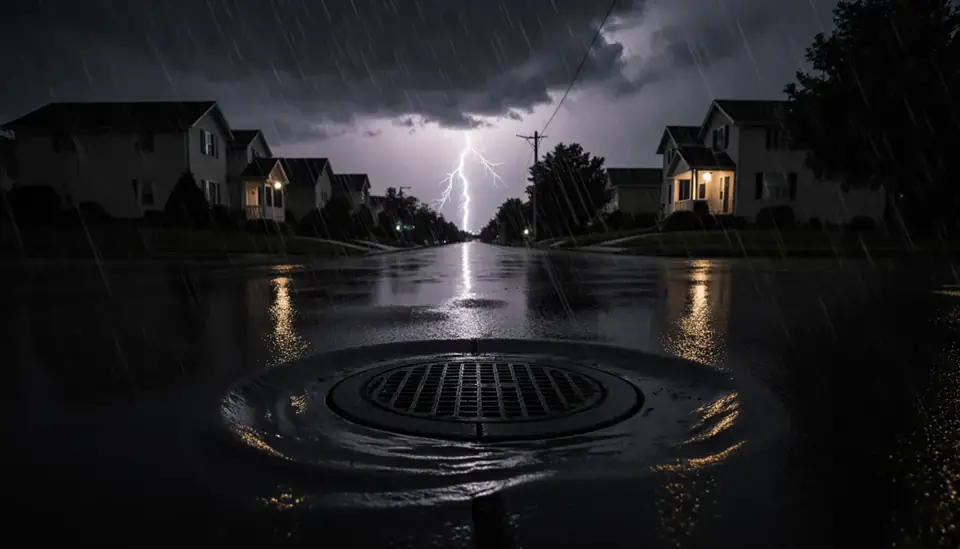
Redmond's downtown sits just north of Lake Sammamish, at an elevation of only about 52 feet, with the Sammamish River running north out of the lake along the downtown's western edge. Residential areas spread up onto Education Hill and across the higher ground to the north and west, and Overlake, the city's second urban center, lies west of the lake. Low valley land, rising hills and a lot of newer pavement in between give Redmond a mix of drainage problems that show up differently from one part of town to the next.
Referrals through The Restoration Job are free to Eastside callers. When you call (888) 317-9980, at any hour, we will connect you with an independent restoration provider serving Redmond and the surrounding Eastside. The provider takes it from there, inspecting the property and working out the job with you.
How the call works: when you call (888) 317-9980, The Restoration Job connects you with an independent restoration provider that serves Redmond. That provider inspects the damage, explains the scope and quotes the work. The Restoration Job doesn't perform restoration itself. Read our referral disclosure.
Eleven Billion Gallons and Where It Goes
The city estimates that about 11 billion gallons of rain fall on Redmond in a typical year. As fields and forest have given way to buildings and parking lots, less of that water soaks in and more of it runs off. Public Works maintains roughly 202 miles of storm pipe, nearly 12,000 catch basins, 156 bioswales and 89 ponds to move and filter it before it reaches the Sammamish River, Lake Sammamish and local streams.
At the scale of a single house, the same principle applies. Gutters, downspouts, yard drains and the grading around a foundation decide whether rain goes away from the building or into it. A blocked catch basin at the end of a driveway or a downspout that drains against a basement wall can put water inside during a long November storm. Keeping street drains clear of leaves, as the city asks residents to do, also keeps water off your property.
Flood Zones Along the Sammamish River and the Lake
The city notes that residents near streams, rivers and lakes face flood risk, and it uses FEMA flood maps to identify those areas. Residents can check a property in the City Property Viewer or King County's mapping tools, or look up an address on FEMA's Flood Map Service Center. Properties on the low ground near the river and the north end of the lake are the ones to check first.
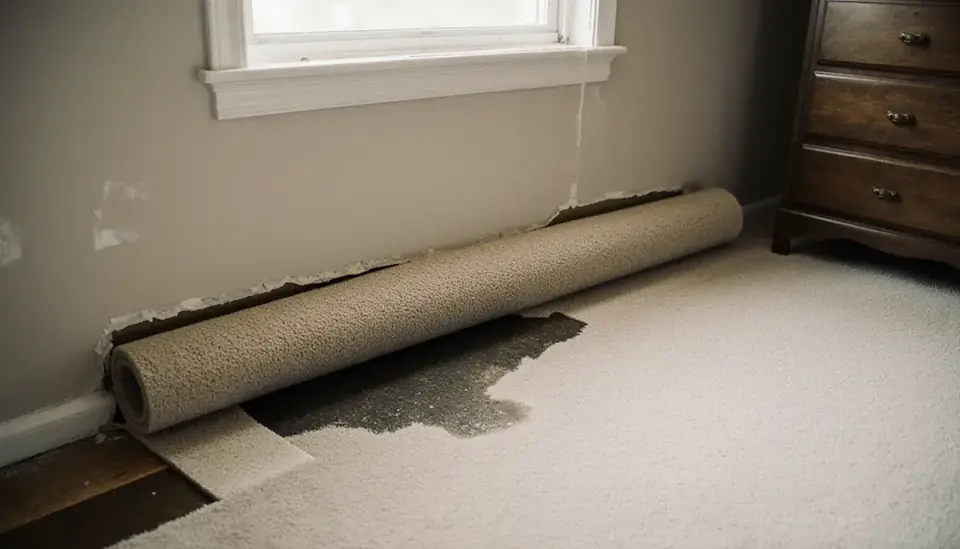
If water does come in from outside, it should be treated as contaminated. Flood cleanup after overland water usually means removing wet drywall, insulation and carpet that it touched, then cleaning and drying the framing. Standard homeowners policies typically exclude this kind of flooding, which is why separate flood coverage matters for properties near mapped zones.
Shared Walls in Redmond's Two Urban Centers
Downtown and Overlake are the city's urban centers, where much of the housing shares walls, floors and plumbing. In apartments, condos and townhomes, the most common water losses are internal: washing machine and dishwasher hoses, fridge lines, toilet supply lines and sprinkler heads. Water in a multistory building moves down through ceilings and along framing, so one failure can wet several homes.
- Find the unit shutoff valve now and confirm it works.
- Report leaks to the property manager immediately, in writing.
- Photograph damage in your unit and the units around it.
- Ask the provider for moisture readings in walls, not only on visible stains.
Prompt water extraction limits how far water travels through shared floors.
Cold Snaps, Damp Months and Mold
Redmond gets around 36 inches of precipitation a year, with November usually the wettest month. Winters are typically mild, but the city has recorded a low of minus 7 degrees Fahrenheit in January 1950, and hard freezes can split pipes in crawl spaces and garages. In the damp season, wet materials dry slowly unless dehumidifiers and air movers run around the clock. Mold often begins out of sight under flooring or behind baseboards, so ask the provider to verify dryness with a meter before closing walls. Visible growth is a job for mold remediation with containment, after the water source is fixed.
Where Callers in the Redmond Area Are
Calls come in from across Redmond, including:
- Downtown Redmond
- Education Hill
- Overlake
The same line also serves nearby communities such as:
- Kirkland
- Bellevue
- Sammamish
- Woodinville
- Union Hill-Novelty Hill
- Cottage Lake
Frequently Asked Questions
How can I tell if my Redmond property is in a flood zone?
The city points residents to its City Property Viewer and to King County's mapping tools, both of which show mapped flood areas, and FEMA's Flood Map Service Center lets you look up an address directly. Properties near the Sammamish River, Lake Sammamish and local streams are the most likely to be affected. Even outside mapped zones, heavy rain and runoff can still put water in a basement.
Water is pooling against my foundation every time it rains. What should I check?
Start with gutters and downspouts: make sure they are clear and discharge several feet from the house. Look at the grading, which should slope away from the walls, and check that nearby catch basins and yard drains are not blocked by leaves. If water has already reached the basement or crawl space, remove it promptly and dry the area mechanically to avoid mold.
Who pays when an upstairs unit leaks into mine?
That depends on where the leak started, the lease or association documents and the insurance policies involved. Generally the building owner or association handles the structure and common elements, while your own renters or unit-owner policy covers your belongings and interior finishes. Report the leak in writing, document everything and share the provider's moisture records with all parties.