
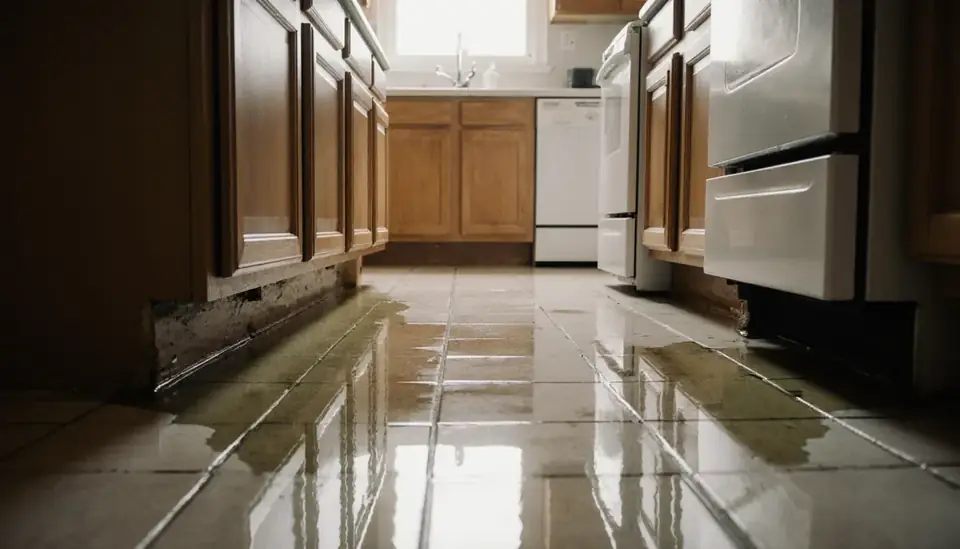
Up on the plateau locals call North Hill, Edgewood sits at roughly 387 feet, well above the Puyallup River valley where Fife and Sumner deal with river and tideflat flooding. Height does not keep a house dry, though. Most water damage in Edgewood comes from above or from inside: roofs and gutters overwhelmed by long winter rains, trees brought down by windstorms, frozen or failed plumbing, and stormwater running off driveways and slopes toward foundations.
For North Hill homeowners, The Restoration Job works as a no-cost phone referral rather than a contractor. Dial (888) 317-9980 at any hour and we'll connect you with an independent provider that serves Edgewood and the rest of North Hill. The provider assesses the damage, writes its own estimate and handles the work with you directly.
How the call works: when you call (888) 317-9980, The Restoration Job connects you with an independent restoration provider that serves Edgewood. That provider inspects the damage, explains the scope and quotes the work. The Restoration Job doesn't perform restoration itself. Read our referral disclosure.
A Young City on an Old Interurban Route
Edgewood incorporated only in February 1996, but people have lived on this hill for a long time. The first run of the Tacoma-to-Seattle interurban line came through in October 1902 The population has since climbed from about 9,100 in 2000 to more than 12,300 in 2020, so newer construction now sits alongside older homes.
That mix matters when water gets in. An older house may have galvanized or aging supply lines, original windows and a crawl space that has never had its vapor barrier replaced. A newer house is more likely to have plastic supply lines, a water heater in the garage and an upstairs laundry, where a failed hose can soak a ceiling and the room below before anyone notices.
Winter Rain, Wind and Falling Trees
The Tacoma area averages about 41 inches of precipitation a year, and November and December each bring more than six inches. Rain that falls for days at a time finds every weak flashing, cracked vent boot and clogged gutter. Wind adds another layer. During the Hanukkah Eve windstorm of December 2006, about 1.2 million customers in Washington lost power, and falling trees struck motorists in Pierce County. Where tall trees stand close to houses, a tree through a roof during a winter storm can let in hours of rain before a tarp goes up.
After a tree or wind loss, photograph the roof and interior, keep receipts for emergency tarping, and move belongings away from wet ceilings. A provider that handles storm damage cleanup can dry out the interior while a roofer handles the permanent repair.

Runoff on a Hillside Lot
Pierce County describes urban flooding as what happens when stormwater systems are overwhelmed in heavy rain or water collects in low spots. On sloped lots, the same thing happens on a small scale: water from the street, a neighbor's yard or your own roof runs toward the low side of the house and into a crawl space or daylight basement. Check that downspouts discharge well away from the foundation, that yard drains are clear before the rainy season, and that soil slopes away from the walls.
If stormwater has collected in a crawl space, it should be pumped out and the insulation and vapor barrier checked, since wet fiberglass insulation sagging between joists holds moisture against the subfloor.
Drying, Repair and Mold Prevention
Most losses in Edgewood involve clean or lightly contaminated water from a pipe, appliance or roof, which means a good share of materials can often be dried rather than replaced if work starts quickly. A typical job includes:
- Stopping the source and removing standing water.
- Moisture mapping walls, ceilings, subfloors and cabinets.
- Removing materials that cannot be saved, such as swollen particleboard or wet carpet pad.
- Running dehumidifiers and air movers until readings return to normal.
- Water damage repair of drywall, trim and flooring once everything is dry.
Mold is the reason not to wait. In a mild, damp climate, mold can begin growing on wet drywall and wood within a day or two, and a slow leak inside a wall can go unnoticed through a whole rainy season. Musty smells, bubbling paint and dark spotting near baseboards are signs to have moisture checked.
Areas In and Around Edgewood
The same line also serves nearby communities such as:
Frequently Asked Questions
Edgewood is on a hill. Do I need flood insurance?
Much of Edgewood sits far above the river floodplain, so river flooding is unlikely for most homes. Flood insurance can still be worth considering for houses near low spots or drainage channels, and standard homeowners policies exclude flooding of any kind. Pierce County offers free property flood risk maps, which can tell you more about your specific lot before you decide.
A tree fell on my Edgewood house during a windstorm. Who do I call first?
If anyone is hurt or lines are down, call 911 and stay clear. Then contact your insurer and arrange emergency tarping to stop rain from getting in. Interior drying should start as soon as the opening is covered. Photograph the tree, the roof and every wet room before cleanup, and keep receipts for emergency work, since policies usually expect you to limit further damage.
How do I know if a slow leak has caused hidden damage?
Watch for stains that grow, paint or wallpaper lifting, soft spots in flooring, a musty smell in one room, or a water bill higher than usual. A restoration provider can use moisture meters and thermal imaging to check walls and subfloors without opening them up first. In a damp Puget Sound winter, a hidden leak can stay wet for months.