
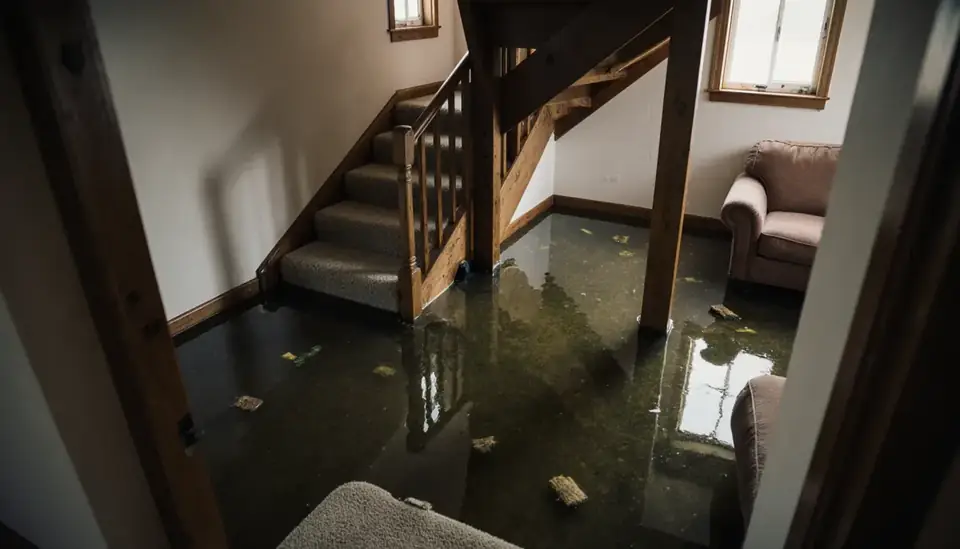
The Puyallup River starts at the Puyallup and Tahoma glaciers on Mount Rainier and runs 45 miles to Commencement Bay, and the city that shares its name sits right in its path, about 10 miles southeast of Tacoma. Downtown, with its antique shops along Meridian and the library at Pioneer Park, is part of a valley built on the deposits of the Osceola Mudflow from roughly 5,600 years ago. The river gauge in town has a record going back more than a century, and its highest crest, 34.15 feet, came on December 18, 1917.
Our service costs nothing to use: it is a phone line, answered day and night, that links valley residents with outside restoration companies. Call (888) 317-9980 and we'll put you in touch with an independent restoration provider that serves Puyallup and the surrounding valley. You arrange the inspection, estimate and work directly with that provider.
How the call works: when you call (888) 317-9980, The Restoration Job connects you with an independent restoration provider that serves Puyallup. That provider inspects the damage, explains the scope and quotes the work. The Restoration Job doesn't perform restoration itself. Read our referral disclosure.
Reading the Puyallup River Gauge Like a Homeowner
The National Weather Service gauge on the Puyallup River at Puyallup is the number to watch during an atmospheric river. Its flood categories begin at 24 feet for action stage and 26.2 feet for minor flooding, when low-lying areas flood from near the Meridian bridge upstream to the east end of Sumner. At 30 feet, flooding spreads along the lower reaches from Sumner downstream. At 31 feet, the major stage, the forecast impact reads that swift water will overtop levees and flood much of the Puyallup Valley.
Those numbers are not hypothetical. The river reached 29.77 feet on February 9, 1996, and most recently crested at 26.33 feet on December 9, 2025, just past minor flood stage. Pierce County notes that river floods here usually build when a storm parks over Mount Rainier for several days, which often gives valley residents a few days of warning to move belongings and vehicles to higher ground.
Valley Floor Versus the Hillsides
Puyallup has two very different kinds of property. On the valley floor, the main concerns are river and creek flooding, high groundwater after weeks of rain, and storm drains that cannot keep up. The town grew around Ezra Meeker's 1877 townsite and the hop boom of the 1880s, so some of the city's oldest blocks are on that low ground, and older houses with crawl spaces or partial basements there deserve a close look after any prolonged rain.
Up on the hillsides and toward South Hill, river flooding is not the issue, but runoff is. Water from a heavy storm can run down driveways toward garages and daylight basements, and newer subdivisions see more appliance and plumbing failures than seepage. Knowing which side of that line your house sits on helps you decide whether flood insurance or better gutters and grading should come first.

Cleaning Up After River or Creek Water Gets Inside
River water that enters a home is treated as contaminated because it carries silt, farm runoff and sewage. The cleanup is more involved than drying a clean pipe leak:
- Wait for officials to allow re-entry and have the power checked before walking into wet rooms.
- Photograph the waterline, every room and damaged contents before removing anything.
- Expect drywall and insulation to be cut out above the high-water mark and carpet and pad to be discarded.
- Mud is shoveled and washed out, then framing is cleaned and disinfected.
- Only then does drying equipment go in, with daily moisture readings.
A provider experienced in flood cleanup will document each step, which helps with National Flood Insurance Program or private flood claims. Contact your insurer early, because adjusters get busy after a valley-wide event.
Keeping Mold in Check Through a Wet Valley Winter
Floods and heavy rain arrive here in late fall and winter, when outdoor air is cool and damp and nothing dries quickly on its own. Crawl spaces on the valley floor can stay wet for weeks after a flood, and that is where mold tends to start, on joists, subfloor and the paper facing of insulation. Removing soaked materials promptly and drying the structure thoroughly before rebuilding is the most effective prevention. If growth has spread, professional mold remediation is the safer route.

Lahar Sirens Are Not Flood Sirens
Downtown Puyallup and nearby neighborhoods lie in the Mount Rainier lahar hazard zone, and the warning system installed in 1998 includes sirens and evacuation route signs. Those sirens are for volcanic mudflows, not ordinary river floods. For flood warnings, sign up for Pierce County's PCALERT notifications and watch NWS Seattle flood watches. Pierce County takes flooding reports 24/7 at (253) 798-6000 and offers free property flood risk maps. Neighboring Sumner sits on the same river system and shares many of these risks.
Where Callers in the Puyallup Area Are
The same line also serves nearby communities such as:
Questions From Puyallup Property Owners
What does minor flood stage on the Puyallup River mean for my street?
At 26.2 feet on the gauge at Puyallup, the National Weather Service expects low-lying areas to flood from near the Meridian bridge upstream to Sumner's east end. That usually means fields, low roads and properties close to the river, not the whole valley. Higher stages spread water farther. Check the gauge forecast on the NOAA water prediction site when an atmospheric river is approaching.
Do I need flood insurance if I live on South Hill?
River flooding is unlikely on higher ground well above the valley. Your homeowners policy still excludes outside flood water, though, and heavy runoff can push water into garages and basements. Many South Hill households decide flood coverage is not a priority, while homes on the valley floor near the river have much stronger reasons to carry it. Pierce County notes you can buy flood insurance outside a mapped floodplain.
How long does it take to dry a flooded valley-floor crawl space?
It varies with how much water came in and how wet the ground stays. Once mud and standing water are removed, drying the framing and subfloor often takes several days of dehumidification, and longer if groundwater stays high. A provider should take moisture readings throughout and confirm the wood is dry before new insulation and vapor barrier go in.
Who do I call if the river is rising toward my home?
If you are in danger, call 911 and follow evacuation orders. Pierce County takes flood reports around the clock at (253) 798-6000 and sends PCALERT notifications. Move vehicles, documents and valuables to higher ground early, since river floods here usually give a few days of warning. Once it is safe to return, call (888) 317-9980 to reach an independent cleanup provider.