
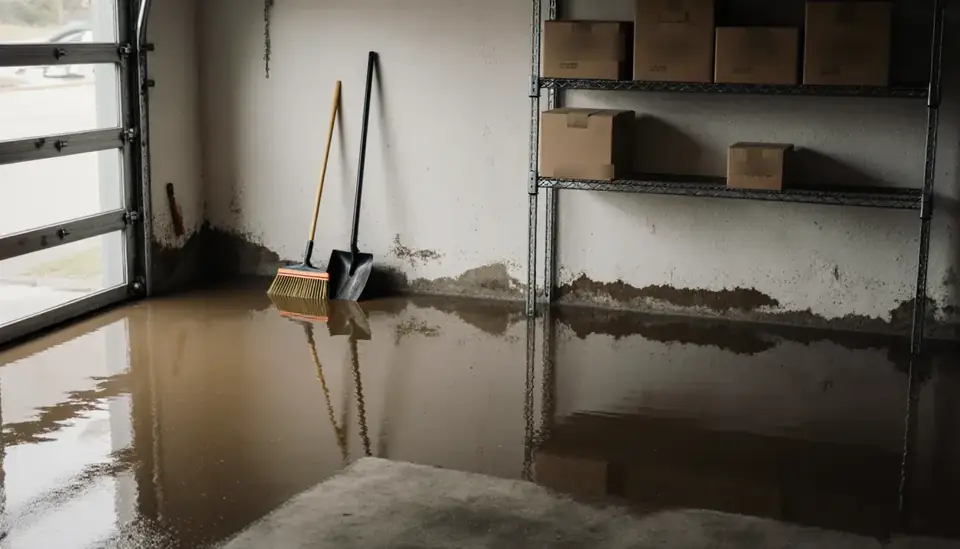
Two glacier-fed rivers frame Orting. The Puyallup runs along one side of the valley and the Carbon along the other, and they meet at the edge of town, so the city of about 9,000 people sits on the floodplain between them at roughly 190 feet. Both rivers start on the slopes of Mount Rainier and carry heavy loads of silt and gravel, which keeps their channels shifting and makes them quick to rise in a long winter storm.
Rather than sending out crews, The Restoration Job runs a free referral line for the valley, open around the clock at (888) 317-9980, and we'll connect you with an independent provider that serves Orting and the upper Puyallup valley. That company inspects the damage, quotes the job and works with you directly.
How the call works: when you call (888) 317-9980, The Restoration Job connects you with an independent restoration provider that serves Orting. That provider inspects the damage, explains the scope and quotes the work. The Restoration Job doesn't perform restoration itself. Read our referral disclosure.
Life Between the Carbon and the Puyallup
The Carbon River flows about 30 miles from the Carbon Glacier on Rainier's north side to its mouth at Orting. Its sediment load leaves it braided, meandering and prone to flooding; a 2006 flood rearranged its channels upstream and washed out part of the Carbon River Road into the national park. Pierce County explains that its big river floods happen when a storm stalls over Mount Rainier and rains for several days, and it counts five floods in the 1990s and two more in the 2000s that led to presidential disaster declarations.
The good news is that river floods rarely arrive without notice. The county says residents usually get a few days of warning, which is enough time to move vehicles, papers, medications and valuables to higher ground and to shut off utilities if officials advise it.
Lahar Sirens Are Not Flood Warnings
Orting has been called the city most at risk from a Mount Rainier lahar. The town is built on layers of old lahar deposits, scientists estimate a lahar could reach it in about half an hour, and sirens connected to sensors on the mountain are part of a warning system set up in 1998. Schools hold evacuation drills, and residents are taught the escape routes.
That hazard is different from a winter flood. A lahar siren means evacuate on foot or by the posted route immediately; a river flood watch usually means prepare and monitor. Sign up for Pierce County ALERT so you get both kinds of messages, and keep the two plans separate in your household.

Silt, Sewage and Glacial Floodwater
Water from the Puyallup or Carbon carries fine glacial silt along with whatever it picked up from fields, roads and overwhelmed septic and sewer systems. Treat it as contaminated. Practical steps once officials say it is safe to return:
- Have power shut off before walking into flooded rooms.
- Photograph and video each room, the waterline and damaged items before moving anything.
- Wear boots, gloves and a mask, and keep children and pets out.
- Shovel out silt before it dries and hardens, but leave structural decisions to a professional.
- Report damage to Pierce County and contact your flood insurer early.
Professional flood cleanup usually involves removing drywall and insulation above the waterline, pulling flooring, cleaning and disinfecting framing, and only then drying the structure.
Newer Subdivisions, Older Downtown
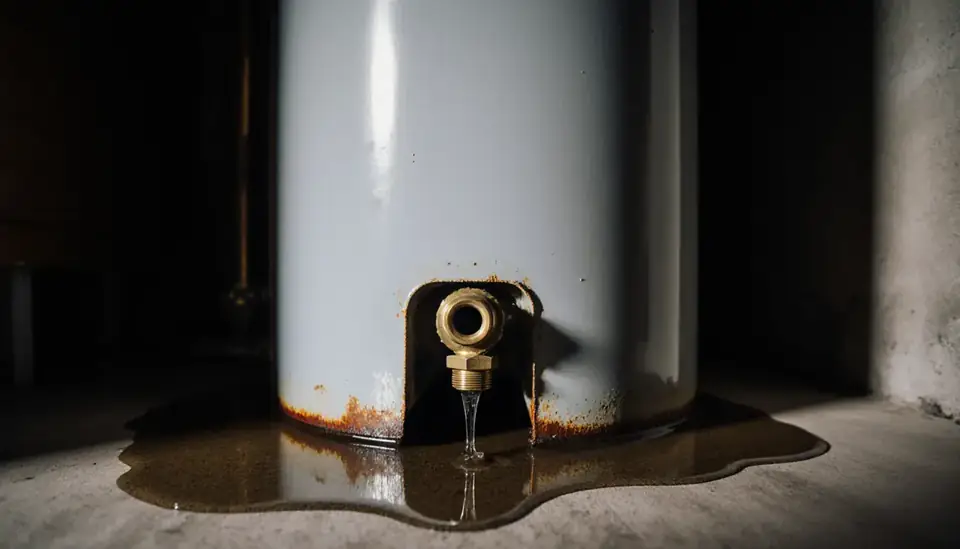
Orting grew from fewer than 1,800 residents in 1980 to more than 9,000 by 2020, mostly through subdivisions built around the historic downtown as the town became a commuter base for Tacoma and Seattle. Those newer homes bring their own water problems unrelated to the rivers: failed washing machine hoses in upstairs laundry rooms, leaking water heaters in garages, and roof valleys that drip during the November and December rains, when the Tacoma area averages more than six inches a month.
In both new and older houses, the crawl space deserves a look after a long rainy stretch. On valley-floor ground, standing water under a house can sit for weeks. A provider that offers structural drying can pump it out, replace wet insulation and vapor barrier, and dry the joists and subfloor.
Why Orting Basements and Crawl Spaces Grow Mold
Cool, damp air and wet ground slow natural drying, so a flooded room or soaked crawl space in Orting can grow mold quickly if it is closed up too soon. Remove porous materials that stayed wet, keep air moving, and wait for moisture readings to show the framing is dry before rebuilding. Visible growth over a large area, or a smell that keeps coming back, is a sign to bring in a professional for assessment and cleanup.
Where Callers in the Orting Area Are
The same line also serves nearby communities such as:
Frequently Asked Questions
How much warning will Orting get before a river flood?
Pierce County says river floods usually come with a few days of notice, because they build from storms that sit over Mount Rainier for several days. Watch for flood watches from the National Weather Service in Seattle, sign up for Pierce County ALERT, and use the warning time to move valuables and vehicles to higher ground. A lahar is different and could reach town in roughly half an hour.
Does homeowners insurance cover flood damage in Orting?
A typical homeowners policy will not pay for river or surface flooding. Coverage comes from a separate flood policy, either through the National Flood Insurance Program or a private insurer, and policies usually have a waiting period before they take effect. A burst pipe or appliance leak is a different kind of loss that homeowners policies often cover, so document the cause carefully.
Is the silt left by a flood dangerous to clean up myself?
River silt itself is mostly fine sediment, but floodwater mixes it with fuel, chemicals and sewage, so treat any deposit as contaminated. Wear gloves, boots and a mask, avoid stirring up dried dust indoors, and discard soaked food and porous items. Large amounts of mud in walls, ductwork or crawl spaces are usually better handled by a cleanup crew with the right equipment.
Can I check my Orting property's flood risk before buying or rebuilding?
Yes. Pierce County offers free property flood risk maps on request and an online floodplain map, and FEMA flood maps are available through the Flood Map Service Center. If you are rebuilding after damage, check with the city about permits and floodplain rules before replacing walls, since heavily damaged buildings in a floodplain can face added requirements.