
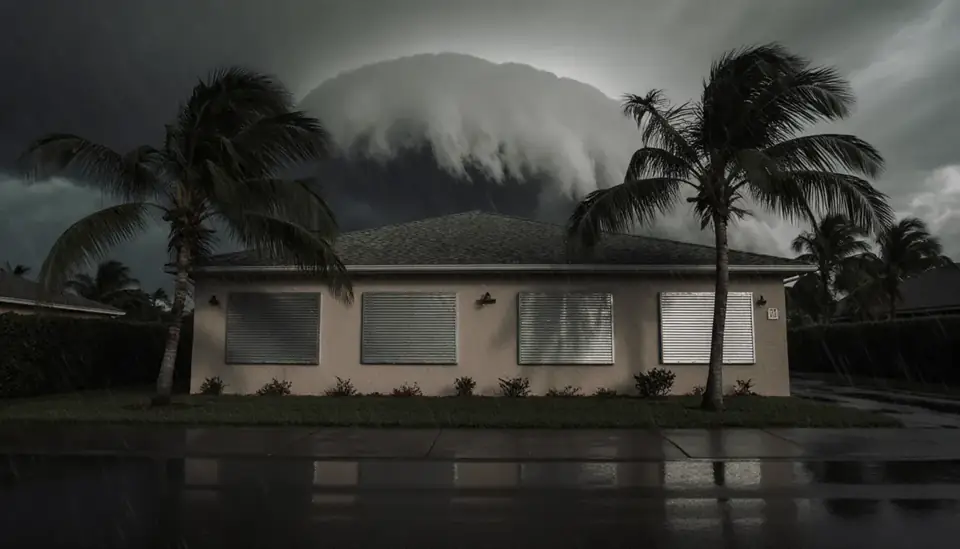
Bremerton wraps around three bodies of salt water: Sinclair Inlet along the shipyard, Dyes Inlet to the northwest, and Port Washington Narrows, the strait that splits the city in two. Rain is the bigger day-to-day problem, though. The city averages close to 57 inches of precipitation a year, most of it falling between November and February, which is far more than Seattle sees across the water. Months of steady rain test roofs, gutters, crawl-space vents and basement walls in a way a single storm rarely does.
The Restoration Job does not do the work itself; it runs a free referral line. Call (888) 317-9980 at any hour and we will connect you with an independent restoration provider that serves Bremerton and the surrounding parts of Kitsap County. That company inspects, quotes and does the work directly with you.
How the call works: when you call (888) 317-9980, The Restoration Job connects you with an independent restoration provider that serves Bremerton. That provider inspects the damage, explains the scope and quotes the work. The Restoration Job doesn't perform restoration itself. Read our referral disclosure.
Fifty-Seven Inches of Rain and a Hillside City
Much of Bremerton sits on slopes that fall toward the inlets, with parts of the city reaching several hundred feet above the shoreline. On a hillside lot, water from the street, the neighbor uphill and your own roof all head the same way, and the low side of the foundation takes it. That is why so many winter calls here involve a crawl space that has been quietly collecting water, or a daylight basement where the uphill wall weeps after a week of rain.
Snow is light, averaging about three inches a year, but the cold snaps that bring it can still split an exposed pipe in a vented crawl space or an unheated garage. The leak usually shows up when the thaw arrives, not during the freeze.
Manette, Charleston and Other Older Neighborhoods
Bremerton grew up beside Puget Sound Naval Shipyard, which opened the same year the town was founded in 1891. Charleston was a separate city until Bremerton absorbed it in 1927, and Manette, across the Narrows, has been tied to downtown by a bridge since 1930. Homes in these older areas often have original or patched plumbing, multiple rounds of remodeling and roof layers that hide earlier repairs. When water gets into a house like this, it tends to travel along old framing and between floors before it shows.
- Look up as well as down: a stain on a first-floor ceiling can trace back to a bathroom or roof valley well away from the spot.
- Check under the house: a flashlight look into the crawl space after a heavy rain reveals standing water, wet insulation or a dripping line.
- Mind the age of the materials: older plaster, flooring and pipe insulation may need testing before anyone cuts into it.

Renting Near the Shipyard: Reporting Leaks Fast
Bremerton is a young city, with a median age of about 32, and the shipyard and Naval Base Kitsap keep people arriving and leaving on a regular cycle. For anyone renting here, a leak creates two problems at once: the water itself and the question of who is responsible. Tenants should report water to the landlord or property manager in writing right away, with photos, and keep a copy. Landlords and managers usually decide which provider handles drying and repairs, and acting quickly keeps a small leak from turning into a deposit dispute when the lease ends.
Kitsap Public Health links to Washington Department of Health guidance written for renters and landlords on this topic, which is worth reading before a disagreement starts.
Inside a Typical Bremerton Drying Job
For most Bremerton calls, a provider starts by finding the source and measuring how far moisture has spread, using meters and often a thermal camera. Standing water comes out first, then wet carpet pad, swollen baseboards and drywall that has wicked water upward are removed. Crawl spaces get special attention, since soaked vapor barrier and insulation have to come out before the area can dry. Fans and dehumidifiers then run for several days, with readings taken until framing and subfloor are back to normal. Full water damage restoration ends with repairs, which some providers handle themselves and others hand off to a contractor.
If the water came from outside during a long rain, ask the provider to note where it entered. Fixing a clogged gutter, a downspout that empties against the foundation or a gap in the crawl-space vapor barrier is what keeps the job from repeating next winter.
Mold Through a Long Kitsap Winter
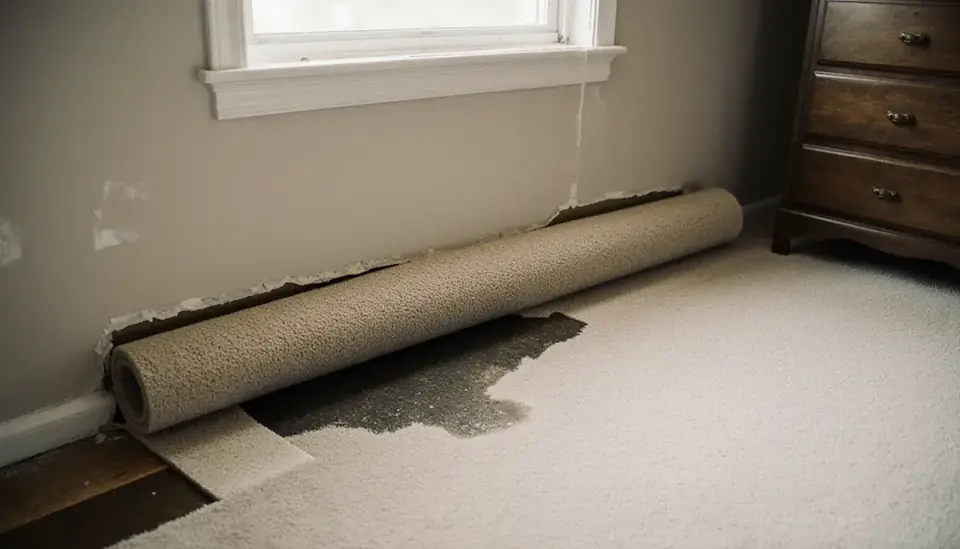
Wet months, cool temperatures and limited sun make mold a steady concern in Bremerton homes. Kitsap Public Health is direct about the fix: mold grows where materials stay damp, so the wetness has to be removed or the growth comes back. Common spots include closets on north-facing walls, bathrooms without a working exhaust fan, the underside of subfloors in damp crawl spaces, and window sills in rooms that are kept cool to save on heat.
A few spots on tile or a window frame are usually a cleaning task. Growth that covers a larger area, returns after cleaning, or sits inside walls or under floors is a job for mold remediation, which pairs containment and removal with drying the source.
Neighborhoods and Nearby Communities
Calls come in from across Bremerton, including:
- Downtown
- Manette
- Charleston
- Union Hill
- Evergreen
- Haddon
- East Bremerton
The same line also serves nearby communities such as:
Frequently Asked Questions
My crawl space in Bremerton fills with water every winter. Is that normal?
It is common on sloped lots here, but it is not something to live with. Standing water under a house raises humidity in the floors above, soaks insulation and encourages growth on wood. A restoration provider can pump it out and dry the space, and the longer-term fix is usually drainage: gutters, downspout extensions, grading or a sump system that keeps rainwater from collecting under the house.
I rent near the shipyard and my ceiling is leaking. What should I do first?
Protect your belongings, put a container under the drip and take photos. Then notify your landlord or property manager in writing, even if you also call. In most rentals the owner arranges the drying and repairs. Keep records of the dates and responses, since that documentation matters if the leak damages your property or mold appears later.
Does a homeowners policy cover water that comes in from the inlet or rising groundwater?
Standard homeowners policies generally exclude flood damage, including water that rises from outside and enters at ground level. Flood coverage comes through a separate policy. A sudden plumbing failure inside the house falls under different rules. You can check your address on FEMA's Flood Map Service Center and confirm details with your insurance agent before the next wet season.
Where can I get emergency alerts for Bremerton and Kitsap County?
Kitsap County Department of Emergency Management runs an alert and warning program that residents can sign up for, and it coordinates the countywide response to storms and other emergencies. For forecasts, wind advisories and flood watches, the National Weather Service office in Seattle covers Kitsap County.