
Battle Ground sits near the geographic center of Clark County, about 11 miles north-northeast of Vancouver at roughly 285 feet above sea level. Unlike Vancouver, Camas or Ridgefield, the city has no lake or river frontage within its limits; its listed water area is zero. That changes the kind of water damage residents see. Most problems here start with rain on roofs and yards, plumbing and appliances inside the house, or a hard freeze, rather than a river spilling its banks.
The Restoration Job is a free referral service that runs a 24/7 phone line. Call (888) 317-9980 and we'll connect you with an independent restoration provider that serves Battle Ground and north Clark County. The provider you speak with handles the visit, the estimate and the work.
How the call works: when you call (888) 317-9980, The Restoration Job connects you with an independent restoration provider that serves Battle Ground. That provider inspects the damage, explains the scope and quotes the work. The Restoration Job doesn't perform restoration itself. Read our referral disclosure.
A Fast-Growing City Away From the Big Rivers
Battle Ground's population roughly doubled between 2000 and 2010, and it reached about 20,700 at the 2020 census, making it the second-largest city in the county. That growth means a large share of homes and apartments are relatively young. In newer houses, the water damage calls that come up most often involve:
- Washing machine hoses, dishwasher connections and refrigerator ice-maker lines that split or loosen.
- Water heaters that leak in garages, closets or attics.
- Toilet supply lines and wax seals that let water seep into subfloors.
- Shower pans and tub surrounds that leak slowly behind tile.
These leaks are usually clean water at first, but the longer they run, the more likely they reach subfloors, insulation and lower cabinets. Prompt water damage repair keeps a weekend leak from becoming a kitchen tear-out.
East Fork Lewis River and Salmon Creek Headwaters
Rivers are close even if they are not inside city limits. The East Fork Lewis River flows west past Battle Ground through Lewisville Park on its way to La Center and the Lewis River, and Clark County keeps gauges on it near Battle Ground and near Heisson. To the south, the Salmon Creek watershed, which includes Battle Ground Lake State Park, drains about 89 square miles toward Vancouver Lake. Homes on rural lots near these streams or their tributaries should check FEMA flood maps, because standard homeowners insurance excludes flood damage.
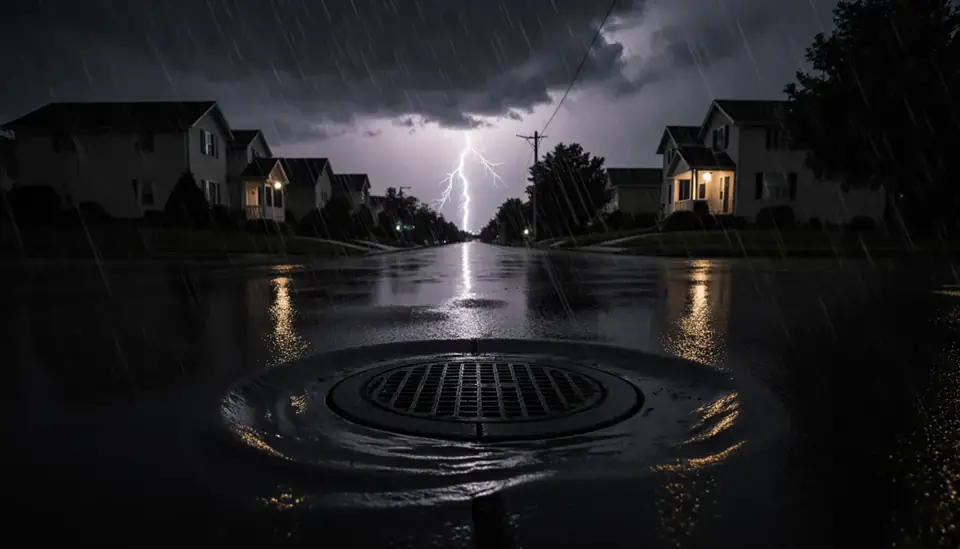
Inside town, heavy rain can overwhelm storm drains and roadside ditches, especially when fallen leaves block inlets in late fall. Clark County asks residents to keep leaves out of the street and to report clogged drains.

Cold Snaps and Burst Pipes North of Vancouver
Battle Ground's climate records show a record low of minus 11 degrees Fahrenheit, and snowfall averages only about an inch and a half a year, so hard freezes are rare enough that they catch people off guard. When an arctic outbreak arrives, pipes in exterior walls, crawl spaces and unheated garages are vulnerable. Keep cabinet doors open on outside walls, let faucets drip during hard freezes and know where your main shutoff is. If a pipe bursts, shut off water at the main, turn off power to affected rooms if water is near outlets, and call for help before ceilings sag.
Crawl Spaces, Rain and Mold Over a 52-Inch Year
Average yearly precipitation in Battle Ground is about 52 inches, noticeably more than in Vancouver, and most of it falls between fall and spring. In homes built over a crawl space, a leaking drain line or groundwater seeping in after weeks of rain can raise humidity under the whole house. Signs include cupping hardwood, a musty smell from floor registers and condensation on ductwork.
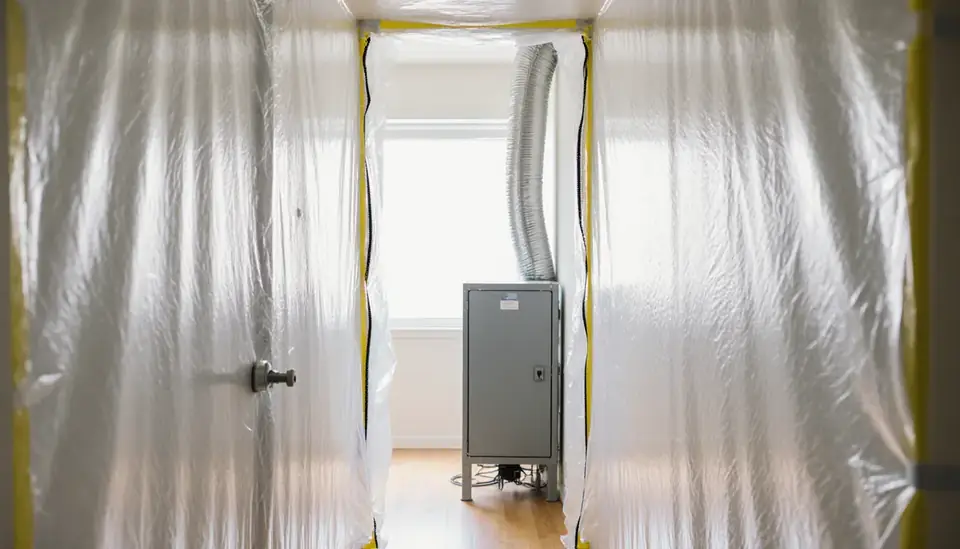
A restoration provider will typically pump out water, replace soaked insulation or a damaged vapor barrier, and dry joists and subfloor with dehumidifiers. If growth has already appeared on framing, ask about mold remediation, including how the source of moisture will be fixed so the problem does not return.
Working With Your Insurer and a Provider
Take photos and video before anything is moved, keep damaged items until the adjuster sees them or says otherwise, and save receipts for fans, tarps and hotel stays. Ask the provider for moisture readings at the start and end of drying, since insurers often want that record. Sudden internal leaks are usually treated differently from outside water, and Clark County notes that new flood insurance comes with a 30-day waiting period, so it pays to sort out coverage before the rainy season rather than during it.
Where Callers in the Battle Ground Area Are
The same line also serves nearby communities such as:
- Vancouver
- Ridgefield
- La Center
- Camas
- Orchards
Questions From Battle Ground Property Owners
Can the East Fork Lewis River flood homes in Battle Ground?
The river runs outside the city, past Lewisville Park to the north, so most homes inside city limits are not on its floodplain. Rural properties along the river and its tributaries can be at risk. Check your address on FEMA's Flood Map Service Center, and watch the Clark County gauges near Battle Ground and Heisson during heavy rain.
How do I tell if a leak under my floor has reached the crawl space?
Look for soft or cupping flooring, a musty smell from registers, higher water bills or a running water meter with fixtures off. If you can safely open the crawl space hatch, use a flashlight to check for standing water, wet insulation hanging from joists or a damp vapor barrier. Moisture meters used by restoration providers can confirm hidden wetness.
Who do I call about a flooded street or blocked drain near my home?
Inside city limits, contact the City of Battle Ground's public works department. For unincorporated areas around the city, Clark County Public Works takes reports of clogged storm drains, plugged culverts and street flooding. Keeping leaves out of the gutter in fall helps prevent the backups that send runoff into driveways and garages.