

The Yakima River gauge at Umtanum, downstream of town, has a flood record that goes back to November 1906, when the river reached 41.1 feet. Ellensburg sits upstream of that gauge along the river, and the Weather Service uses it to describe what high water means locally, from bankfull flows near town to a threat to the city water supply at 38 feet. The valley itself is dry, under 9 inches of precipitation a year, but it is cold: the record low is 31 degrees below zero.
Add a university of roughly 8,500 students and a stock of rental housing that turns over every year, and you get a steady stream of leaks, frozen lines and appliance failures. None of that work is done by The Restoration Job; we simply route calls, free of charge. Call (888) 317-9980 and we'll connect you with an independent provider that serves Ellensburg and the rest of Kittitas County.
How the call works: when you call (888) 317-9980, The Restoration Job connects you with an independent restoration provider that serves Ellensburg. That provider inspects the damage, explains the scope and quotes the work. The Restoration Job doesn't perform restoration itself. Read our referral disclosure.
Reading the Umtanum Gauge for the Kittitas Valley
National Weather Service impact statements for the Yakima River at Umtanum lay out what each stage means upstream:
- 33.5 feet: the river is near bankfull at Ellensburg, and low riverside areas may flood.
- 35.5 feet: minor flooding from the Teanaway River down to Ellensburg, including a riverside park.
- 38 feet: roads and pastures near the river flood, and the city water supply is threatened.
- 39 feet: major flooding of homes and businesses from the Teanaway to Ellensburg, especially in Thorp.
Crests above 37 feet came in 1948, 1959, 1977, 1990, 1996 and 2009, with the February 9, 1996 crest reaching 38.77 feet. The river rose to a preliminary 36.89 feet on December 11, 2025, inside the minor flood range. Nearly all of those crests came between November and February; the exception, in 1948, arrived at the end of May.
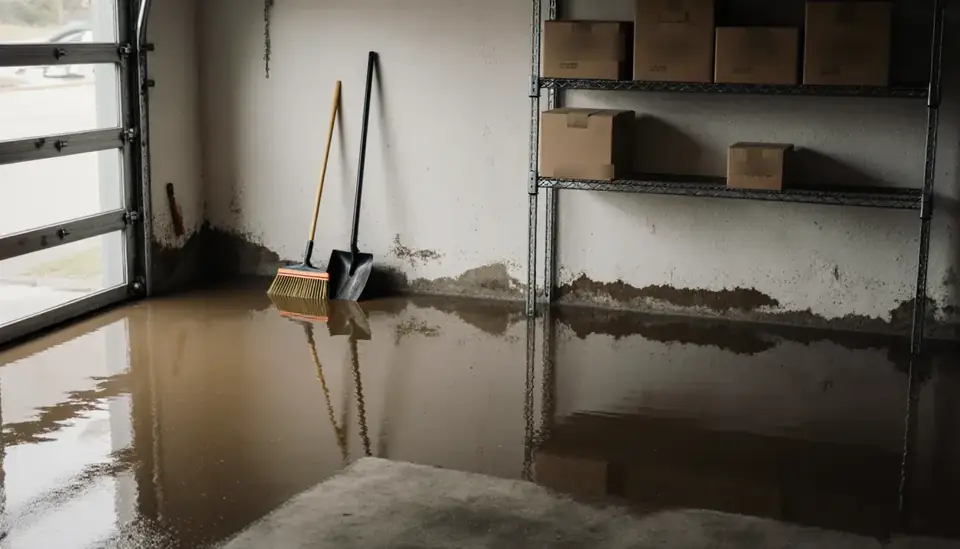
If river or field runoff gets into a building, it should be treated as contaminated. Flood cleanup after that kind of event usually involves removing wet drywall and insulation, cleaning, and then drying the framing.
Student Rentals and Who Handles the Leak
Central Washington University has been in Ellensburg since 1891, when it opened as the State Normal School. For the many students who rent off campus, water damage raises practical questions: tenants need to report leaks right away, landlords control repairs and the building's insurance, and renters' belongings are usually covered only by their own renters policy.
Winter break is a known risk period. A unit left with the heat turned down for a few weeks in January can freeze a pipe in an exterior wall, and the leak may run for days before anyone returns. Landlords can reduce that risk by setting minimum thermostat requirements, checking vacant units, and making sure tenants know where the shutoff valve is.
Thirty-One Below, Roof Ice and Older Plumbing
Much of downtown was rebuilt after the fire of July 4, 1889, which destroyed most of the business district and ended the town's campaign to become the state capital. Older commercial buildings and houses anywhere tend to have plumbing that has been altered many times. Older galvanized lines, long runs through unheated spaces and roof drains that ice over in winter are all common sources of trouble.
The coldest reading on record is 31 below zero, set December 12, 1919, and the valley averages about 21 inches of snow a year. Ice can build up along eaves and back meltwater under shingles, which then shows up as stains on upstairs ceilings during a thaw. Clearing snow from roof drains and keeping attic insulation in good shape helps.
Cold Framing, Slow Drying and Mold Risk
A restoration provider will typically extract standing water, use meters and thermal imaging to find where it spread, remove ruined materials, and then run dehumidifiers and air movers for several days. Winter jobs here often need heat as well, because cold framing dries slowly. You can read more about the equipment side on our structural drying page.
Dry outdoor air helps once walls are opened, but it does not reach a soaked wall cavity or crawl space on its own. Mold can start within a day or two in those spaces. Musty smells or discoloration that spread after a leak is fixed are reasons to have the area checked. Removing affected material and correcting the moisture source is more effective than surface cleaning.
Local Alerts and Insurance Basics
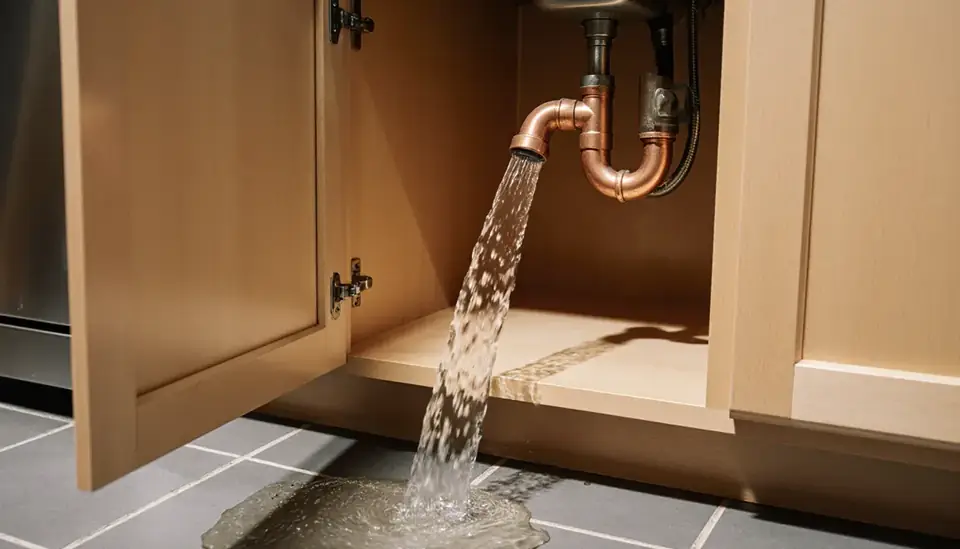
Kittitas County Sheriff's Office Emergency Management lists floods and ice storms among the county's hazards and offers emergency alerts through Everbridge, along with a live evacuation map. River flooding is excluded from standard homeowners and renters policies and requires separate flood coverage; sudden pipe bursts are treated differently. Photograph damage before cleanup and keep receipts.
Neighborhoods and Nearby Communities
The same line also serves nearby communities such as:
- Kittitas
- Thorp
- Cle Elum
- Roslyn
- Selah
Frequently Asked Questions
At what river level does Ellensburg start to flood?
The National Weather Service uses the Yakima River at Umtanum gauge. At 33.5 feet the river is near bankfull at Ellensburg and low riverside areas may flood. Minor flood stage is 35.5 feet, and at 38 feet roads and pastures near the river flood and the city water supply is threatened. The record is 41.1 feet from November 1906.
My off-campus apartment has water coming through the ceiling. What comes first?
Tell your landlord or property manager right away, in writing if possible, and move your belongings away from the water. If you can safely shut off the water to the leaking fixture, do it. Take photos for your renters insurance. Repairs to the building are normally the owner's responsibility, while your policy covers your own property.
Why do pipes break here even in insulated homes?
The Kittitas Valley gets extreme cold; the record low is 31 below zero. At those temperatures, pipes in exterior walls, crawl spaces and attached garages can freeze even with some insulation, especially if heat is turned down. Opening cabinet doors and keeping heat steady during cold spells reduces the risk.
How does a call to (888) 317-9980 work?
It connects you, free, with an independent restoration provider that serves Ellensburg and Kittitas County. The provider arranges the inspection, gives its own estimate and works with you on the job. Our part ends once the call is connected.