
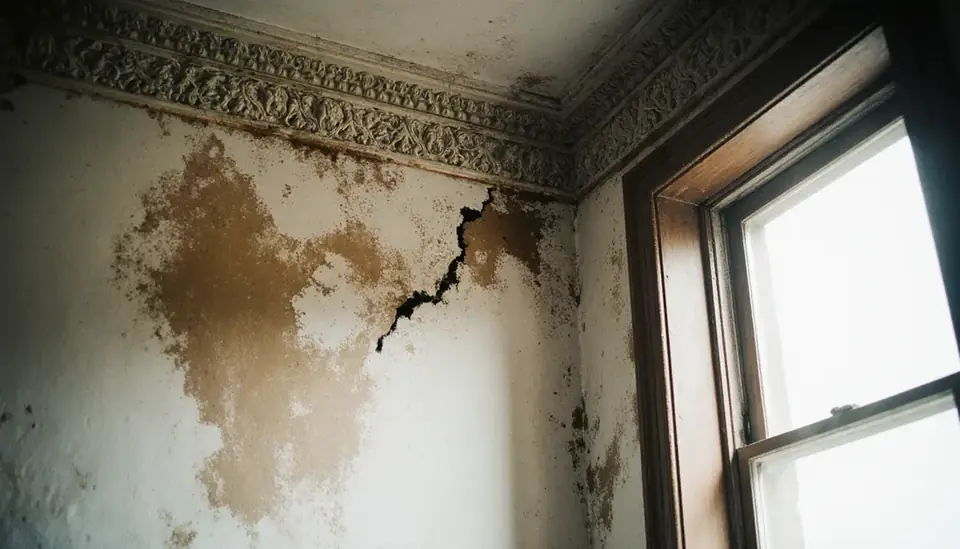
Mill Creek flooded this town 15 times between 1878 and 1931. The last of those floods, on March 31, 1931, spilled into the city and neighboring College Place and caused about $1 million in damage. What followed reshaped the creek: a concrete channel through downtown dug by the Works Progress Administration in the 1930s, and the Army Corps of Engineers' Mill Creek Dam and Bennington Lake east of town. That system held in 1964, 1996 and again in February 2020, when Mill Creek set a new high-water record.
The Restoration Job is a free referral line answered 24 hours a day. Call (888) 317-9980 and we'll connect you with an independent restoration provider that serves Walla Walla and the surrounding valley. The provider you reach works with you directly on inspection, cleanup and repairs.
How the call works: when you call (888) 317-9980, The Restoration Job connects you with an independent restoration provider that serves Walla Walla. That provider inspects the damage, explains the scope and quotes the work. The Restoration Job doesn't perform restoration itself. Read our referral disclosure.
How the Mill Creek Channel and Bennington Lake Work
The flood control project dates to 1938. During high winter flows, a diversion dam sends water into Bennington Lake, an off-stream reservoir, so that peak flow through the city stays near 3,500 cubic feet per second, the limit the project was designed around. A second dam downstream lets some Mill Creek water into Garrison and Yellowhawk creeks, which supply irrigation in the valley.
The system has limits. In February 1996, an atmospheric river filled Bennington Lake to 97 percent of capacity. Homes inside the protected corridor have much lower risk than before the 1930s, but properties along the smaller creeks, on low ground and outside city limits do not share the same protection.
February 2020: What Happened Around the City
More than 10 inches of water-equivalent precipitation fell on the west slopes of the Blue Mountains in early February 2020. The deep channel kept Mill Creek inside its banks through town, and city officials closed some bridges as a precaution. Upstream and downstream, the creek washed out roads, flooded fields and damaged buildings, and a bridge southeast of town was lost. To the west, Walla Walla River flooding closed U.S. 12 between Wallula and Touchet.
If outside water reached your home in a flood like that, treat it as contaminated. Flood cleanup usually means removing wet drywall, insulation and flooring, disinfecting surfaces and drying the structure fully before rebuilding. Standard homeowners policies exclude flooding, so separate flood coverage is what pays for that work.
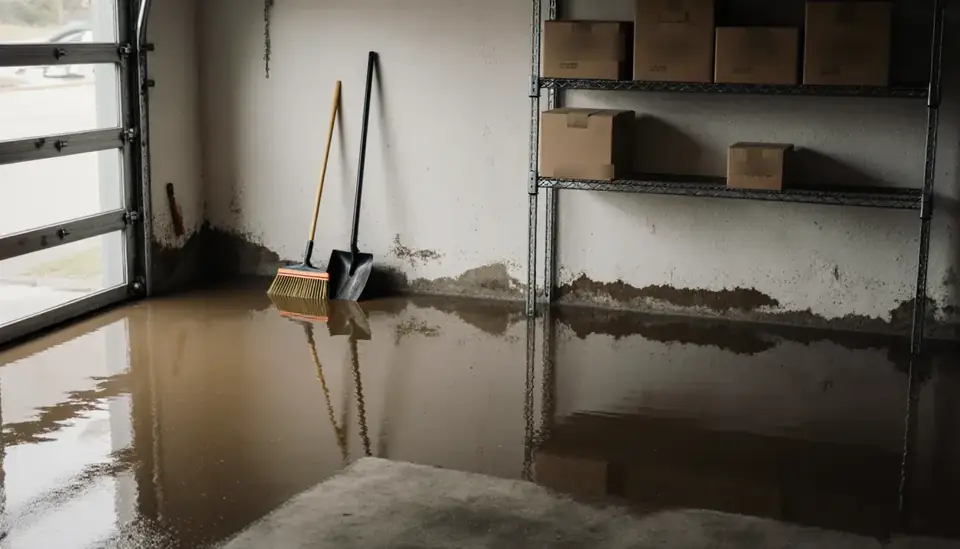
Older Houses in Blalock, South Ninth and Germantown
The city's older neighborhoods, including Blalock, the South Ninth area settled by Italian families and the Volga German area known as Germantown or Russian Corner, hold houses that have seen generations of plumbing changes. The leaks that show up there are often at old drain lines, worn valves, water heaters and bathroom floors where years of small drips have softened the subfloor. Where a house has a basement, a backed-up floor drain or a failed sump can put water on the lowest level fast.
A provider handling water damage restoration in an older home should check below the visible damage: under flooring, inside wall cavities and in any crawl space or basement beneath the leak.
Wetter Than the Tri-Cities, Colder Than It Looks
The valley gets about 18.74 inches of precipitation a year, more than twice what falls in the Tri-Cities, and storms over the Blue Mountains to the east feed Mill Creek. The record low is 24 below zero. Practical steps that help here:
- Keep gutters and downspouts clear and pointed away from the foundation.
- Drain exterior spigots and irrigation lines in the fall.
- Insulate pipes in crawl spaces, garages and exterior walls.
- Sign up for county emergency alerts so you hear about high water early.

Mold After Winter Leaks and Spring Thaws
With more rain and snow than most of eastern Washington, homes here are more likely to see damp basements, wet crawl spaces and leaky roofs during the cold months. When moisture lingers, mold follows, often in insulation, behind baseboards and on the underside of subfloors. Fix the water source, dry the area completely and have anything more than a small patch of growth removed under containment by a qualified provider.
Neighborhoods and Nearby Communities
Calls come in from across Walla Walla, including:
- Blalock
- South Ninth
- Germantown
- Downtown
The same line also serves nearby communities such as:
- College Place
- Touchet
- Wallula
- Milton-Freewater
Common Questions
Does Bennington Lake mean my house cannot flood?
No. The Mill Creek project protects the city corridor from creek flows up to about 3,500 cubic feet per second and has worked through several major events. It does not protect every property, and it does nothing about plumbing failures, sewer backups or water from smaller streams. Look up the property's flood zone on FEMA's Flood Map Service Center.
How do I get flood warnings in Walla Walla County?
Walla Walla County Emergency Management runs an alert program through Everbridge that sends notices about severe weather, floods and other emergencies by phone, text and email. The county was also the first in its National Weather Service region to earn StormReady status, and it recommends a NOAA weather radio for every household.
Who can help at night if my basement is taking on water?
Turn off power to the basement if it is safe to reach the panel, and stop any water source you can control. Then call (888) 317-9980. The Restoration Job's line is open 24/7 and we'll connect you with an independent provider serving the area. Ask the provider about its timing when the call connects, since schedules differ.