
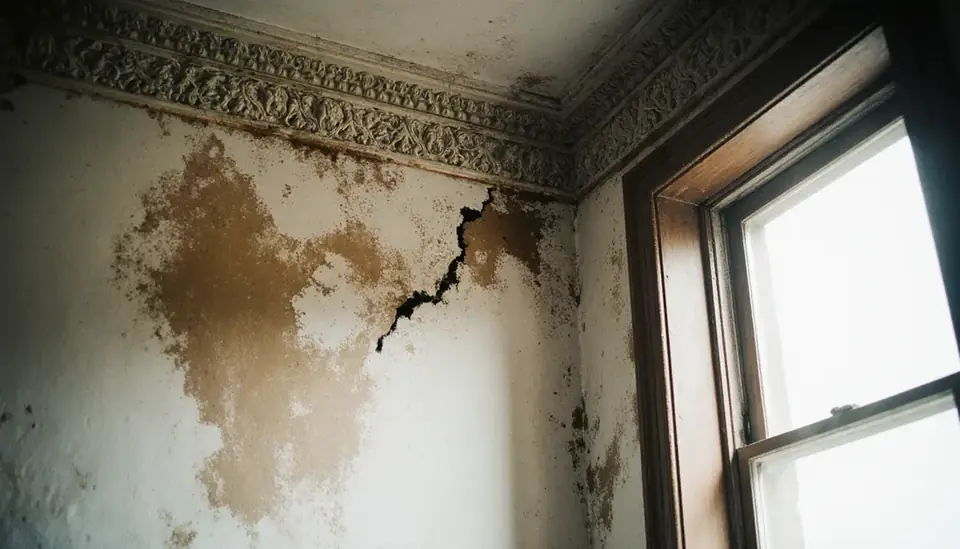
More than 75 murals cover the walls of Toppenish, painted since 1989 to show Yakima Valley life between 1840 and 1940. They decorate a railroad town that grew up after the Northern Pacific arrived in 1883 and was founded the following year. The city lies inside the Yakama Reservation, with Toppenish Creek and its wetlands a few miles south. Water problems here are mostly the indoor kind: frozen and broken pipes, sewer lines that back up, and leaks in buildings that have stood for generations.
For help, call (888) 317-9980. It is a free line, open around the clock, that connects you with an independent restoration provider serving Toppenish, Wapato, Zillah and nearby communities. The Restoration Job is not the contractor; the provider you are connected with handles inspection, pricing and repairs.
How the call works: when you call (888) 317-9980, The Restoration Job connects you with an independent restoration provider that serves Toppenish. That provider inspects the damage, explains the scope and quotes the work. The Restoration Job doesn't perform restoration itself. Read our referral disclosure.
Sewer Backups on a Small-City System
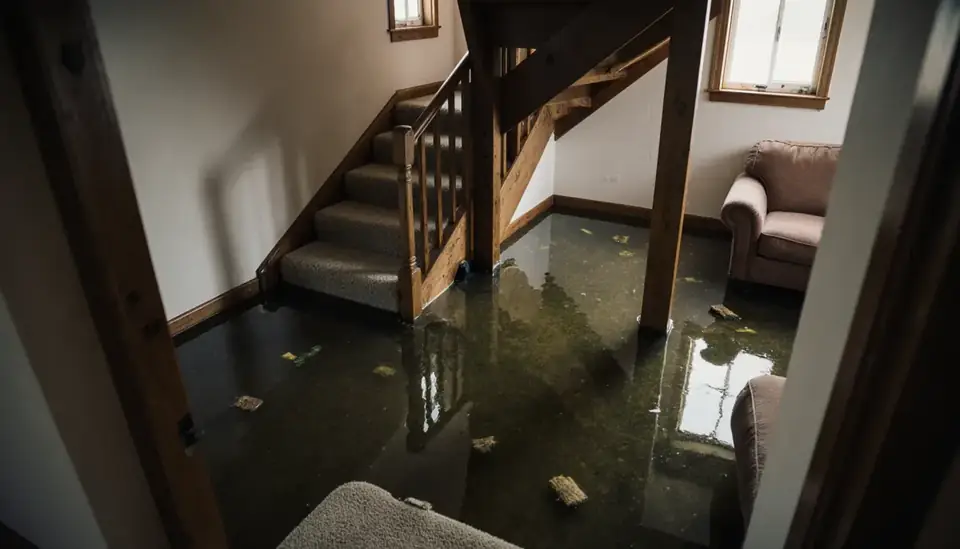
Toppenish runs its own wastewater system, with about 27 miles of collector sewer lines, 3.3 miles of larger interceptors and six pumping stations feeding the treatment plant on Annahat Road. Systems like this work well most days, but a blocked side sewer, a root-filled line or a pump problem can push wastewater back up through the lowest drain in a building, usually a basement floor drain, shower or toilet.
Sewage water is contaminated. Porous materials it touches, such as carpet, pad and the bottom of drywall, are normally removed rather than dried, and the area is cleaned and disinfected before rebuilding. Keep people and pets out, do not run fans that blow air from the affected room through the house, and read our sewage cleanup page for what the work involves. For a problem in city mains after business hours, the city directs residents to call 911 so dispatch can reach the police department and on-call crews.
Summer Irrigation and Winter Freeze
Water use in town more than triples between winter and summer, from under 1 million gallons a day to about 3.5 million, because every household is metered for irrigation as well as domestic use. Heavy summer watering puts pressure on yard lines and sprinkler valves, and a leak near a foundation can saturate soil and seep into a crawl space or basement.
Winter brings the opposite problem. The Yakima Valley gets only about 8 inches of precipitation a year, but arctic air can push temperatures well below zero, and the valley record at Yakima is 25 below. Pipes in exterior walls, unheated additions and crawl spaces are the usual casualties.
- Drain and shut off irrigation lines before the first hard freeze.
- Close crawl-space vents in winter and replace missing pipe insulation.
- Leave cabinet doors open on cold nights so warm air reaches sink supply lines.
Railroad-Era Buildings and Hidden Leaks
Toppenish was founded in 1884 and incorporated in 1907, and buildings from its early decades carry their own risks: original or patched plumbing, roofs and parapets that have been resurfaced several times, and basements that were never designed to stay dry. A roof drain that clogs during snowmelt can send water down an interior wall, and a long-hidden leak in a second-floor apartment above a storefront may first show as a stain on the shop ceiling below.
With painted exterior walls and historic interiors, owners should ask a provider to explain what has to be removed and what can be dried in place. Plaster and masonry dry differently from modern drywall, and careful moisture mapping helps avoid tearing out more than needed. Our structural drying page outlines the equipment and monitoring involved.
Mold, Moisture and the First 48 Hours
Whatever the source, the goal is to get materials dry quickly. Mold can start on wet drywall paper, wood and carpet backing within a day or two, even in a dry climate, because a closed wall or floor holds its own humidity. Signs include a musty odor, spotting at the base of walls and swollen baseboards after a leak.
Shut off the water, remove what you can from the wet area, and take photos for insurance. Sewer backup coverage is often an add-on to homeowners policies rather than standard, and river flooding requires a separate flood policy, so check your declarations page before the work begins.
Toppenish Neighborhoods and Surrounding Towns
The same line also serves nearby communities such as:
- Wapato
- Zillah
- White Swan
- Harrah
- Granger
- Union Gap
Common Questions
Who do I call if sewage is coming up from a city line after hours?
The city's wastewater page says to call 911 after hours so dispatch can notify the Toppenish Police Department, which reaches on-call staff. During business hours, Public Works can be reached at (509) 865-4500. If sewage has already entered your building, a restoration provider can handle cleanup once the line issue is addressed.
Does Toppenish Creek flood homes in town?
We did not find a public record of Toppenish Creek flooding homes in the city. The creek runs through wetlands at the Toppenish National Wildlife Refuge about six miles south. For flood risk at a specific address, check FEMA's Flood Map Service Center rather than relying on distance from the creek.
Is a historic building harder to dry out?
It can be. Plaster, brick and old wood framing hold and release moisture differently from modern materials, and owners often want to save original finishes. A provider will usually take more moisture readings and may dry some materials in place rather than removing them. Ask about the approach before demolition starts.
What does The Restoration Job do?
We run a free phone line, (888) 317-9980, that connects you with an independent restoration provider serving your area. We do not send workers or equipment. The provider you speak with schedules the inspection, explains its pricing and does the cleanup and repairs.