
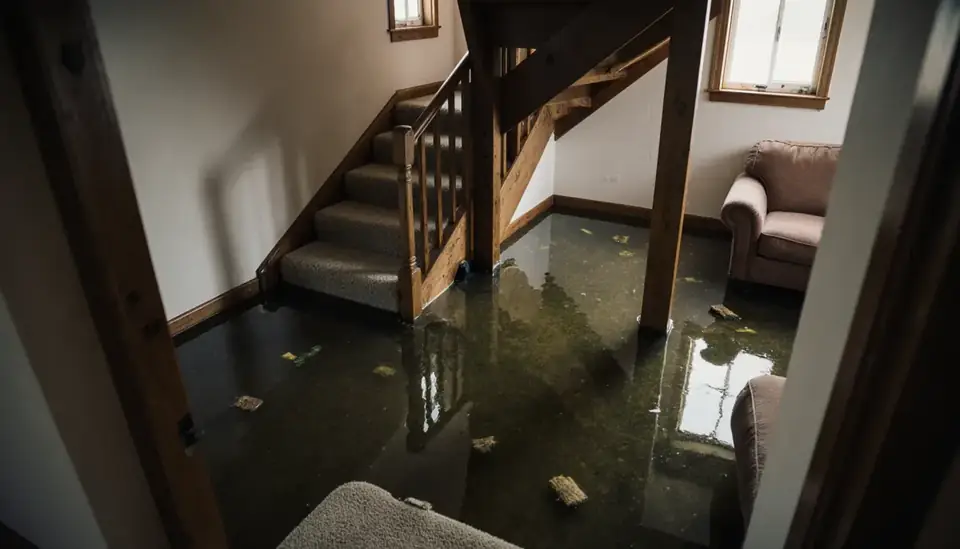
Few desert towns are wrapped around this much water. The lake that gives Moses Lake its name stretches three long arms more than 18 miles through the city and its edges, with over 120 miles of shoreline, yet the town itself averages under 8 inches of precipitation a year. That combination shapes most of the water damage local homeowners see: not big river floods, but plumbing that splits in a hard freeze, irrigation and supply lines that leak for weeks before anyone notices, and the occasional problem for houses built close to the shoreline along Parker Horn or Pelican Horn.
The Restoration Job is a free referral line that operates around the clock. Call (888) 317-9980 and we'll connect you with an independent restoration provider that serves Moses Lake and the rest of Grant County. That company inspects the damage, explains the drying plan and works with you directly on cleanup and repairs.
How the call works: when you call (888) 317-9980, The Restoration Job connects you with an independent restoration provider that serves Moses Lake. That provider inspects the damage, explains the scope and quotes the work. The Restoration Job doesn't perform restoration itself. Read our referral disclosure.
Arctic Air Over the Basin and Split Supply Lines
January nights here average in the low 20s, and the record low sits at 22 degrees below zero. Arctic air that settles over the basin for several days is when burst pipes become the leading call. The weak spots are predictable: hose bibs left connected, supply lines on exterior walls, plumbing in unheated garages and crawl spaces, and homes left empty over the holidays with the heat turned down too far.
A split copper or PEX line can release several gallons a minute. Shut off the main as soon as you find the leak, open a faucet to drain pressure, and turn off power to any circuits where water is reaching outlets or fixtures. Once the flow stops, the goal shifts to water extraction before it wicks into subfloors, cabinets and the bottom of drywall.
Living Along Parker Horn, Pelican Horn and Lewis Horn
Moses Lake was a smaller, shallow lake until it was dammed in the early 1900s for irrigation and later folded into the Columbia Basin Project, which began delivering water to the area in the mid-1950s. Crab Creek feeds the Parker Horn arm, Rocky Ford Creek also flows in, and the lake drains south toward Potholes Reservoir. Crab Creek has reshaped the lake before: a 1904 flood cut through the sand dunes that once blocked it and dropped the lake level by eight feet.
Today the lake level is managed, so shoreline homes rarely see open-water flooding, but lots near the water can still deal with damp soil, seepage into lower levels and moisture under slabs or in crawl spaces. Grant County's flood risk is mapped by FEMA, and checking your address on the Flood Map Service Center before you buy or remodel near the shoreline is worth the few minutes it takes.
Air Base Houses, Newer Subdivisions and What Fails in Each
The town grew fast once Larson Air Force Base opened in 1942, jumping from about 300 residents in 1938 to roughly 2,700 by 1950, and the former base is now Grant County International Airport. That growth left a mix of mid-century houses alongside much newer construction on the city's edges and in neighboring Cascade Valley.
- Older homes: galvanized or aging supply lines, original drain pipes and water heaters in closets or garages that have outlived their tanks.
- Newer homes: washing machine hoses, ice maker lines, dishwasher connections and plastic fittings under sinks.
- Everywhere: lawn irrigation, which is heavily used in this dry climate, and lines that are not drained before the first freeze.
What a Drying Job Looks Like in Grant County
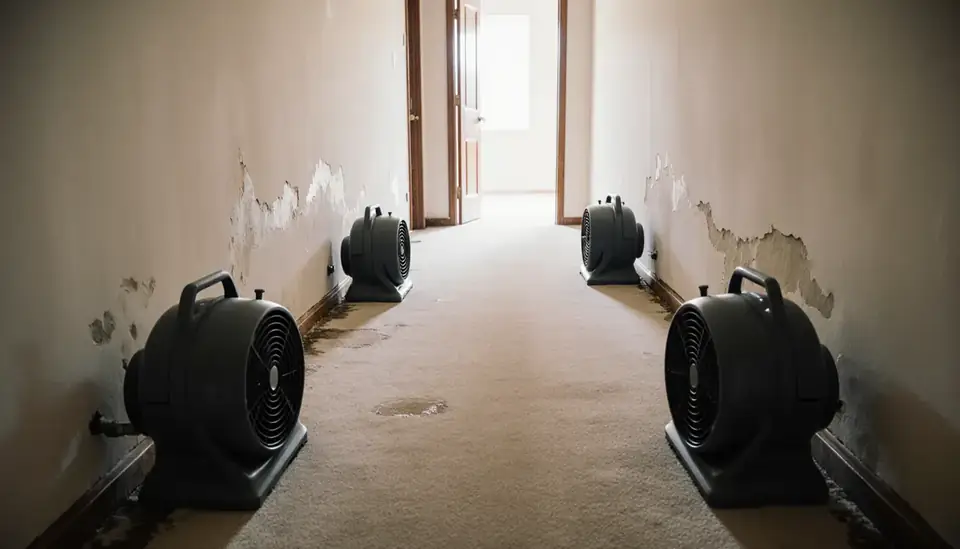
Dry desert air helps, but it does not dry a soaked wall cavity or carpet pad on its own. A restoration crew will typically start by mapping moisture with meters, then remove standing water, pull wet carpet pad, and open baseboards or drill small holes so air can move inside the wall. Dehumidifiers and air movers usually run for several days, with readings taken daily until materials return to normal levels. You can read more about the process on our structural drying page.
Photograph everything before it is removed, keep damaged materials until your insurance adjuster has seen them or approved disposal, and ask the provider for its moisture logs. Standard homeowners policies usually cover sudden pipe bursts but not gradual leaks or surface flooding, so the cause of the loss matters when you file.
Musty Smells in a Town With Under 8 Inches of Rain
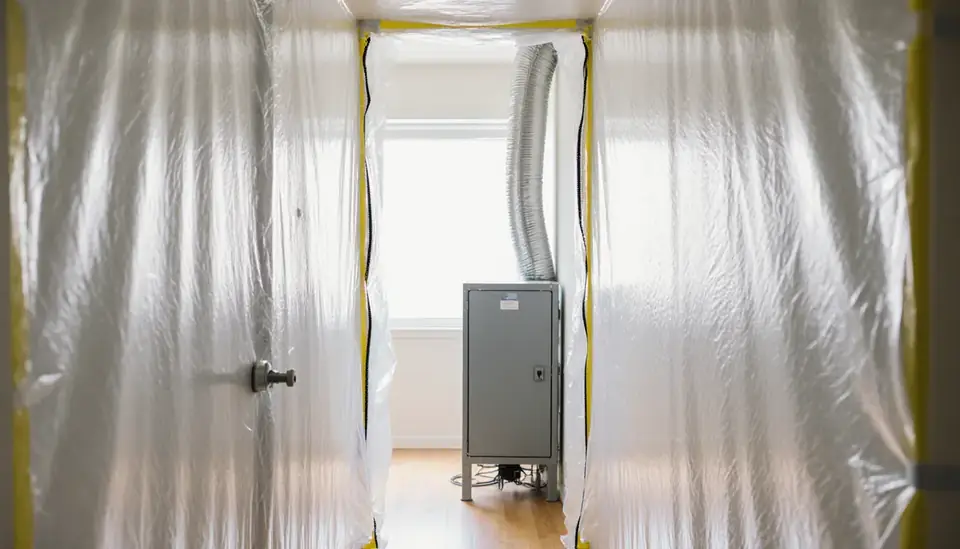
Low humidity outdoors can create a false sense of safety. Mold needs moisture, and a slow leak behind a vanity, inside a crawl space or under a refrigerator supplies plenty of it no matter how dry the air is outside. Summer highs that average near 88 degrees speed growth once a material stays wet. If you notice a musty smell, staining on the lower edge of drywall or warped flooring, have the area checked rather than painting over it. Where growth has already spread, a provider offering mold remediation can contain the area and remove affected materials.
Areas In and Around Moses Lake
The same line also serves nearby communities such as:
- Cascade Valley
- Ephrata
- Soap Lake
- Warden
- Quincy
- Royal City
Frequently Asked Questions
Does Moses Lake flood like towns on the Yakima or Columbia rivers?
Not in the same way. The lake is managed as part of the Columbia Basin Project and the town gets very little rain, so river-style flooding is uncommon. Most water losses here come from frozen or failed plumbing, appliance leaks and irrigation lines. Homes close to the shoreline can still see seepage or damp crawl spaces, so check FEMA flood maps for your address.
How do I protect pipes before a deep freeze in Grant County?
Disconnect garden hoses, shut off and drain exterior spigots and irrigation lines in the fall, and insulate pipes in garages and crawl spaces. During a severe cold snap, keep the heat on even when you travel and open cabinet doors on exterior walls. Find and label the main shutoff valve now, while nothing is leaking.
Who do I call at night when a pipe bursts in Moses Lake?
Shut off your main water valve first. Then call The Restoration Job at (888) 317-9980; the referral line is open 24/7 and connects you with an independent restoration provider serving Moses Lake. Many providers in the area offer emergency service, though availability varies, and the company you are connected with will explain its timing and next steps.
Is a slow leak under a sink covered the same way as a burst pipe?
Often not. Many homeowners policies treat sudden, accidental water releases differently from damage that built up over weeks or months. Read your policy, document the leak and the damage with photos, and contact your insurer early. A restoration provider can supply moisture readings and notes that help show what happened and when.