

Of the Tri-Cities communities, this is the one the Yakima River most directly threatens. The National Weather Service's flood notes for the Yakima River gauge at Kiona name West Richland again and again: low-lying ground floods first, then farmland, roads and some residential areas, and in a major event the flooding extends from Twin Bridge to the Columbia. The city has also been growing quickly, up 38 percent between 2010 and 2020, so many residents have never seen the river at its worst.
The Restoration Job is a no-cost referral service, and its phone line never closes. Call (888) 317-9980 and we'll connect you with an independent restoration provider that serves West Richland and nearby Benton County communities. You work with that provider directly on the inspection, cleanup and repairs.
How the call works: when you call (888) 317-9980, The Restoration Job connects you with an independent restoration provider that serves West Richland. That provider inspects the damage, explains the scope and quotes the work. The Restoration Job doesn't perform restoration itself. Read our referral disclosure.
Reading the Kiona Gauge Before the River Reaches You
The Kiona gauge sits upstream near Benton City, which gives residents some warning. The Weather Service uses these stages:
- 11 feet: action stage, the level the Weather Service flags before flooding begins.
- 13 feet: minor flooding of pastures and roads next to the river, especially in low-lying parts of West Richland.
- 14.5 feet: moderate flooding of farmland, roads and some residential areas.
- 16 feet and above: major flooding, with extensive flooding from Twin Bridge to the Columbia at the highest levels.
The record crest is 21.57 feet on December 23, 1933. The February 11, 1996 flood came close at 20.98 feet, and large crests also struck in 1906, January 1974 and May 1948. The late-May crest in 1948 is a reminder that high water is not limited to winter.
From Enterprise to a Fast-Growing River Town
The town began as a planned community after Carl Heminger bought land in 1948, was first named Enterprise and was incorporated as West Richland in 1955. In 1981 it annexed the 7,600-acre Lewis and Clark Ranch along the Yakima River, which put more riverfront land inside city limits. The population passed 16,000 in 2020 and has kept climbing.
That growth means a large share of homes are recent builds, where the usual problems are appliance hoses, plumbing fittings and irrigation lines rather than old pipes. It also means more new owners on ground near the river who may not know their flood zone. FEMA's Flood Map Service Center shows mapped flood hazard for any address, and a separate flood policy is the only way most homeowners are covered for river water.
After River Water Gets Inside
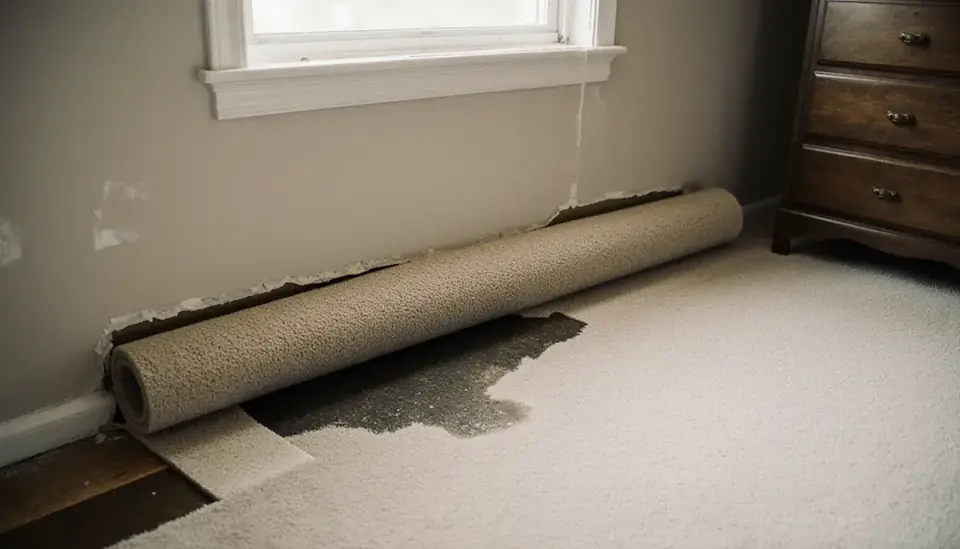
Floodwater from the Yakima can carry silt, bacteria and chemicals, so it is handled differently from a clean supply-line leak. Wait for officials to say it is safe to return, keep power off in flooded areas, and wear boots and gloves. Photograph water lines on walls before anything is moved.
Professional flood cleanup generally means pumping out water and mud, removing soaked drywall, insulation and carpet, cleaning and disinfecting the framing, and then drying the structure with dehumidifiers and air movers. Garages, outbuildings and crawl spaces often need the same attention as living areas. Keep a list of everything removed for your insurance claim.
Winter Pipes and Summer Irrigation
Away from the river, most water losses here follow the seasons. Arctic air in winter freezes pipes in garages, crawl spaces and exterior walls. In summer, sprinkler systems run hard, and a broken line can soak the soil against a foundation or flood a crawl space. Drain irrigation lines before freezing weather, insulate exposed plumbing, and know where every shutoff on your property is. For indoor leaks, quick water extraction keeps damage from spreading into subfloors and cabinets.
Mold Checks After Floods and Hidden Leaks
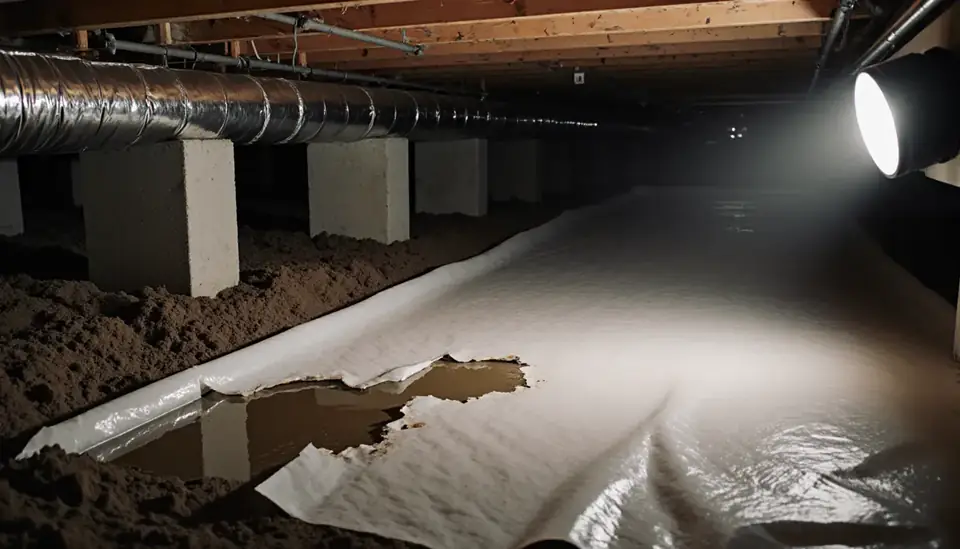
The semi-arid air outside does little to dry a wall cavity, a carpet pad or a crawl space after a flood. Hot summers speed up growth once materials stay wet. After river flooding, mold commonly appears behind baseboards, under flooring and in insulation that was not removed. After a hidden leak, the first signs are usually a musty smell or discolored drywall near the floor. Have the moisture source fixed and the area dried before any repairs are closed up, and call for remediation if growth is more than a small spot.
Areas In and Around West Richland
The same line also serves nearby communities such as:
Frequently Asked Questions
How do I get flood alerts for West Richland?
The city's website offers sign-up for Code Red emergency notifications, and Benton and Franklin Counties Emergency Management serves the city as well. You can also watch the Yakima River at Kiona gauge on the National Weather Service site, which shows the current stage and forecast against the flood stages for the area.
Does homeowners insurance cover Yakima River flooding?
Standard homeowners policies generally exclude flooding from rivers and surface water. Flood coverage is sold separately, through the National Flood Insurance Program or private insurers, and policies usually have a waiting period before they take effect. If you are near the river or in a mapped flood zone, buying coverage well before the high-water season matters.
Is it safe to clean up river floodwater myself?
Small amounts of clean water can be handled by a homeowner, but river floodwater is treated as contaminated. It can carry bacteria, chemicals and sediment into walls and flooring. Protective gear, removal of porous materials and thorough drying are needed. Call (888) 317-9980 any time to be connected with an independent provider serving West Richland.