
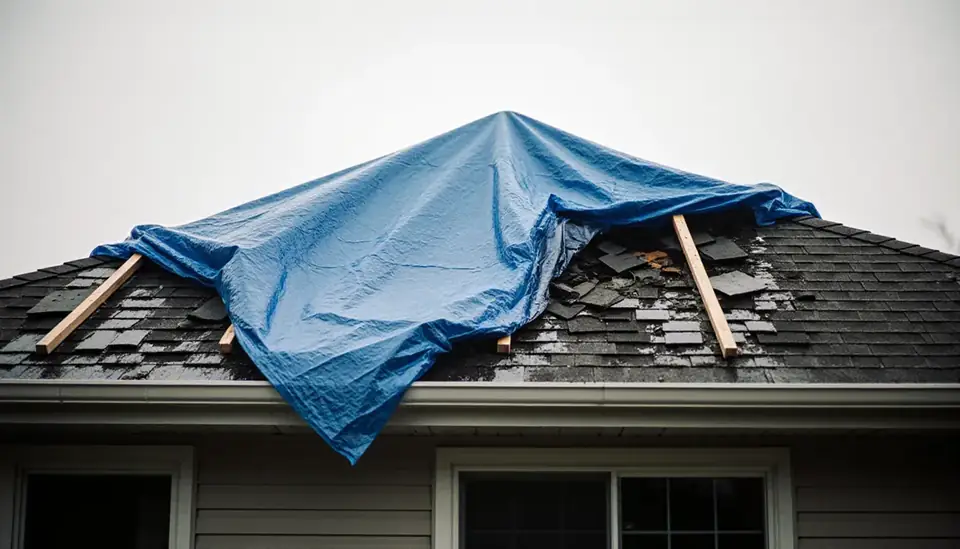
Less than 16 inches of rain falls on Sequim in a typical year, about what Los Angeles gets, thanks to the Olympic Mountains blocking Pacific storms. The prairie between the Dungeness River and Sequim Bay was dry enough that settlers dug irrigation canals in the 1890s, and the town still celebrates with an Irrigation Festival that has run every spring since 1896. So when water damage happens here, it rarely comes from the sky. It comes from pipes, appliances, water heaters and the occasional hard freeze.
Call (888) 317-9980, a free line answered around the clock, and we will connect you with an independent restoration provider serving Sequim and the Dungeness Valley. That provider handles the assessment, drying and repairs with you directly.
How the call works: when you call (888) 317-9980, The Restoration Job connects you with an independent restoration provider that serves Sequim. That provider inspects the damage, explains the scope and quotes the work. The Restoration Job doesn't perform restoration itself. Read our referral disclosure.
Dry Climate, Wet Houses: Where the Water Comes From
With so little rain, most Sequim water damage starts inside the house. The usual culprits:
- Supply lines: braided hoses to toilets and faucets, and plastic lines to refrigerator ice makers, can fail without warning.
- Water heaters: tanks in garages, closets and utility rooms leak as they age, often slowly at first.
- Washing machines and dishwashers: hoses and door seals are common sources of water under floors.
- Frozen pipes: Arctic air crossing the Strait of Juan de Fuca can freeze lines in crawl spaces and garages.
Because the water is usually clean at first, fast action keeps the job small. Shut off the supply, remove standing water and get drying started within a day or two. Full water damage restoration then covers the drying, removal of anything that cannot be saved and the repairs.
A Retirement Town and the Leak That Runs for Days
Sequim's median age was 63.7 at the 2020 census, and nearly half of residents were 65 or older. Owners who travel for part of the year or spend winters elsewhere have extra reason for caution, and about 7 percent of homes were vacant on census day. A leak that starts while nobody is home can run for days, soaking subfloor, cabinets and the drywall in adjoining rooms.
Simple habits help: shutting off the main valve before a trip, leaving the heat on, asking a neighbor to check in, and placing battery leak alarms by the water heater, washer and toilets. For owners who find a long-running leak, expect a provider to use moisture meters to map the wet area and to set up structural drying for framing and subfloors.

Freeze Damage in a Mild Climate
Most Sequim winters are mild, which is exactly why a hard freeze can catch homes off guard. The north Olympic Peninsula is exposed to Arctic cold fronts that sweep across the strait, and when temperatures drop for several days, unprotected pipes in vented crawl spaces, garages and exterior walls can split. The leak usually starts once the line thaws.
Before winter, disconnect hoses, cover outside faucets, close crawl-space vents if your home has adjustable covers and make sure pipe insulation is in place. If a pipe does break, shut off the water, cut power to wet areas and call for help quickly, since water in a crawl space spreads under the whole house.
Shoreline Homes Along Sequim Bay and the Strait
Homes near Sequim Bay, the Dungeness Spit and the strait shoreline face different water risks than those in town. Wind-driven rain during winter storms can get past older windows and siding on exposed faces of a house. The Washington Department of Natural Resources also identifies the Cascadia subduction zone as the state's main tsunami source, with waves from a local quake reaching the strait in tens of minutes. Its geologic portal lets you check an address for inundation zones. If you live near the water, learn your route inland and keep copies of insurance documents off-site.
Mold Risk Is Lower Here, but Not Zero
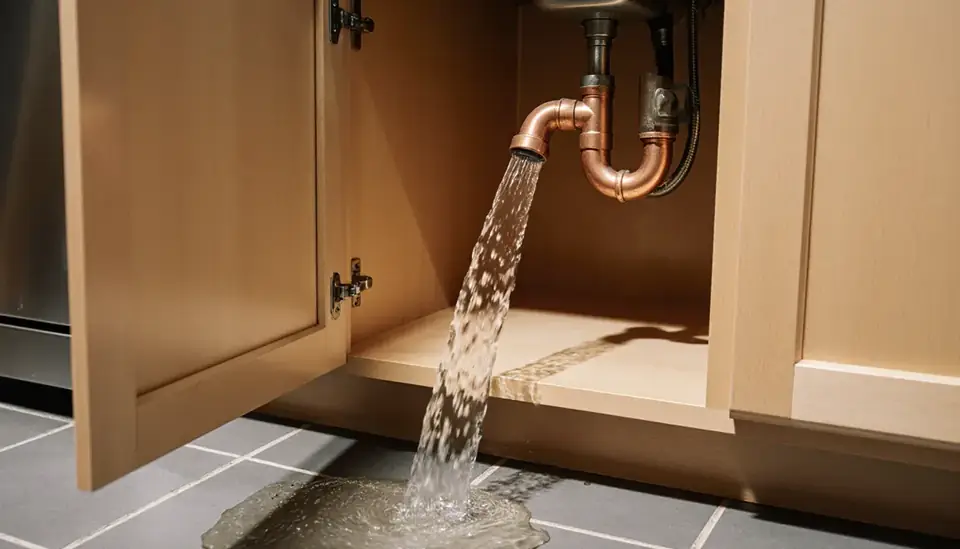
Sequim's dry air works in your favor after a leak, but mold still grows wherever materials stay wet. The common spots are under sinks, behind washing machines, inside walls where a slow leak went unnoticed and in crawl spaces with poor ventilation. Fixing the source is the first step. Small surface spots can usually be cleaned, while growth that covers a larger area or sits inside walls calls for mold remediation with containment and removal of affected materials.
Areas In and Around Sequim
Calls come in from across Sequim, including:
- Downtown
The same line also serves nearby communities such as:
- Port Angeles
- Carlsborg
- Blyn
- Jamestown
- Diamond Point
Frequently Asked Questions
Sequim hardly gets any rain. Do I need to worry about water damage?
Yes, because most damage here comes from inside the house rather than from storms. Supply lines, water heaters, appliances and pipes that freeze during cold snaps are the usual sources. The dry climate helps materials dry faster once the leak is stopped, but a leak that runs unnoticed for days can still soak subfloors and cabinets.
I spend winters away from Sequim. How do I protect the house?
Shut off the main water valve, or at least the supply to the water heater and washer, and keep the heat set low so pipes stay above freezing. Ask someone to walk through every week or two, and consider leak alarms that alert your phone. Check your insurance policy too, since some limit coverage for homes left unoccupied for long periods.
Is my Sequim home at risk from the Dungeness River?
The city lies east of the Dungeness River, and properties close to the river channel or along the shoreline may fall in mapped flood areas. Search your address on FEMA's Flood Map Service Center to see the official flood zone. Standard homeowners policies typically exclude flooding, and flood coverage is purchased on its own.
Who forecasts storms and freezes for the Sequim area?
The National Weather Service office in Seattle covers Clallam County, including wind advisories, winter storm warnings and freeze alerts. Watching for an incoming Arctic front gives you time to protect outdoor faucets and crawl-space plumbing before temperatures drop.