
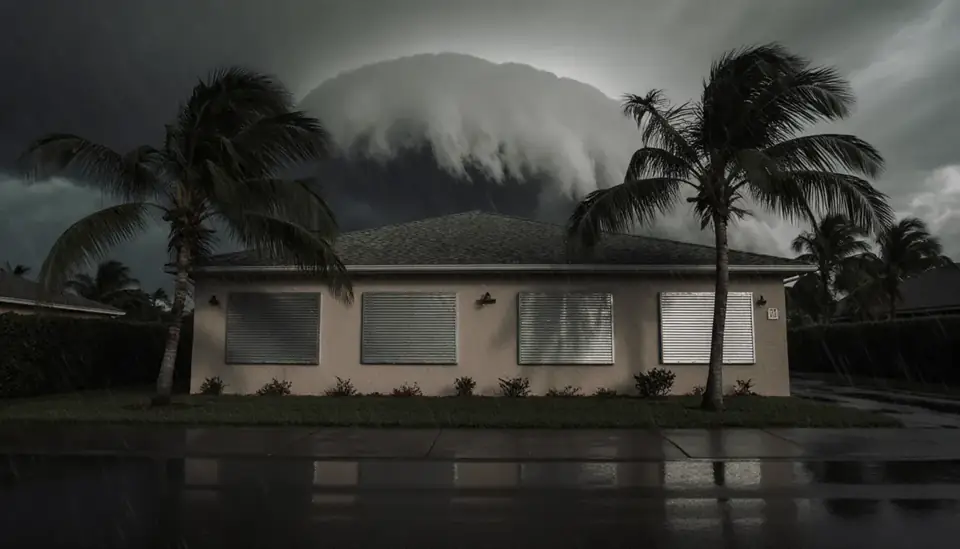
Long Beach occupies a narrow strip of sand between the Pacific and Willapa Bay, a little north of where the Columbia River meets the ocean. The city itself covers just over a square mile, but it takes the brunt of storms rolling in off open water, and it gets close to 80 inches of rain a year, with December and January each averaging more than 12 inches. Nearly 40 percent of homes were vacant at the 2020 census, many of them beach cottages and rentals that sit empty through the stormiest months.
You pay nothing to use our referral line. Ring (888) 317-9980 at any hour and we will connect you with an independent restoration provider that serves Long Beach and the rest of the peninsula, and you work out the inspection and repairs with them directly.
How the call works: when you call (888) 317-9980, The Restoration Job connects you with an independent restoration provider that serves Long Beach. That provider inspects the damage, explains the scope and quotes the work. The Restoration Job doesn't perform restoration itself. Read our referral disclosure.
Winter Rain on a Sand Peninsula
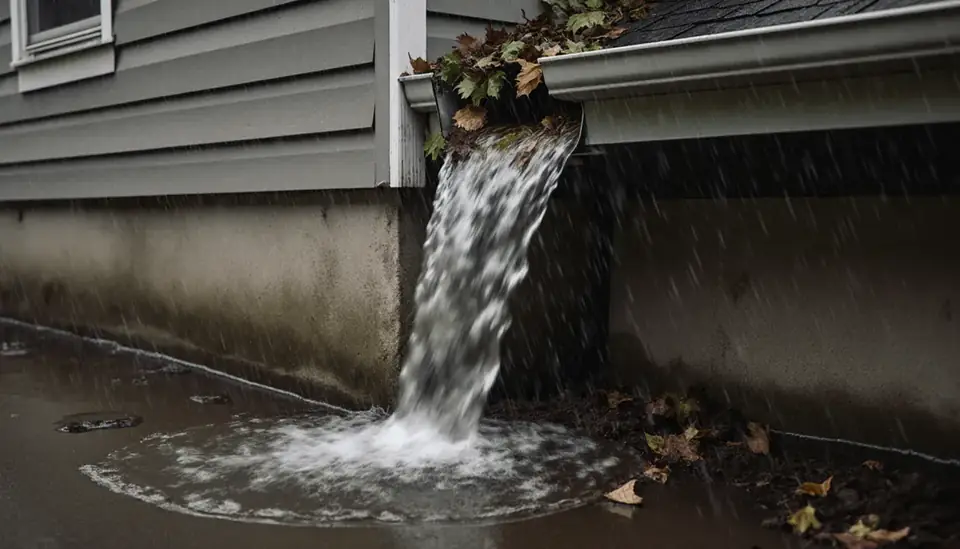
Sand drains well, until it is saturated. During weeks of steady winter rain the water table rises and low spots stop draining, so crawl spaces and ground-level rooms can take on water from below. Heavy rain also overwhelms gutters and finds old roof penetrations, and older cottages often have more than a few of those.
Wet crawl-space insulation and vapor barrier lose their value quickly and hold moisture against floor framing. A provider doing structural drying removes what is ruined, then uses dehumidifiers and air movers to bring joists and subfloors back to normal moisture before anything is closed up.
The 2007 Coastal Gale and Long Power Outages
The storm series that struck from late November into early December 2007 brought a gust of 147 miles per hour at Naselle Ridge, east of the peninsula, and destroyed a transmission tower that left nearly all of Pacific County without power. Outages that last days are where water damage gets worse: sump pumps stop, heat goes off and wet materials cannot be dried.
- Have a plan to keep a sump pump running, such as a battery backup.
- Know how to shut off water at the main and at the water heater.
- Photograph roof, window and ceiling damage before temporary repairs.
- Never run a generator in a garage or near open windows.
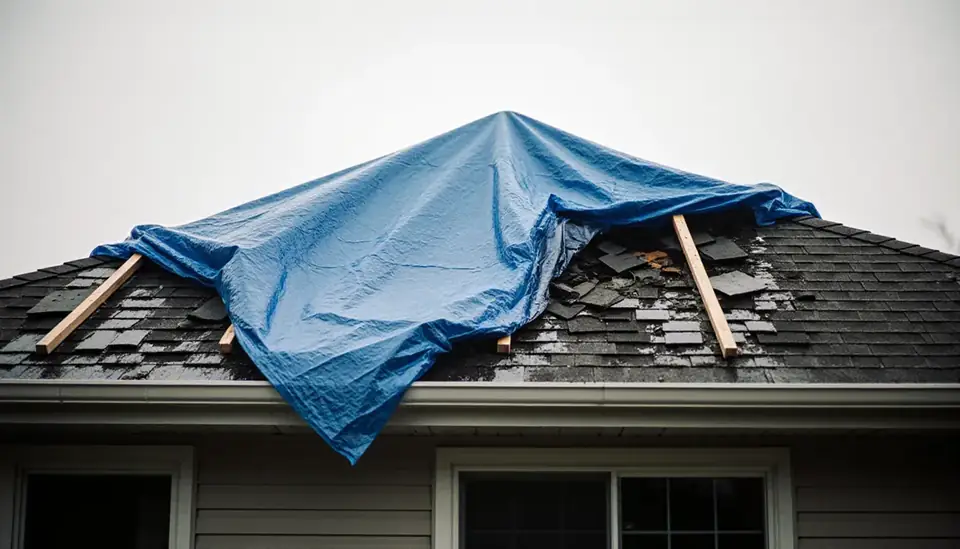
When wind opens a roof or breaks windows, storm damage cleanup covers emergency tarping or board-up, removal of soaked materials and drying.
Beach Cottages and Off-Season Vacancies
Long Beach has been a resort town since the 1880s, and that history shows in its housing: small older cottages, newer vacation homes and rentals, many occupied only part of the year. A leak in an unoccupied house can go on for a long time. Toilet supply lines, water heaters, washing machines and pipes in unheated spaces are the usual culprits. Remote leak sensors, an automatic shutoff valve or simply closing the main when you leave make a big difference, as does someone checking the house after major storms.
Mold Where Marine Air Meets a Closed House
Ocean air on the peninsula is humid most of the year, and a closed house collects that moisture on windows, exterior walls and in closets. Combine that with a slow leak and mold can establish itself before anyone notices. A musty smell when you open the door is often the first sign.
Fix the leak or condensation source and dry the area thoroughly. Light surface growth on a painted wall can be scrubbed. Larger areas, or anything inside walls, under floors or in insulation, is better handled through mold remediation so the work is contained and damaged materials are removed properly.
Tsunami Risk Shapes Everything Here
The peninsula's low elevation puts it at high risk from a Cascadia subduction zone tsunami. Local planners estimate the first waves could reach town 20 to 25 minutes after a magnitude 9 earthquake, which leaves no time to wait for instructions. A planned 32-foot evacuation berm was dropped in 2017 after studies showed it would be too short for a worst-case wave. Use the Washington DNR tsunami maps to learn your fastest route to high ground, and keep insurance papers and photos of your property stored where you can reach them from anywhere.
Areas In and Around Long Beach
The same line also serves nearby communities such as:
- Ilwaco
- Ocean Park
- Raymond
- South Bend
Long Beach Water Damage Questions
Why does my Long Beach crawl space flood when the street looks fine?
On the peninsula, long winter rains can raise the water table in the sandy soil, so water appears from below even when nothing is flowing across the street. Poor gutter drainage makes it worse. A restoration provider can pump out the space, remove wet insulation and dry the framing, and a contractor can look at drainage or a sump system for the long term.
I own a rental cottage and found a leak between guests. What now?
Stop the water, document everything with photos and notify your insurer, mentioning when the home was last occupied or checked. Pull back wet rugs and move furniture off damp floors. Then call (888) 317-9980 and we will connect you with an independent provider serving the Long Beach Peninsula who can extract water and start drying so the unit can reopen.
Is flooding from the ocean or bay covered by my homeowners policy?
Generally not. Rising water from the ocean, Willapa Bay or saturated ground counts as flooding, which requires a separate flood policy. Damage from wind-driven rain through a storm-damaged roof is more often covered by homeowners insurance. Look up your property on FEMA's Flood Map Service Center and read your policy's flood and vacancy terms before storm season.