
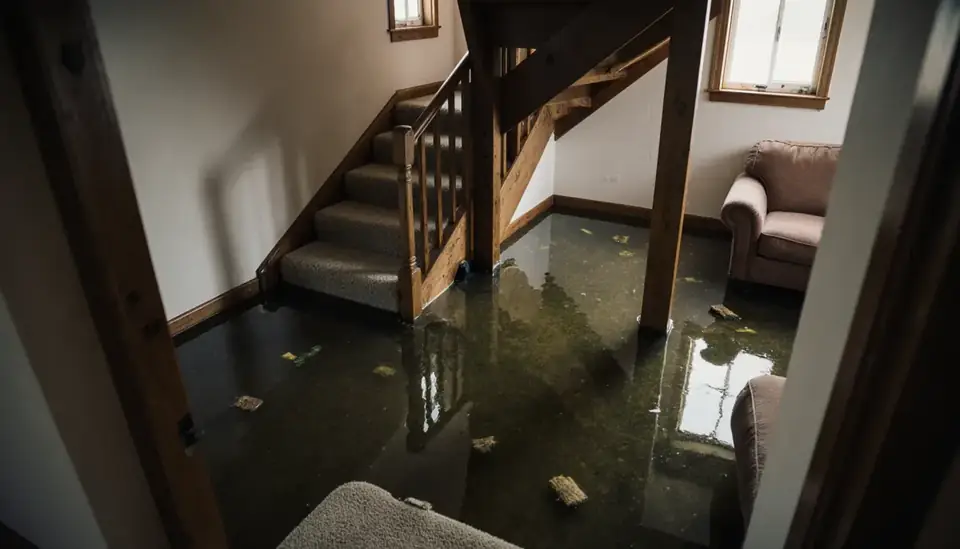
Five miles from the Canadian border and about fifteen north of Bellingham, Lynden gets a wetter and colder version of Whatcom County weather. Average precipitation runs around 41 inches a year, most of it between November and January, and the town averages close to nine inches of snow, more than Ferndale downriver. The Nooksack River runs along a short stretch of the city's southern edge, and levees stand between it and the lower parts of town.
Our free referral line picks up day and night. Call (888) 317-9980 and we'll connect you with an independent provider that handles water damage restoration in Lynden and the surrounding farmland. That company assesses the property and agrees the scope and price with you.
How the call works: when you call (888) 317-9980, The Restoration Job connects you with an independent restoration provider that serves Lynden. That provider inspects the damage, explains the scope and quotes the work. The Restoration Job doesn't perform restoration itself. Read our referral disclosure.
The Nooksack Levees on Lynden's Southern Edge
Levees protect riverside communities along the Nooksack, and Lynden is one of the main ones. During the December 2025 atmospheric river, forecasters expected the river to reach the top of levees near Lynden around December 12. Across Whatcom County that storm damaged an estimated 1,248 homes, and the towns hit hardest were Sumas, Nooksack and Everson to the east.
Earlier floods followed a similar pattern. In November 1990 the Nooksack caused more than $20 million in damage, and in November 2021 hundreds of people in the river basin were evacuated. Lynden was not among the hardest-hit towns in those events, but that is not the same as being out of danger. Homes and farm buildings near the river, and properties with low spots that pond during heavy rain, should be treated as flood-exposed. Check your parcel on FEMA's flood maps and consider whether separate flood coverage makes sense.
Farmhouses, Shops and Barns on the Valley Floor
Lynden grew up around agriculture. Berry farms and dairy and poultry operations spread across the surrounding valley after World War I, and rural properties around town often include detached shops, barns and other outbuildings. Water damage in these settings can involve more than the house:
- Older farmhouses with additions built at different times, where roof valleys and wall joints leak under snow load or wind-driven rain.
- Well pumps and pressure tanks in unheated pump houses that freeze and split during cold snaps.
- Shops and outbuildings with water lines that are rarely checked in winter.
- Crawl spaces under older homes where groundwater rises after long rain.
When something fails in an outbuilding, damage can run for days before anyone notices. A walk-through after every hard freeze is worth the time.
Snow, Northeast Winds and Burst Pipes
January is usually Lynden's snowiest month, and the cold that comes with arctic outflow from the Fraser Valley can freeze plumbing in exterior walls, under kitchen sinks on outside walls and in attached garages. Snow on the roof adds a second problem. When it melts unevenly, water can back up behind ice at the eaves and find its way under shingles into attic insulation and ceilings.
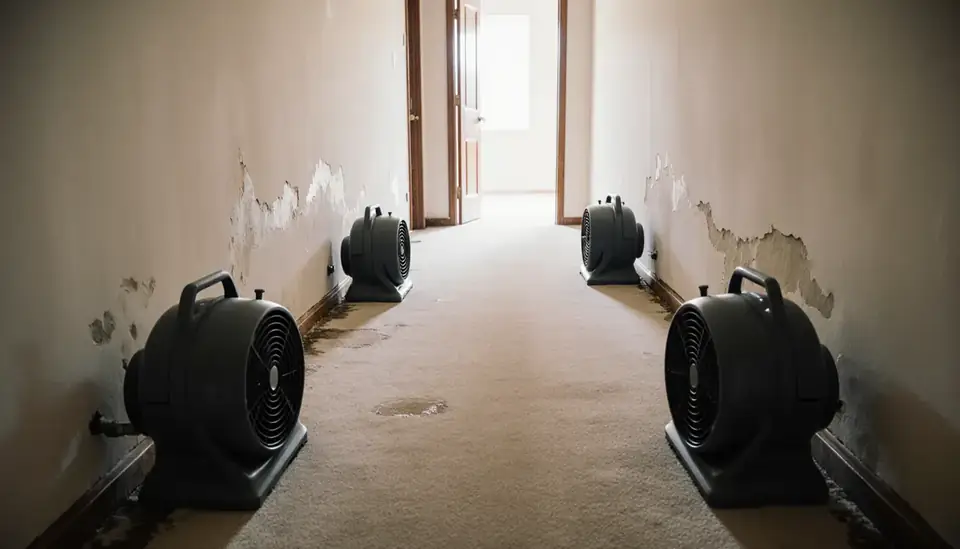
For a burst pipe, shut off the main valve, open a faucet to drain the line and keep the heat on. Pull wet rugs and furniture out of the affected room. If water has soaked into walls or under flooring, a provider offering structural drying can use meters to find where it went and set equipment to dry framing and subfloor in place where possible.
Long Winters, Slow Drying and Mold Risk
Cool temperatures and steady winter rain mean wet materials in Lynden homes do not dry on their own in any reasonable time. Insulation that got wet in a December leak can still hold moisture in March. Mold growth on drywall paper, wood framing and carpet backing is the usual result when drying is left to chance.
A careful drying job includes daily moisture readings, removal of materials that cannot be saved and a final check before walls are closed. Where growth is already present, ask for a mold remediation plan that explains containment and what will be removed. Bleach on the surface does not fix growth inside a wall cavity.
Practical Steps Before the Next Storm Season
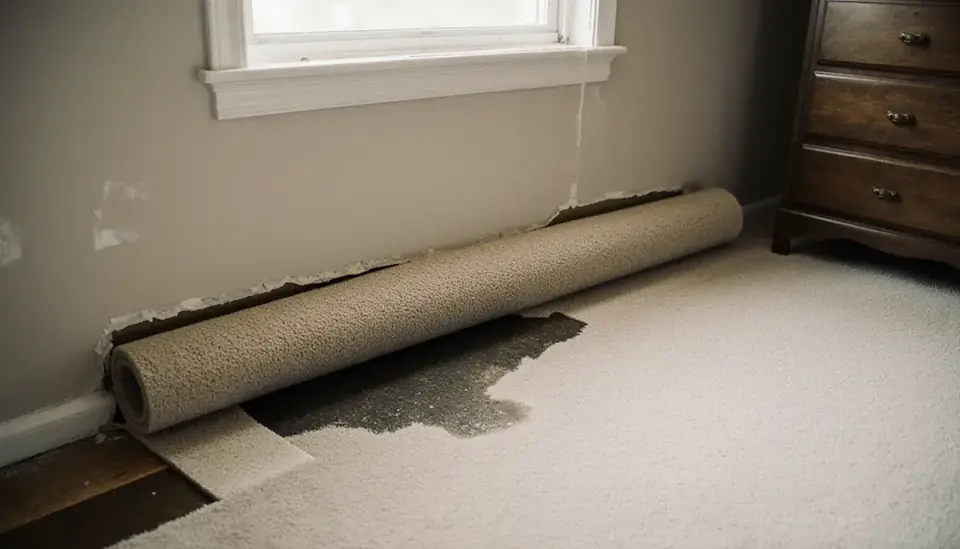
Preparation in north Whatcom County is mostly about time. Sign up for county alerts through Whatcom Ready, know where your water main and electrical panel are, and keep important papers above the floor. Photograph rooms and major belongings each fall so you have a baseline for any claim. If you are below the levees, have a plan for moving vehicles and livestock to higher ground. For statewide context on river floods, see our Washington service area page.
Where Callers in the Lynden Area Are
The same line also serves nearby communities such as:
Common Questions
Is Lynden at risk when the Nooksack floods?
Parts of it can be. The river runs along a short section of the city's southern boundary and levees protect the town. In December 2025 the river was forecast to reach the top of levees near Lynden. Properties near the river and in low areas are most exposed. Check FEMA flood maps and county river forecasts during heavy storms.
Does homeowners insurance cover a farm outbuilding that flooded?
Coverage depends on the policy. Homeowners and farm policies typically exclude rising surface water, which needs separate flood insurance, and outbuildings may have their own limits. Sudden plumbing failures are treated differently from river or groundwater flooding. Document the damage with photos before cleanup and ask your agent how each structure is covered.
Why does my Lynden home get more snow-related leaks than friends in Bellingham?
Lynden averages about nine inches of snow a year, and its inland position away from the bay tends to hold cold air longer. Snow that lingers and then melts unevenly can form ice at the eaves, pushing meltwater under shingles. Good attic insulation and ventilation help keep the roof deck cold and reduce this.