
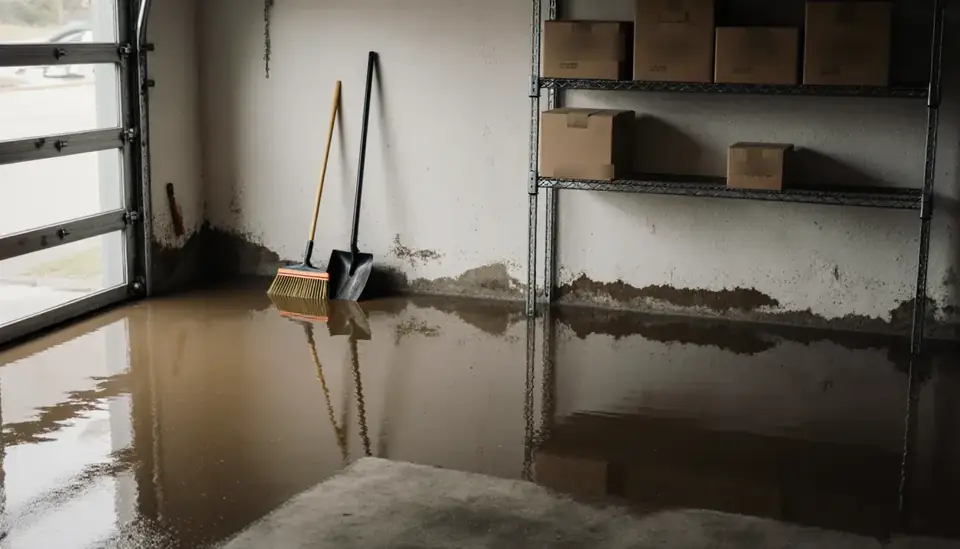
The Skagit River runs straight through downtown Mount Vernon, and the city has been building defenses against it since the first dike went up after a large flood in 1894. The newest piece is a permanent floodwall along the downtown riverfront, finished in 2019 after years of relying on a removable barrier the city bought in 2007. That wall has been tested hard: the river ran near record levels in November 2021, then set a new mark of just under 38 feet at the Mount Vernon gauge on December 12, 2025, after evacuation orders covered parts of the city.
Most water damage here still comes from ordinary sources, such as a split supply line, a failed water heater or a roof that gave way during a long November soak. Whatever the cause, The Restoration Job can help you find someone. Call (888) 317-9980 at any hour and we will connect you with an independent restoration provider that works in Skagit County. That company inspects, quotes and does the work with you directly.
How the call works: when you call (888) 317-9980, The Restoration Job connects you with an independent restoration provider that serves Mount Vernon. That provider inspects the damage, explains the scope and quotes the work. The Restoration Job doesn't perform restoration itself. Read our referral disclosure.
Living Beside a River That Crests at 28 Feet and Beyond
Skagit County treats 28 feet at the Mount Vernon gauge as Phase 3 flood stage, and county records show the river has passed flood stage more than 60 times in a century. Recent highs make that threshold look modest. The gauge recorded about 32 feet in 1990, about 37 feet in November 2021 and nearly 38 feet in December 2025, with Thanksgiving 2017 bringing another round of flooding in between.
Because downtown sits behind the floodwall and much of the rest of the city sits on higher ground east of Interstate 5, a big crest does not mean every home takes on water. The bigger threats for many households are indirect: groundwater pushing into crawl spaces, storm drains that cannot discharge into a swollen river, and sewer lines under stress. The county's own 100-year flood assessment warns that the city's wastewater treatment plant would be under water in such an event and that roughly 40 percent of the local sewage system could be damaged.
Sewer Backups and Crawl Space Water After a High Crest
Sewage that comes up through a floor drain, toilet or shower is a different job from clean water from a broken pipe. It contains bacteria and has to be removed, not just dried. Porous materials it touched, such as carpet, pad and the lower part of drywall, usually go to the landfill. If that happens in your home, ask for sewage cleanup specifically, so the provider brings the right protective gear and disinfectants.
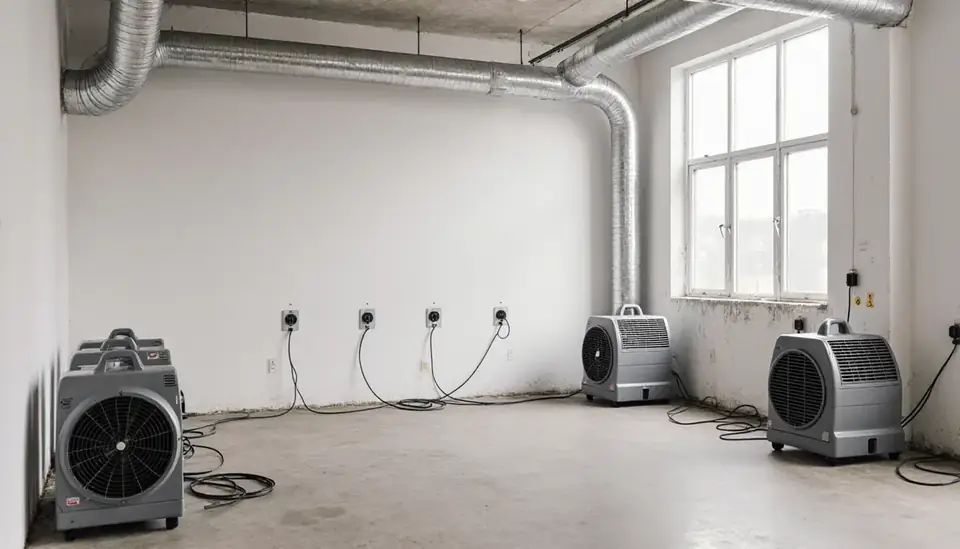
Crawl spaces deserve their own inspection after a wet winter. Standing water under a house can soak insulation, wet the floor framing and raise humidity in the rooms above for weeks. A provider will typically pump out the water, pull down saturated insulation, and run dehumidifiers and air movers until the wood reads dry on a moisture meter.

What to Do in the First Days After River or Rain Water Gets In
- Stay off the property until officials say it is safe. Follow Skagit Ready alerts and the county's river level hotline at (360) 416-1404, which is updated daily during flood season.
- Document everything before tear-out. Photos of water lines on walls, damaged contents and the meter readings a provider takes will matter for any claim or assistance application.
- Check your coverage. Standard homeowners policies exclude flooding. National Flood Insurance Program policies generally need 30 days to take effect, so a policy bought during a flood watch will not help this time.
- Ask about debris options. After recent floods Skagit County has accepted flood debris such as drywall, insulation, flooring and furniture for free at sites in Mount Vernon. Confirm current terms before hauling.
Fast water extraction followed by measured drying is what keeps a wet room from becoming a mold job.
Damp Winters, Dry Summers and the Mold Window
The city averages about 33 inches of precipitation a year, but it arrives unevenly: close to 5 inches in a typical November and barely over an inch in July. That pattern means wall cavities and subfloors that get wet in late fall may stay cool and damp for months, which is the condition mold likes. Visible growth often shows up on the back of baseboards, under vinyl flooring and on the paper face of drywall long after the surface looks fine.
Mold removal in Mount Vernon usually starts with finding and stopping the moisture source, then removing affected material behind containment, cleaning the framing and drying it fully before anything is closed back up. Painting over growth or spraying it without drying the structure tends to bring it back.
Older Downtown Buildings and Neighborhoods East of I-5
Interstate 5 was cut through the middle of town decades ago, separating downtown from most of the residential district. Downtown's older commercial buildings face the river and often have basements, shared walls and plumbing that runs between tenants, so a leak in one space can travel. Residential areas such as Baker Heights deal more with roof leaks, failed washing machine hoses and water heaters. For a business, it helps to ask any provider about drying plans that let part of a building stay open. For broader water damage restoration, the same steps apply: stop the source, extract, dry, then rebuild.
Neighbors in Burlington share the same river and the same flood calendar, and the Washington service area page covers statewide patterns.
Mount Vernon Neighborhoods and Surrounding Towns
Calls come in from across Mount Vernon, including:
- Downtown
- Baker Heights
The same line also serves nearby communities such as:
- Burlington
- Sedro-Woolley
- Anacortes
- La Conner
Common Questions
Does the downtown floodwall mean my Mount Vernon home is safe from flooding?
No. The floodwall completed in 2019 protects the downtown riverfront, and it helped during the near-record crests of 2021 and 2025. Homes elsewhere can still take on water from groundwater, overwhelmed storm drains, sewer backups or local drainage. Check your address on FEMA's flood maps, sign up for Skagit Ready alerts, and do not assume flood coverage is included in a homeowners policy.
How do I know when the Skagit River is getting dangerous?
Skagit County runs a river level hotline at (360) 416-1404 that is updated daily in flood season, and the county lists Phase 3 flood stage at the Mount Vernon gauge as 28 feet. The National Weather Service office in Seattle issues flood watches and warnings. Crests in 2021 and 2025 ran roughly 9 to 10 feet above that threshold.
Water came up through my basement floor drain during the flood. Is that sewage?
Treat it as contaminated. During high water, storm and sanitary systems in low parts of the city can back up, and the county's own flood assessment expects heavy damage to local sewer infrastructure in a major flood. Keep children and pets away, avoid running fixtures, and ask a restoration provider for sewage cleanup rather than standard drying.
Who pays for flood damage if I don't have flood insurance?
Homeowners policies usually exclude river flooding, though sudden pipe bursts are often covered. After declared disasters, FEMA, the Small Business Administration and Washington State have offered assistance, and Skagit County posts current contacts on its flood recovery page. Keep photos, receipts and a provider's moisture readings to support any application.