

Tuscaloosa grew at the head of navigation on the Black Warrior River, the spot on the Fall Line where the Appalachian uplands drop to the Gulf Coastal Plain. Ten of the city's 72 square miles are water, including all of Lake Tuscaloosa, the reservoir on the North River that supplies its drinking water. Add about 53 inches of precipitation a year and a long record of violent spring storms, and water damage here is less a question of if than of what kind.
Call The Restoration Job at (888) 317-9980, a free line that is answered 24/7, and we'll connect you with an independent restoration provider that serves Tuscaloosa, from Downtown and the University area to the neighborhoods north of the river. We are a referral service; the provider you talk with does the restoration work.
How the call works: when you call (888) 317-9980, The Restoration Job connects you with an independent restoration provider that serves Tuscaloosa. That provider inspects the damage, explains the scope and quotes the work. The Restoration Job doesn't perform restoration itself. Read our referral disclosure.
April 27, 2011 and the City's Tornado Record
The EF4 tornado of April 27, 2011, with winds estimated at 190 mph, carved a path more than 80 miles long and up to 1.5 miles wide from Greene County through Tuscaloosa toward Birmingham. Forty-four people died in the Tuscaloosa area, more than 1,500 were injured along the full path, and neighborhoods including Rosedale, Forest Lake, Cedar Crest, Alberta City and Holt were devastated. It was one of 29 tornadoes the National Weather Service confirmed in central Alabama that day.
It was not an isolated event. The city was struck by an F2 in January 1997, a deadly F4 in December 2000 that killed eleven people, and an EF3 less than two weeks before the 2011 disaster. Tornado preparedness is part of life here, and so is dealing with the rain that pours through storm-damaged roofs afterward.
Rain Through a Damaged Roof: The First 48 Hours
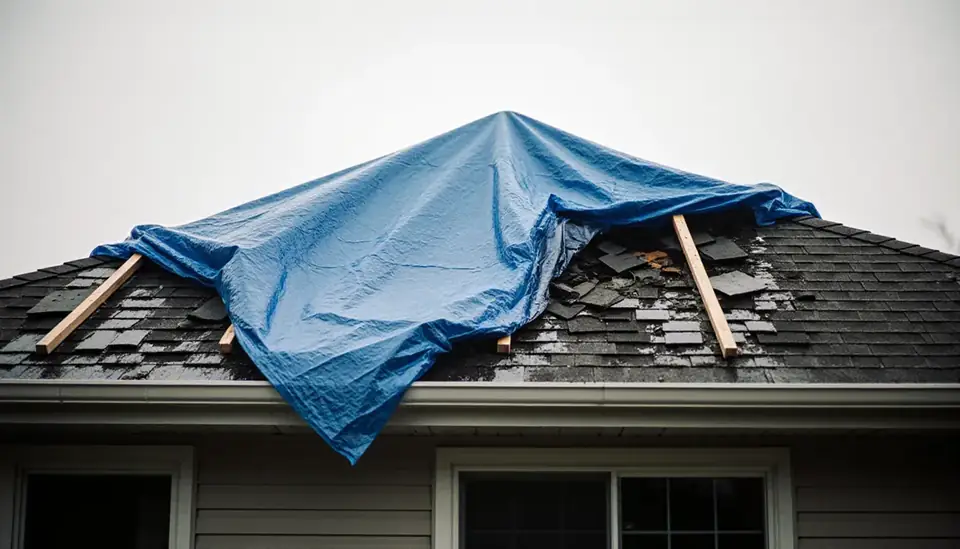
Most homes affected by a big storm are not destroyed; they are opened up. A missing section of shingles, a tree through the eaves or blown-out windows can let in water for days while crews and tarps are in short supply. In that window:
- Cover openings as soon as it is safe, and photograph them first
- Remove wet rugs, furniture and boxes from the affected rooms
- Push up sagging ceiling drywall only after moving people away, or leave it for a professional
- Get wet attic insulation removed so the ceiling can dry
A storm damage cleanup provider can then dry framing and decking before roofing and drywall repairs close everything up.
Living Along the Black Warrior and Its Tributaries
The Black Warrior River runs between Tuscaloosa and Northport, with Oliver Lock and Dam just west of downtown. The North River enters about a mile northeast of the city, and Hurricane Creek is another Black Warrior tributary in the county. Low ground along any of these streams, and along smaller ditches and branches in town, can flood during prolonged heavy rain.
Flooding from rising water is excluded from standard homeowners policies, so a separate flood policy is the only protection for it, usually with a 30-day wait before it starts. Floodwater is contaminated, and flood cleanup means removing porous materials it touched, disinfecting, and drying thoroughly before rebuilding.
Student Rentals, Apartments and Shared Walls
With the University of Alabama at its center, Tuscaloosa has a large rental market. In apartments and duplexes, water rarely stays in one unit: an overflowing tub or a failed washer upstairs ends up in the ceiling below. Tenants should report leaks to the landlord or property manager in writing, photograph damaged belongings, and check whether they carry renters insurance, since the owner's policy generally covers the building, not a tenant's possessions. Landlords benefit from fast drying too, because a leak left over a school break can turn into a mold job.
Humidity and Mold in West Alabama
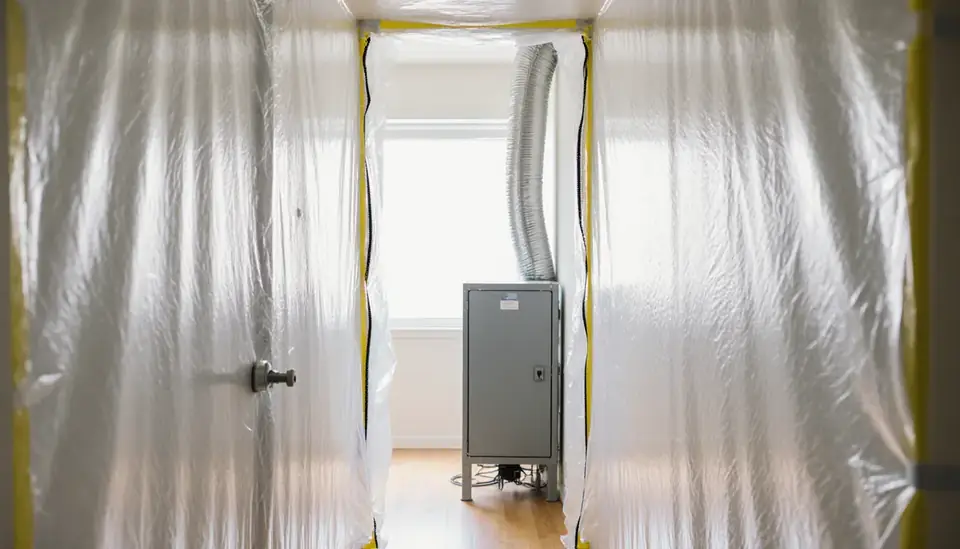
Tuscaloosa summers are hot and humid, and the air itself slows drying. Drywall, carpet pad and wood that stay wet more than a day or two can support mold, especially in closed rooms, closets and crawl spaces. Run the air conditioning, keep the affected area closed off and get dehumidifiers running. When mold is already visible over a wide area or keeps returning, mold remediation with containment and removal of affected material is the right step, after the moisture source is fixed.
Neighborhoods and Nearby Communities
Calls come in from across Tuscaloosa, including:
- Downtown
- Alberta City
- Forest Lake
- Rosedale
- Cedar Crest
- Hillcrest
- North River
- West Tuscaloosa
The same line also serves nearby communities such as:
- Northport
- Holt
- Coker
- Brookwood
- Moundville
- Vance
- Lake View
Frequently Asked Questions
Is Tuscaloosa's flood risk mostly from the Black Warrior River?
The river matters most for property near its banks and near the mouths of the North River and other tributaries, but many water losses in town come from heavy rain overwhelming drainage, roofs and plumbing. Check your address on the FEMA Flood Map Service Center to see your flood zone, and remember that homeowners insurance does not cover rising water.
My upstairs neighbor's leak damaged my apartment ceiling. Who pays?
The building owner is usually responsible for repairing the structure, while your own renters policy, if you have one, covers your belongings. If the neighbor's negligence caused the leak, insurers may sort out responsibility between them. Report it to your landlord in writing right away, photograph everything, and keep damaged items until the claim is settled.
How long does it take to dry a home after a storm leak?
For typical drywall, insulation and framing, drying commonly takes three to five days once equipment is in place, longer for hardwood floors, plaster or crawl spaces. Tuscaloosa's summer humidity can stretch that. A provider should take daily moisture readings and keep a log, so you and your adjuster know when materials are dry enough for repairs.
Where do I get official storm warnings for Tuscaloosa?
The National Weather Service office in Birmingham issues warnings for Tuscaloosa County, and the Alabama Emergency Management Agency offers preparedness information and its ALert notification service. Turn on emergency alerts on your phone and have a weather radio as a backup, especially for storms that arrive overnight.