

Coronado is technically a tied island, joined to the mainland by the narrow Silver Strand and sitting only about 16 feet above sea level. Three quarters of the area inside city limits is water. Parts of the town aren't even original land: the Country Club area on the northwest side and the Glorietta area on the southeast were built on material dredged from San Diego Bay, and the Spanish Bight that once separated Coronado from North Island was filled in by 1944. Add the canal-front homes of Coronado Cays along their seawalls, and you have a community where groundwater, tides and storm runoff are never far below the floor.
We don't do restoration work in Coronado or anywhere else. Our free 24-hour line, (888) 317-9980, connects homeowners, condo owners and property managers with independent restoration providers that serve Coronado, and the provider you speak with handles assessment and repairs.
How the call works: when you call (888) 317-9980, The Restoration Job connects you with an independent restoration provider that serves Coronado. That provider inspects the damage, explains the scope and quotes the work. The Restoration Job doesn't perform restoration itself. Read our referral disclosure.
Building on Bay Fill and Near the Water
Low, flat ground drains slowly. During heavy rain, Coronado relies on storm drain lines and storm pump stations maintained by the city to move water off streets. When a downpour outpaces that system, water pools in low spots and can reach garages, ground-floor rooms and lower-level parking. Homes on dredged fill and along the bay have little room between the slab and the water table, so a wet yard can stay wet for days.
For storm drain problems or street flooding, the city's Public Services line is 619-522-7380 during business hours, and the police non-emergency line, 619-522-7350, after hours.
Coronado Cays: Seawalls and Flood Maps
The Cays sit on channels off South San Diego Bay, with many homes built right to the seawall. When FEMA's flood maps were revised, the city worked with FEMA to correct mapping along those seawalls, and the updated Flood Insurance Rate Maps took effect on January 17, 2013. Some owners who had been told they needed flood insurance were found to be outside the flood zone afterward.
If you own in the Cays, look up your current flood zone rather than relying on what a past owner or lender said, and remember that a mortgage requirement and actual risk are two different things. Even outside a mapped zone, a separate flood policy is the only coverage most people have for rising water.
Historic Cottages, Grand Homes and Sewer Laterals
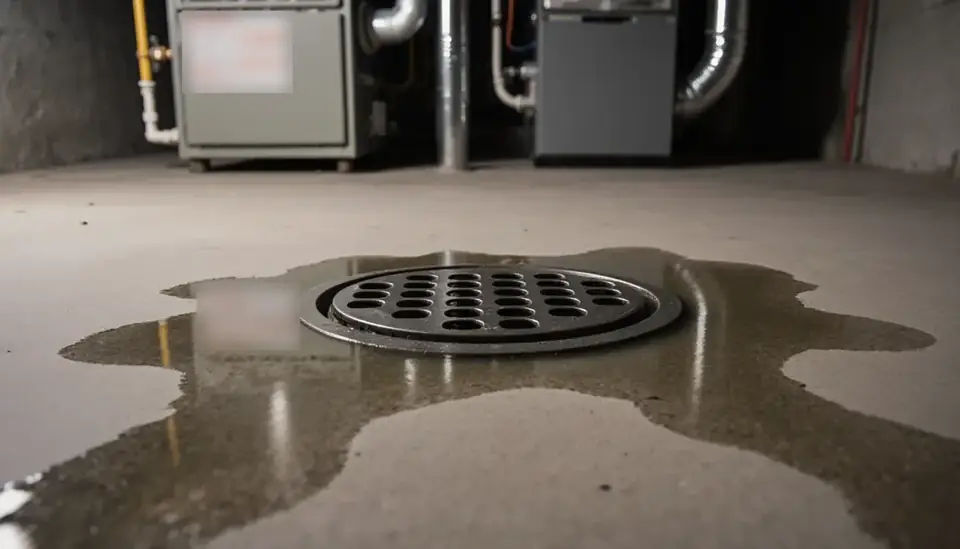
Coronado has a long building history, starting with the Hotel del Coronado in 1888, and the city runs a historic preservation program with Mills Act agreements for designated homes. Older houses can have original plumbing, aging drain lines and decades of remodeling layered on top. The city places responsibility for the sewer lateral, from the house up to and including the connection to the city main, on the property owner. A cracked or root-filled lateral is a common cause of backups into the lowest drains in a house.
When sewage comes up through a floor drain or tub, treat it as a contamination job. Sewage cleanup involves removal of affected porous materials and disinfection before drying, and the lateral itself needs a plumber's inspection so it doesn't happen again.
Restoring a Coronado Home Without Losing What Matters
For owners of designated or older homes, the goal is to dry original materials in place whenever it's safe: hardwood floors, plaster, built-in cabinetry and trim. Ask the restoration provider about targeted drying methods and how they will protect features that can't be replaced. Check with the city before changing anything on a designated historic resource.
In condos and multi-unit buildings, a leak that starts in one unit can travel into several. Notify the association promptly, document the source, and let the provider map moisture in every affected unit. Our water damage restoration page outlines what a full job typically includes, from extraction to final moisture checks.

Marine Air and Hidden Mold
Surrounded by ocean and bay, Coronado has steady humidity, and wet materials don't dry on their own as quickly as they would inland. Mold tends to develop out of sight: behind baseboards, inside wall cavities after a slow leak, or under flooring that was never fully dried. Many owners notice an earthy, stale odor before they ever see a spot. Find and fix the moisture source, then remove the growth with proper containment so spores aren't spread to the rest of the house.
Coronado Neighborhoods and Surrounding Towns
Calls come in from across Coronado, including:
- Coronado Cays
- Country Club
- Glorietta
The same line also serves nearby communities such as:
Questions From Coronado Property Owners
Who is responsible for a sewer backup in a Coronado home?
The city's rules put the sewer lateral, the pipe from your house to and including the connection at the city main, on the property owner. If a backup comes from a blocked or broken lateral, repairs are the owner's responsibility. If you suspect the problem is in the city main, report it to the city right away and document everything.
My Coronado Cays home was once in a flood zone. Is it still?
Maybe not. The city worked with FEMA to correct mapping along the Cays seawalls, and the revised maps took effect in January 2013. Some owners who had bought flood insurance were later found outside the mapped zone. Check your parcel on FEMA's Flood Map Service Center and ask your agent before dropping coverage.
Can water-damaged hardwood or plaster in an older home be saved?
In many cases, provided the water was clean and drying began within a day or two. Providers use targeted airflow, dehumidification and moisture monitoring to dry materials in place. Hardwood that has cupped badly or plaster that has separated from its lath may still need repair. Contaminated water from sewage or storm flooding usually rules out saving porous materials.