
Escondido sits in an inland valley about 650 feet above sea level, and it gets noticeably more rain than the coast, roughly 15 inches in an average year. Escondido Creek carries that water through the middle of town. It begins at Lake Wohlford Dam in the northeast, runs past downtown and eventually reaches the ocean at San Elijo Lagoon. In the 1960s the city turned the creek into a concrete flood control channel, with a bike path along its banks, so the creek you see today is an engineered drain as much as a stream.
Water damage here tends to follow two patterns: storm water that finds its way into homes on the valley floor or at the base of the surrounding hills, and plumbing failures in a housing stock that ranges from 1890s Victorians to recent subdivisions. The Restoration Job connects callers with independent restoration providers serving the city. Call (888) 317-9980 any time; the provider you are connected with handles inspection and pricing, and many offer emergency service.
How the call works: when you call (888) 317-9980, The Restoration Job connects you with an independent restoration provider that serves Escondido. That provider inspects the damage, explains the scope and quotes the work. The Restoration Job doesn't perform restoration itself. Read our referral disclosure.
Valley Rain, Hillside Runoff and Escondido Creek
More than 80 percent of the valley's rain falls from November through March, and totals swing hard from year to year. The 1940-41 season brought 31.73 inches; 2013-14 brought less than six. Wet years are the ones to plan for. Homes in the flat neighborhoods near downtown sit close to the creek channel and the storm drains feeding it, while houses on the hills to the north, southeast and southwest get runoff from slopes, driveways and graded pads above them.
Common storm-season entries include water under garage doors, through sliders that face a slope, and through block walls where drainage behind them is poor. Clearing yard drains and gutters before the first storm, and checking FEMA's flood map for parcels near the channel, are the most useful steps an owner can take.
Old Escondido's Victorian and Craftsman Homes
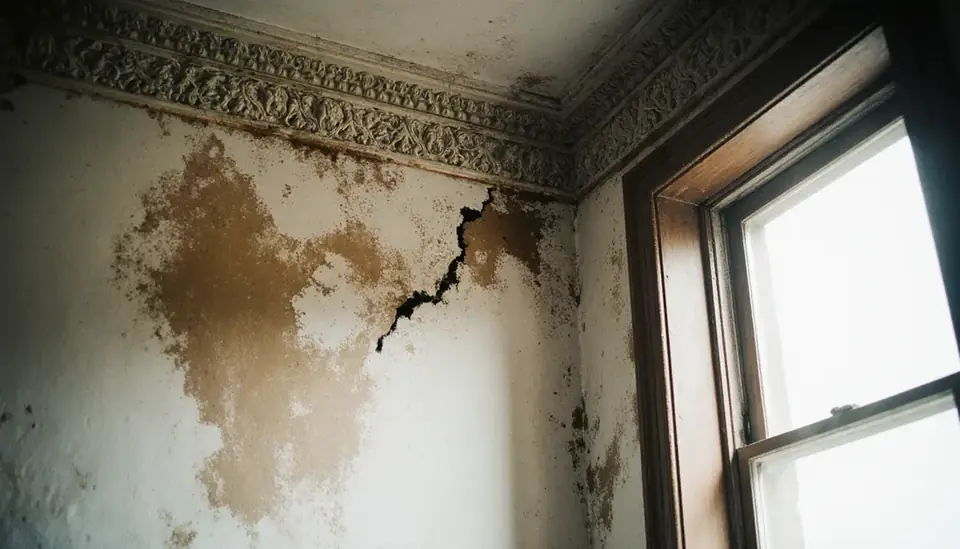
The Old Escondido Historic District is filled with Victorian and Craftsman houses built in the late 1800s and early 1900s. Homes of that era often stand on raised foundations, with plaster walls, original wood floors and plumbing that has been patched and replaced in sections over a century. A slow leak under a bathroom can soak a crawl space and floor joists long before any sign shows indoors. Older roofs and box gutters are another weak point during heavy rain.
Restoration in older houses calls for some care. Plaster and old-growth wood floors can sometimes be dried rather than replaced, and a good provider will try to save original material where moisture readings allow. If the house may contain lead paint or asbestos in older materials, testing should happen before anything is cut out.

Heat, Cold Snaps and Plumbing Stress
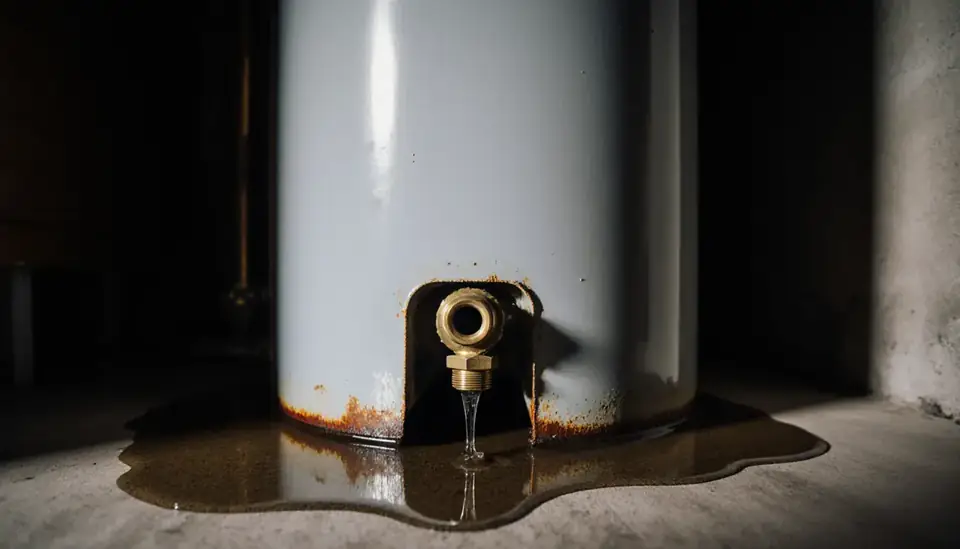
Escondido's inland location brings bigger temperature swings than the coast. The city recorded 115 degrees in September 2020, and historic lows have dropped into the teens. Hard freezes are rare today, but a cold night can still split an exposed hose bib or irrigation backflow device. Summer heat is harder on water heaters, garage plumbing and pressurized supply lines, and a failed water heater in a garage or hallway closet is one of the most frequent indoor causes of damage across the valley.
If a pipe bursts, shut off the main valve first. Then move belongings off wet floors, photograph everything and start drying quickly. Prompt water damage repair after drying usually means replacing baseboards, the lower portion of drywall and any flooring that delaminated or cupped.
From Wet Floors to Finished Repairs
- Stop the source, then remove standing water with pumps and extraction units.
- Map moisture in walls, subfloors and cabinets, including crawl spaces in older homes.
- Remove saturated carpet pad, insulation and drywall that cannot be dried.
- Dry the structure with dehumidifiers and air movers, recording readings daily.
- Rebuild once materials are confirmed dry.
Provider-run structural drying in a typical house takes a few days. Older homes with thick plaster or hardwood can take longer.
Mold in a Warm Inland Valley
Inland air is drier than the coast, which helps, but warm temperatures speed mold growth once materials are wet. Crawl spaces, the backs of cabinets and wall cavities behind showers are the usual hiding places. A musty smell after a leak, or after a wet winter in an older home, is reason to have the space inspected. Mold larger than a small patch should be removed with containment, and the moisture source must be fixed or the growth will return.
Escondido Neighborhoods and Surrounding Towns
Calls come in from across Escondido, including:
- Old Escondido Historic District
- Downtown Escondido
- San Pasqual Valley
The same line also serves nearby communities such as:
- San Marcos
- Vista
- Valley Center
- Hidden Meadows
- Harmony Grove
- Elfin Forest
Frequently Asked Questions
Does Escondido Creek still flood?
The creek has run through a concrete flood control channel since the 1960s, which carries most storm flows. Severe storms can still overwhelm local storm drains and side streets that feed the channel, and properties close to it may sit in mapped flood zones. Check your address on FEMA's Flood Map Service Center and watch National Weather Service San Diego alerts during heavy rain.
Can the plaster walls in my Old Escondido home be dried instead of torn out?
In many cases, yes, provided the leak was clean water and drying begins within a day or two. Plaster tolerates moisture better than drywall, and providers can use targeted drying and moisture readings to track progress. Plaster that is crumbling, separating from lath or contaminated by flood or sewage water usually has to be removed. Test for lead or asbestos before cutting into older materials.
My water heater in the garage failed. Is that covered by insurance?
Sudden failures, like a tank that bursts, are often covered under homeowners policies for the resulting water damage, though the heater itself usually is not. Slow leaks that went on for a long time may be treated differently. Photograph the unit and the damage, keep the failed part, and contact your insurer early. Ask your adjuster about your specific policy terms.