
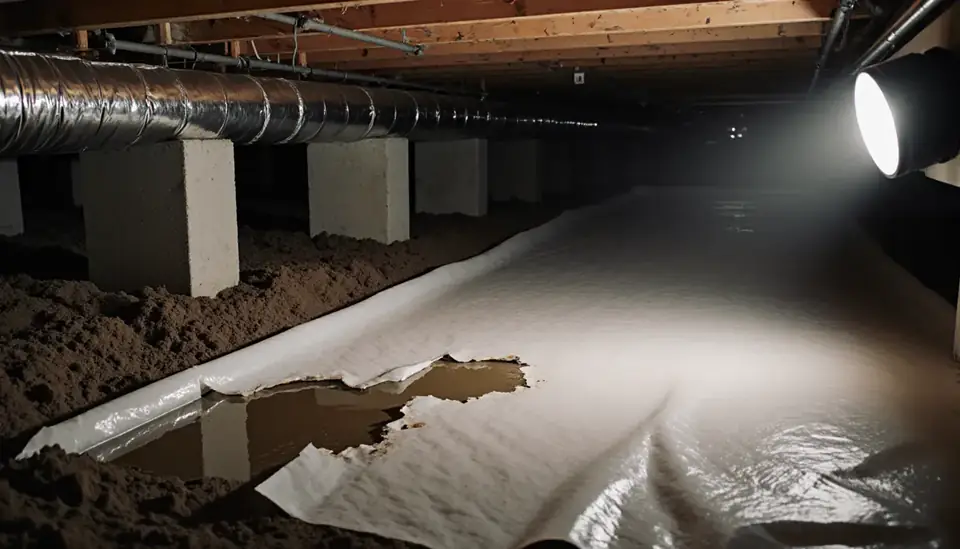
Folsom started as Granite City, a Gold Rush camp in the Sierra foothills, and it still sits higher and rockier than most of Sacramento County. The city lies at about 220 feet, the county's highest point is Carpenter Hill in Folsom, and the town wraps around Lake Natoma with Folsom Lake and its dam just to the north. That position gives Folsom a different set of water problems from the valley floor: more rain, more slope, and a large reservoir upstream rather than a levee next door.
For help right now, The Restoration Job's free 24/7 line at (888) 317-9980 connects you with independent restoration providers serving Folsom and nearby foothill communities. We are a referral service; we don't employ crews or own equipment, and each provider sets its own hours and response.
How the call works: when you call (888) 317-9980, The Restoration Job connects you with an independent restoration provider that serves Folsom. That provider inspects the damage, explains the scope and quotes the work. The Restoration Job doesn't perform restoration itself. Read our referral disclosure.
Living Below Folsom Dam
Folsom Dam, finished in the mid-1950s just north of the city, is the main flood-control structure protecting Sacramento on the American River. It has been tested hard. In 1986 a peak of about 250,000 cubic feet per second poured into the reservoir and operators opened every spillway gate. In 1997 roughly a million acre-feet flowed into the lake over five days, about equal to its full capacity, and releases were held under 110,000 cubic feet per second. An auxiliary spillway completed in October 2017 added capacity, and a project to raise the dam is under way.
Besides the main dam, the reservoir is held by two earthen wing dikes and nine saddle dams along its west and southeast sides. For most Folsom homeowners the practical takeaway is to know your neighborhood's evacuation routes and keep emergency alerts turned on, while recognizing that day-to-day water damage here rarely has anything to do with the lake.
Foothill Rain, Slopes and Runoff Against the House
Folsom averages around 25.8 inches of precipitation a year, noticeably more than the valley floor, and nearly all of it falls in the cool season. On sloped lots, water that runs off a hillside, a driveway or a neighbor's yard can end up against a foundation wall, a lower-level room or a garage door.
- Keep gutters and downspouts clear and extend downspouts well away from the house
- Make sure yard drains and swales on the uphill side are not blocked by landscaping or debris
- Check the base of walls on the uphill side after the first big storm each season
- Watch retaining walls for seepage or bulging
Sutter Street Buildings and Folsom Ranch Construction
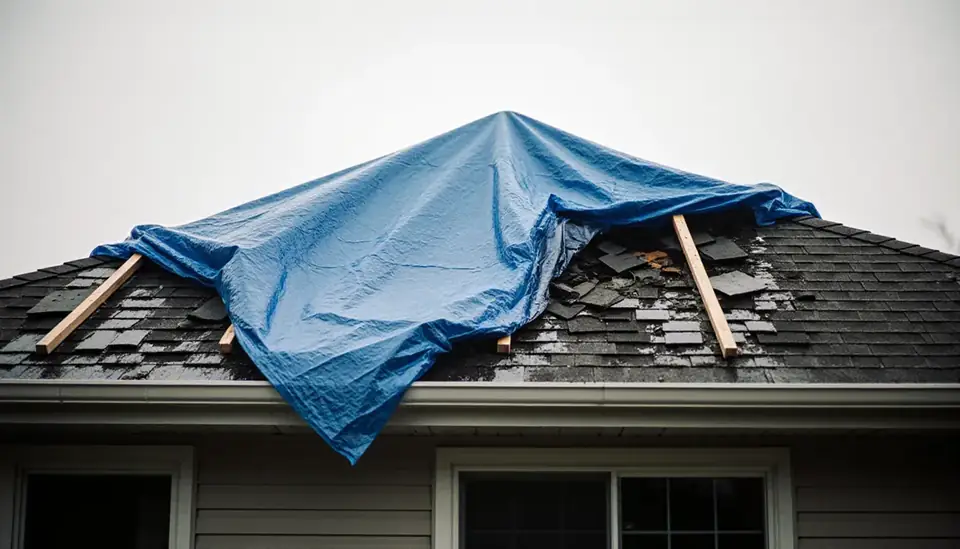
Folsom's housing spans more than a century and a half. The historic district along Sutter Street includes older commercial buildings and homes whose roofs, plumbing and foundations have been repaired and modified many times, and leaks there often travel along old framing in unexpected ways. At the other end, the Folsom Plan Area south of Highway 50 is planned for about 11,000 new homes. New construction has its own early failures: a fitting that wasn't fully tightened, a missed seal around a shower pan, or a sprinkler line nicked during landscaping. Report leaks in a new home to the builder quickly and in writing, since warranty claims usually depend on prompt notice.
What a Restoration Provider Does in a Multi-Level Foothill Home
The first steps are the same anywhere: stop the source, extract standing water and figure out how far moisture has spread. In a house built into a slope, water from an upstairs bathroom or laundry often shows up two floors down, so a good inspection follows the path all the way. Drywall and insulation that soaked up water are usually cut out, and the cavity behind is dried with air movers and dehumidifiers. Thorough water damage restoration includes moisture readings that show the framing has returned to normal before walls are closed up. When rain or runoff brought mud and debris in from outside, storm damage cleanup adds cleaning and disinfection.
Cold Nights, Hot Summers and Mold Risk
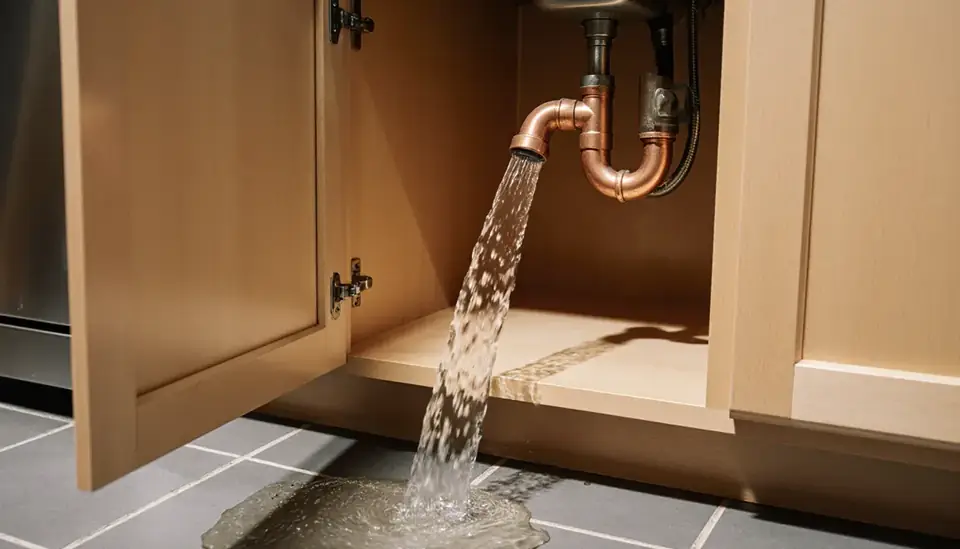
January nights here average around 38 degrees, so a cold snap can occasionally freeze exposed hose bibs, irrigation backflow devices and pipes in unheated spaces. Wrap exposed pipes and disconnect hoses when a freeze is forecast. Summers are the opposite: July highs average in the mid-90s, air conditioners run hard, and a clogged condensate drain can quietly soak a ceiling or closet. Mold needs only moisture and a few days, and a leak hidden behind cabinetry or in an attic during summer can go unnoticed until it smells musty. If you find growth bigger than a small patch, mold remediation with containment keeps spores from spreading to the rest of the house.
Areas In and Around Folsom
Calls come in from across Folsom, including:
- Historic District (Sutter Street)
- Folsom Plan Area
The same line also serves nearby communities such as:
- El Dorado Hills
- Orangevale
- Granite Bay
- Rancho Cordova
- Fair Oaks
- Citrus Heights
Folsom Water Damage Questions
Should homeowners here worry about the dam failing?
The dam has handled the region's largest recent floods, including 1986 and 1997, and was strengthened with an auxiliary spillway completed in 2017, with a raise project in progress. Failure is very unlikely, but it is sensible to sign up for local emergency alerts and know your evacuation routes. Everyday water damage is far more likely to come from plumbing, roofs and runoff.
Rainwater came under the door of my lower-level room. Is that covered by insurance?
Water that flows in from the outside at ground level is generally treated as flooding, which standard homeowners policies usually exclude. A separate flood policy is what typically covers it. Water from a sudden burst pipe or appliance failure is a different category and is often covered. Document the damage with photos and call your insurer early to ask how they classify your situation.
Do pipes really freeze this far into the foothills?
Not often, but it happens. Overnight lows in January average in the upper 30s and a cold snap can push them below freezing. Hose bibs, backflow preventers and pipes in garages or unheated crawl spaces are most exposed. Insulate them, disconnect garden hoses before a cold night, and know where your main shutoff is so you can act fast if a pipe splits.
I just bought a newly built home south of Highway 50 and found a leak. Who do I call?
Contact the builder first, in writing, since many new homes come with a workmanship warranty that covers plumbing defects for a period after closing. If water is actively spreading, shut off the supply and get the area dried right away; waiting days for a warranty visit can let mold start. Keep photos and records of any emergency drying so you can share them with the builder.