
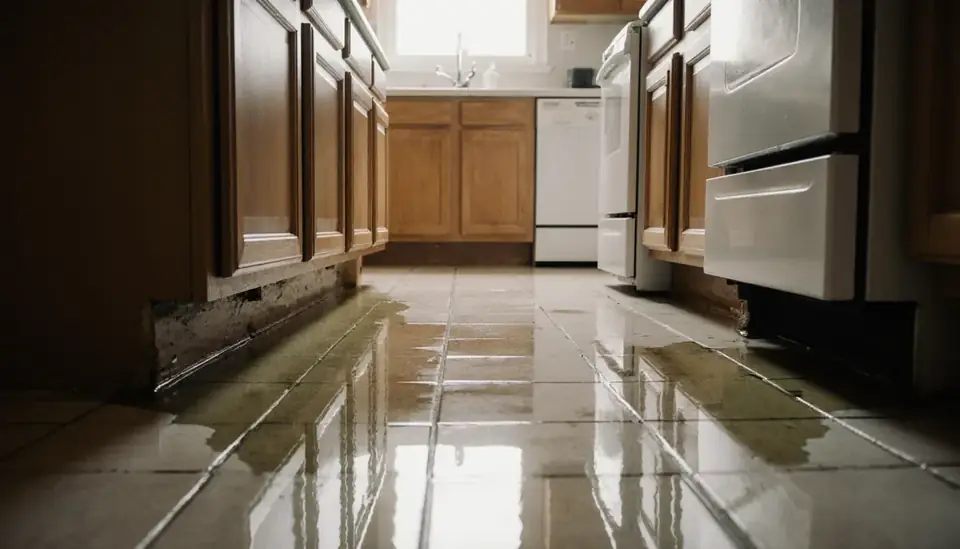
In 1980 about 2,200 people lived in Murrieta. Interstate 15 arrived, the city incorporated in 1991 with roughly 24,000 residents, and between 2000 and 2010 alone the population more than doubled, reaching over 103,000. That compressed growth explains a lot about water damage here: whole neighborhoods were built within a few years of each other, so their roofs, water heaters and plumbing fixtures are aging on the same schedule.
Nobody from The Restoration Job will be pulling up your carpet; it is a free referral line. Call (888) 317-9980, day or night, and we will connect you with an independent restoration provider that covers Murrieta and the surrounding southwest Riverside County communities. Many offer emergency service, though response depends on the company. The sections below focus on what is particular to this valley.
How the call works: when you call (888) 317-9980, The Restoration Job connects you with an independent restoration provider that serves Murrieta. That provider inspects the damage, explains the scope and quotes the work. The Restoration Job doesn't perform restoration itself. Read our referral disclosure.
Two Creeks Through the Murrieta Valley
Murrieta Creek runs southeast through the length of the valley on its way to Temecula, and Warm Springs Creek, a tributary, crosses the city before joining it. Together with their side drainages they carry runoff from a watershed of more than 220 square miles. Most of the year they are quiet. During a run of heavy winter storms they can rise fast, and low-lying streets and properties near the channels are the first to see it.
The Riverside County Flood Control Floodplain Web map shows whether an address falls in a FEMA, state or county floodplain. Check it if you live near either creek, and if you are in or close to a mapped zone, look into a separate flood policy. Homeowners insurance typically excludes flood damage.
A Wetter Corner of the Inland Empire
Murrieta averages over 15 inches of precipitation a year, more than Riverside or Moreno Valley to the north, with December through February the wettest months. That is enough to find any weakness in a roof or a drainage plan. Common storm problems include tile roofs with worn underlayment, flashing around skylights and chimneys, and stucco walls where planters or soil have been built up above the weep screed.
Wind-driven rain also gets in around older windows and sliding doors. After a significant storm, look in the attic, along window sills and at the base of exterior walls inside closets. Catching a small leak early keeps a minor repair from turning into a storm damage cleanup job.
Same-Age Neighborhoods, Same-Age Failures
Because so much of Murrieta was built from the 1980s through the 2000s, many homes are reaching the point where original components wear out. The most frequent indoor sources of damage include:
- Tank water heaters, often in the garage, that rust through and leak across the floor and under the door to the house.
- Braided supply lines to toilets, sinks and washing machines that burst under pressure.
- Ice maker lines behind refrigerators that drip for weeks unnoticed.
- Second-floor bathrooms and laundry rooms leaking through the ceiling below.
- Air conditioning condensate overflowing in attics during long summer cooling seasons.
Replacing an aging heater or a set of supply lines is far cheaper than the drywall, flooring and cabinet work a failure can cause.
Drying a Slab Home Properly
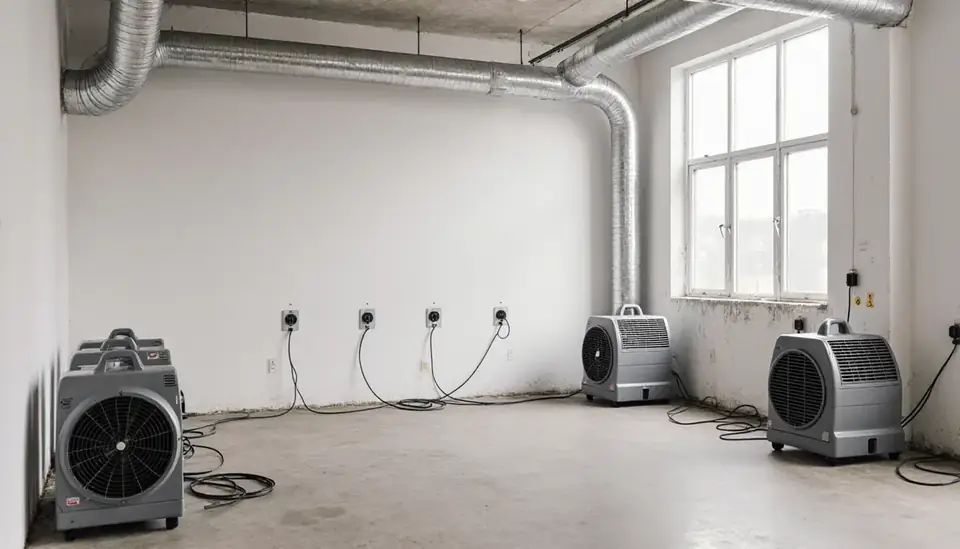
Tract houses from these decades are typically built on concrete slabs, which affects how they dry. Water spreads under flooring and into the bottom of walls, and the slab itself holds moisture. A restoration provider will usually extract water, pull baseboards, remove wet carpet pad, and cut out the lower part of saturated drywall to let the wall cavity breathe. Air movers and dehumidifiers then run while moisture readings are taken daily.
Resist the urge to install new flooring as soon as the surface feels dry. Structural drying should be confirmed with meter readings on the slab, framing and drywall, or the new floor can trap moisture and cup or grow mold underneath.

Slow Leaks and Mold in Murrieta Houses
Mold problems in Murrieta homes usually trace back to slow leaks rather than to the outdoor climate. A drip inside a vanity, behind a refrigerator or under a second-floor tub can keep materials wet long enough for growth to start, especially in summer heat. Riverside County Flood Control advises removing wet contents promptly after any water event to prevent mold. When a leak has gone on for days, have the hidden side of walls and cabinets inspected before closing anything up.
Areas In and Around Murrieta
Calls come in from across Murrieta, including:
- Murrieta Hot Springs
The same line also serves nearby communities such as:
- Temecula
- Menifee
- Wildomar
- French Valley
- Lake Elsinore
- Canyon Lake
Murrieta Water Damage Questions
I live near Murrieta Creek. How do I know my flood risk?
Look up your address on the Riverside County Flood Control Floodplain Web map, which combines FEMA, state and county floodplain designations. Even outside a mapped zone, heavy storms can flood low streets near the creek and its tributaries. Consider a separate flood policy, keep sandbags ready (county fire stations provide up to 10 free), and sign up for Alert RivCo.
My water heater leaked into the garage and under the door. What should I do first?
Turn off the water supply to the heater and shut off its gas or power. Photograph the heater, the garage floor and any wet flooring inside. Pull up rugs near the door and check baseboards and drywall on the house side of the wall, where water often wicks up unseen. A restoration provider can measure how far the moisture spread.
How many days should drying equipment stay in my house?
It varies with how much water there was and what it soaked. A small clean-water leak caught quickly may dry in a few days with equipment running. Larger losses on a slab, or water that ran between floors, can take longer. The finish line is moisture readings that match unaffected areas, not a set number of days.