
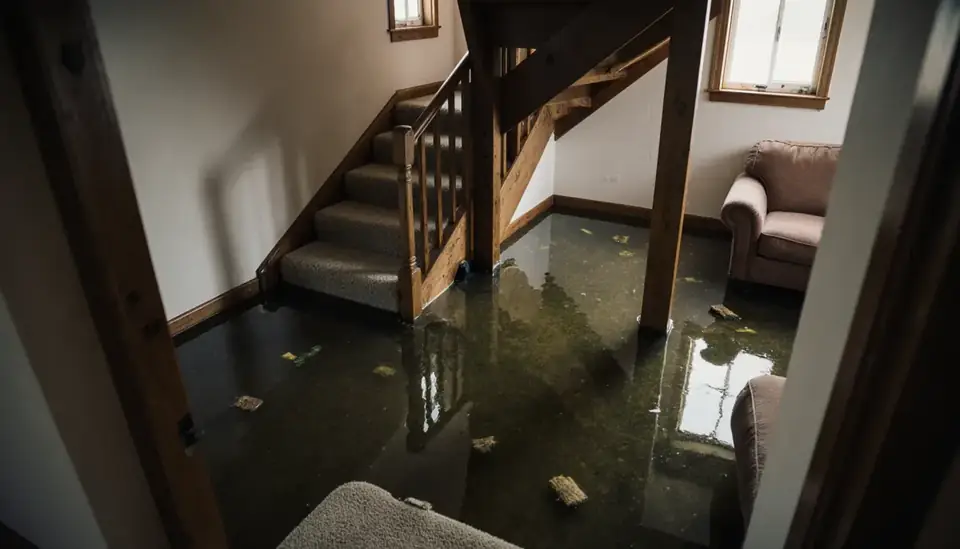
The Napa River has flooded the city more than 20 times since records began in 1865. The worst, in 1986, forced 5,000 people from their homes, destroyed 250 houses and killed three people, and the river overran downtown again in 2005. Below the city the river becomes a tidal estuary on its way to San Pablo Bay, and downtown sits only about 20 feet above sea level. The flood project voters approved in 1998 has changed the picture considerably, but the river, Napa Creek and heavy winter rain still drive much of the water damage people deal with here.
The Restoration Job is a free, round-the-clock phone service at (888) 317-9980 that connects callers with independent restoration providers serving Napa and the rest of the valley. We don't employ restoration workers. Many local providers offer emergency service, but availability depends on the company and on conditions.
How the call works: when you call (888) 317-9980, The Restoration Job connects you with an independent restoration provider that serves Napa. That provider inspects the damage, explains the scope and quotes the work. The Restoration Job doesn't perform restoration itself. Read our referral disclosure.
The Living River Project and What It Changed
After 1986, a community group called Friends of the River built support for a "living river" approach: instead of only raising walls, give the Napa River room to spread out. Voters narrowly passed a sales tax increase in March 1998, construction began in 2000, and the project was finished by 2015 along a six-mile stretch of the river and a mile of Napa Creek. Earlier urban-renewal work had already removed a concrete cover from culverted sections of Napa Creek, bringing it back into daylight.
The work lowers flood risk for downtown and the riverside neighborhoods, but no flood project removes it entirely. Rivers can still overtop during extreme storms, and local drains can still back up when the river and tide are high. Between December 26, 2022 and January 11, 2023, a run of atmospheric rivers dropped more than 11 inches of rain on Napa, a reminder that big storm sequences still happen.
Older Homes, Mid-Century Subdivisions and Wine Country Buildings
Local building stock ranges from older homes close to downtown to mid-twentieth-century subdivisions such as Alta Heights, Westwood and parts of Linda Vista, plus newer tracts and commercial and hospitality buildings. Each has its own weak points:
- Older homes on raised foundations: crawl spaces that collect water, plaster walls and old wood floors that need slow, careful drying.
- Mid-century houses: aging supply lines, original water heaters and roof coverings past their service life.
- Commercial and hospitality spaces: large footprints where a single sprinkler or supply line failure can affect many rooms at once.
After the 2014 Earthquake: Checking for Hidden Leaks
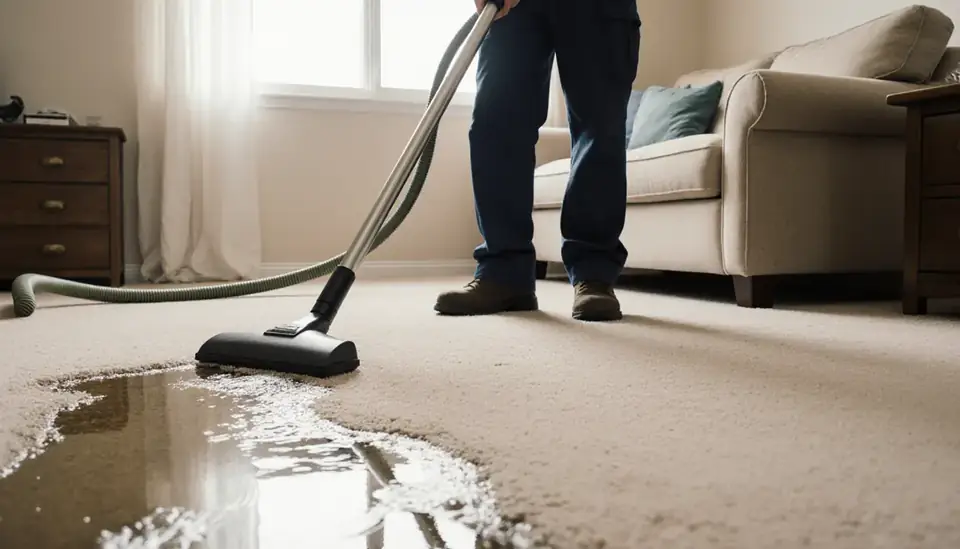
At 3:20 a.m. on August 24, 2014, a magnitude 6.0 earthquake centered a few miles northwest of American Canyon shook the Napa area. Earthquakes are a water damage risk that people tend to forget: shifting can crack supply pipes, loosen water heater connections and break drain lines inside walls, sometimes without an obvious leak at first. After any noticeable quake, check that the water heater is strapped and upright, look under sinks, and watch the water meter with every fixture off. A meter that keeps moving means a leak somewhere.
From Floodwater to Dry Walls: The Restoration Sequence
River or street floodwater is contaminated, so the work starts with safety: power off in wet areas, protective gear, and photos for the insurance claim. Restoration providers then remove water and mud, cut out soaked drywall and insulation to above the waterline, clean and disinfect surfaces, and set up drying equipment. Our pages on flood cleanup and water extraction describe those steps in more detail.
Clean-water leaks from pipes or appliances usually involve less demolition if they're caught quickly. Either way, daily moisture readings should guide when the drying is done, not the calendar. Keep in mind that standard homeowners policies exclude outside flooding; that coverage comes only through a separate flood policy.
Valley Fog, Cool Winters and Mold Prevention
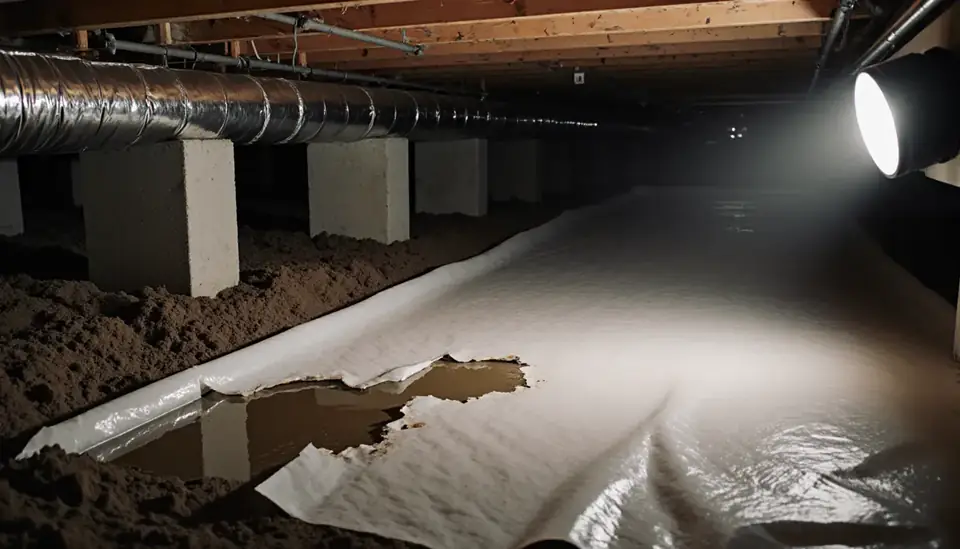
Winter in the valley brings rain, cool temperatures and fog that can settle in for days, all of which slow evaporation. Wet framing, subfloors and cabinet bases can stay damp long enough to support mold if nobody actively dries them. Pay attention to closets on exterior walls, rooms over crawl spaces and anywhere a stain keeps coming back. Where mold is confirmed, mold remediation should include removing affected material and fixing the moisture problem behind it.
Napa Neighborhoods and Surrounding Towns
Calls come in from across Napa, including:
- Downtown
- Alta Heights
- Westwood
- Linda Vista
The same line also serves nearby communities such as:
- American Canyon
- Yountville
- Silverado Resort
- Vallejo
- Sonoma
Napa Water Damage Questions
Did the Napa River Flood Project end flooding in Napa?
It reduced risk substantially along about six miles of the river and a mile of Napa Creek, but no project can stop every storm. Extreme rainfall can still overwhelm channels, and neighborhood drains can back up when the river and tide are high. Check your property on FEMA's flood maps and consider flood insurance even if your lender doesn't require it.
How do I get emergency alerts in Napa County?
The county's Ready Napa County site is the main emergency portal. It links to Alert Napa County, the sign-up for emergency notifications, and to evacuation zone maps where you can look up your zone ahead of time. Knowing your zone before a storm or fire makes it much easier to act quickly on an evacuation warning.
My house is on a raised foundation. What happens if water gets under it?
Standing water under the floor should be pumped out promptly, and wet insulation between the joists is usually removed because it holds moisture. The crawl space then needs ventilation and dehumidification until the joists and subfloor measure dry. Left alone, a wet crawl space can lead to mold, odors and warped flooring in the rooms above.