

Hurricane Helene changed how a lot of Augusta families think about storm damage. The storm crossed the Central Savannah River Area in late September 2024, sustained winds at Augusta Regional Airport hit 52 mph before the station quit reporting, and gusts were estimated at more than 100 mph. Six people in Richmond County were killed by falling trees, damage in the county was put at over $500 million, and some areas lost as much as 80 percent of their tree canopy. For thousands of homes, the real water damage started after the wind stopped, when rain came in through roofs that limbs had opened.
Our referral line is free and staffed around the clock. Call (888) 317-9980 and we'll connect you with an independent restoration provider that serves Augusta and the rest of Richmond County. That provider handles the inspection, drying and repairs; The Restoration Job does not do the work itself.
How the call works: when you call (888) 317-9980, The Restoration Job connects you with an independent restoration provider that serves Augusta. That provider inspects the damage, explains the scope and quotes the work. The Restoration Job doesn't perform restoration itself. Read our referral disclosure.
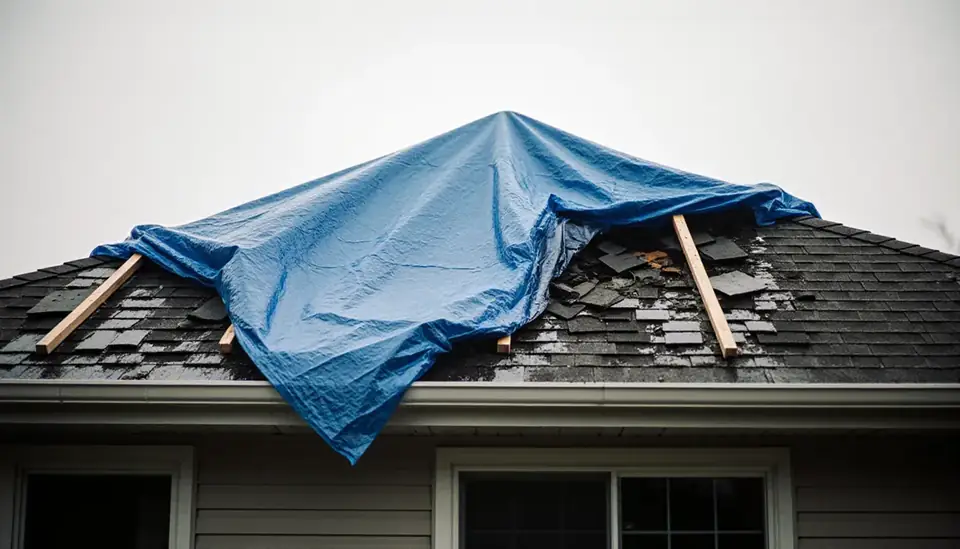
After Helene: Roof Openings, Tarps and Hidden Wet Insulation
A tree on a roof is obvious. What is easy to miss is how far rain travels once the roof deck is broken. Water runs along rafters, soaks attic insulation, pools above ceiling drywall and works down inside wall cavities, sometimes several rooms away from the point of impact. Ceilings can look fine for a day and then sag.
After a wind event like Helene, the usual order of work is to get the tree removed safely, cover the opening, then dry everything that took on water before rebuilding. Storm damage cleanup covers that first stage. A provider will typically pull wet insulation, check ceiling joists and top plates with a moisture meter, and set dehumidifiers before anyone hangs new drywall. Photograph the tree, the roof and every wet room before work begins, since your insurer will want to see the sequence.
A Fall Line River Town With a Levee and a Canal
Augusta was built where the Savannah River drops off the Piedmont onto the coastal plain, the point where the river becomes navigable. That location brought trade and water power, and it also brought floods. The Augusta Canal, completed in 1845 and enlarged in 1875, fed mills such as Enterprise, King and Sibley, and a levee now runs along the riverfront. Flooding was a recurring problem in the early 1900s, with major floods in the 1920s and 1930s.
Upstream dams changed the picture. J. Strom Thurmond Dam, built between 1946 and 1954 about 22 miles north of the city, was designed partly for flood control; in March 1964 it cut a flood crest at Augusta from a projected 38 feet to 25 feet. River flooding is far less common than it was a century ago, but heavy local rain still overwhelms streets, ditches and low spots across a 302-square-mile consolidated city, and finished lower levels and crawl spaces take the water. Look up your address on FEMA's flood map rather than assuming the levee protects you.
Older Houses in Summerville, Harrisburg and Pinched Gut
Richmond County has around a dozen National Register historic districts. Summerville, Harrisburg-West End, Pinched Gut, Laney-Walker North, Bethlehem, Sand Hills and the Downtown district hold a large share of houses built long before modern vapor barriers and drywall. Many sit on raised crawl spaces with wood framing, plaster walls and old heart pine floors.
These materials respond differently to water than newer construction:
- Plaster can often be dried in place after a clean-water leak, though it dries slowly and should be monitored rather than torn out by default.
- Old hardwood may cup as it absorbs moisture and flatten again with controlled drying.
- Crawl spaces trap humid air, so wet insulation and sill plates below the floor need attention even when the living space looks dry.
Ask any provider how they plan to measure drying in these materials and what they intend to save before agreeing to demolition.
Humid Summers, 44 Inches of Rain and Mold Growth
Augusta averages about 44 inches of precipitation a year in a humid subtropical climate with hot, sticky summers. Indoor humidity stays high for much of the year, which slows natural drying and gives mold a head start on wet drywall, carpet pad and the backs of cabinets. A house that loses power after a storm loses its air conditioning too, and with it the dehumidification that normally keeps indoor moisture in check.
Professional water damage restoration relies on dehumidifiers and daily moisture readings rather than box fans. If growth is already visible, mold removal should be done under containment, with porous materials such as drywall and insulation cut out and bagged, not painted over or sprayed and left in place.
Freeze Events in a Mild-Winter City
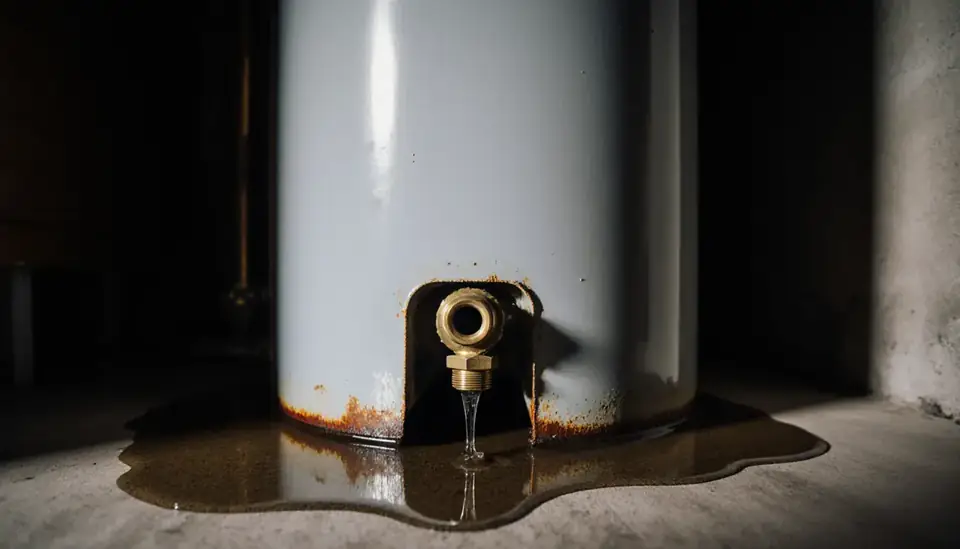
Winters here are short and usually gentle, which is why cold snaps catch people off guard. Augusta has dropped to −1°F, a record set in January 1985, and February 1973 brought 14 inches of snow. Pipes in exterior walls, vented crawl spaces and unheated garages are the usual failures. A split line often goes unnoticed until it thaws, then floods for hours.
Know where your main shutoff is before winter, insulate exposed lines under the house, and drip faucets on outside walls when forecasters call for a hard freeze. If a pipe does burst, shut off the water, turn off power to affected rooms if it is safe to reach the panel, and get standing water out quickly.
Where Callers in the Augusta Area Are
Calls come in from across Augusta, including:
- Downtown Augusta
- Summerville
- Harrisburg
- Pinched Gut
- Laney-Walker
- Bethlehem
- Sand Hills
- Hyde Park
The same line also serves nearby communities such as:
Common Questions
Does the riverfront levee mean my Augusta home cannot flood?
No. The levee and the upstream dams reduce the risk of Savannah River flooding, but most water damage here comes from heavy rain that overwhelms drainage, from creeks and low spots, or from roofs opened by storms. Standard homeowners policies generally exclude flood, so check your address on FEMA's flood map and consider whether a separate flood policy makes sense for your property.
Is it safe to sign a contract with a tree or roofing crew that shows up after a storm?
Take your time. Big storms draw contractors from all over, and not all of them stay to finish the job. Ask for a written scope of work, get the company's full name and address, and talk to your insurer before signing anything that assigns your claim. Emergency steps like tarping and water removal are reasonable to approve quickly; full rebuilds can wait until you understand what your policy covers.
Who sends emergency alerts for Augusta-Richmond County?
The Augusta-Richmond County Emergency Management Agency offers an alert sign-up on the city's website and plans for flooding, hurricanes, severe storms and extreme temperatures. Forecasts and warnings for Augusta come from the National Weather Service office in Columbia, South Carolina, which covers the Georgia side of the Central Savannah River Area as well.
Can plaster walls in an older Augusta house be saved after a leak?
Often, yes, if the water was clean and drying starts promptly. Plaster tolerates moisture better than drywall but takes longer to dry, so a provider should take readings over several days. Plaster soaked by sewage or floodwater, or plaster that has lost its bond to the lath, usually needs to be removed. Ask for moisture readings in writing before demolition.