
Centerville takes its name from its spot on U.S. 41 roughly halfway between Macon and Perry, the seats of Bibb and Houston counties. Incorporated in 1958, it covers only about four square miles, wedged between Warner Robins to the east and south and Byron to the west. It is overwhelmingly residential: the 2020 census counted about 8,200 people in roughly 3,500 housing units, and the town functions largely as a bedroom community for the Macon and Warner Robins area.
In a town like this, most water damage starts inside the house rather than at a riverbank. The Restoration Job is a free referral service whose phone line is answered 24/7. Call (888) 317-9980 and we'll connect you with an independent restoration provider serving Centerville and northern Houston County. The restoration work itself is performed by those third-party companies.
How the call works: when you call (888) 317-9980, The Restoration Job connects you with an independent restoration provider that serves Centerville. That provider inspects the damage, explains the scope and quotes the work. The Restoration Job doesn't perform restoration itself. Read our referral disclosure.
Household Leaks That Drive Most Calls in a Bedroom Community
With no major river running through town, the typical Centerville loss is a plumbing or appliance failure. These are the ones that tend to do the most damage because they run while a family is at work or asleep:
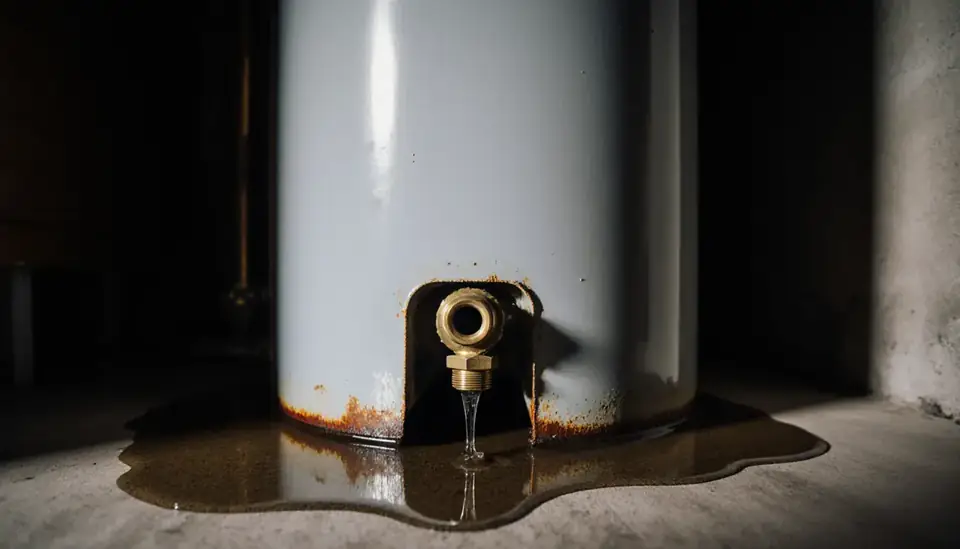
- Water heaters that rust through at the bottom of the tank, often in a garage, closet or attic.
- Washing machine hoses and toilet supply lines with rubber that hardens and splits with age.
- Refrigerator ice maker lines leaking slowly under hardwood or laminate.
- Air conditioner drain lines that clog in summer and overflow from an attic unit into the ceiling.
Knowing where your main shutoff valve is, and making sure it still turns, is the single most useful thing a homeowner can do before any of these fail. Braided steel supply hoses and a drain pan under the water heater are inexpensive upgrades.
Wind, Hail and Roof Leaks on the Houston County Line
Spring and summer thunderstorms move across Middle Georgia with damaging wind and hail, and tornadoes are part of the local record; neighboring Warner Robins lost 18 people to an F4 tornado in April 1953. More often, storms cause smaller problems that still let water in: lifted shingles, a flashing gap around a chimney or vent, or a branch that cracks the roof deck.
A roof leak usually shows up first as a brown ring on a ceiling, but by then the attic insulation above may already be saturated. For Centerville homeowners the order matters: get the roof covered, then have the attic and ceiling checked for moisture before the drywall is patched. Providers offering storm damage cleanup can typically tarp the roof and dry the interior in one visit.
Drying It Out Right: What a Restoration Visit Involves
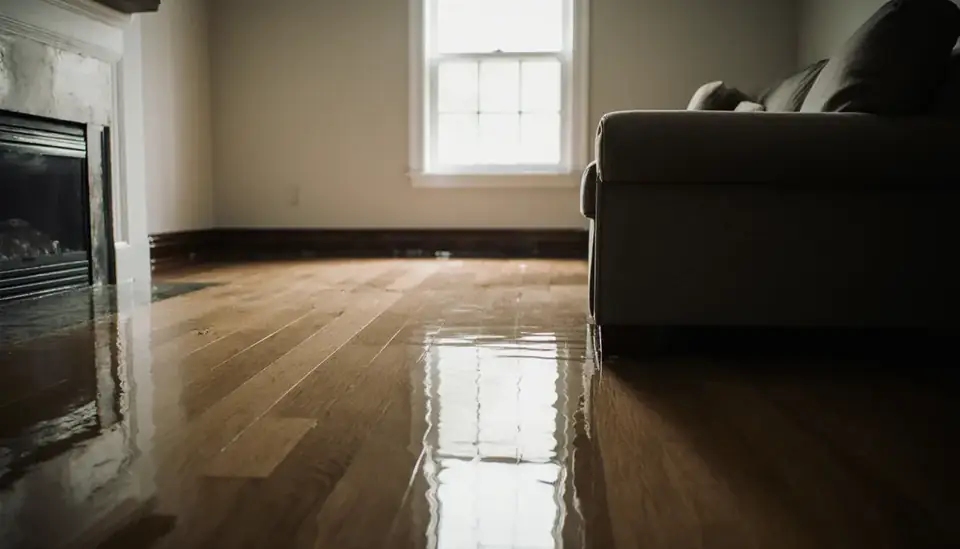
Water spreads farther than it looks. It wicks up drywall, runs under baseboards and travels beneath flooring into the next room. A restoration crew will usually start by finding the edges of the wet area with moisture meters, then extract standing water and pull up carpet pad that cannot be dried in place.
From there, water damage restoration is mostly controlled drying: air movers to speed evaporation, dehumidifiers to pull the moisture out of the air, and daily readings until walls, subfloors and cabinets reach normal levels. That typically takes several days. Cutting the drying short to start repairs sooner is the most common reason a leak turns into a mold problem later.
Mold in Middle Georgia's Muggy Months
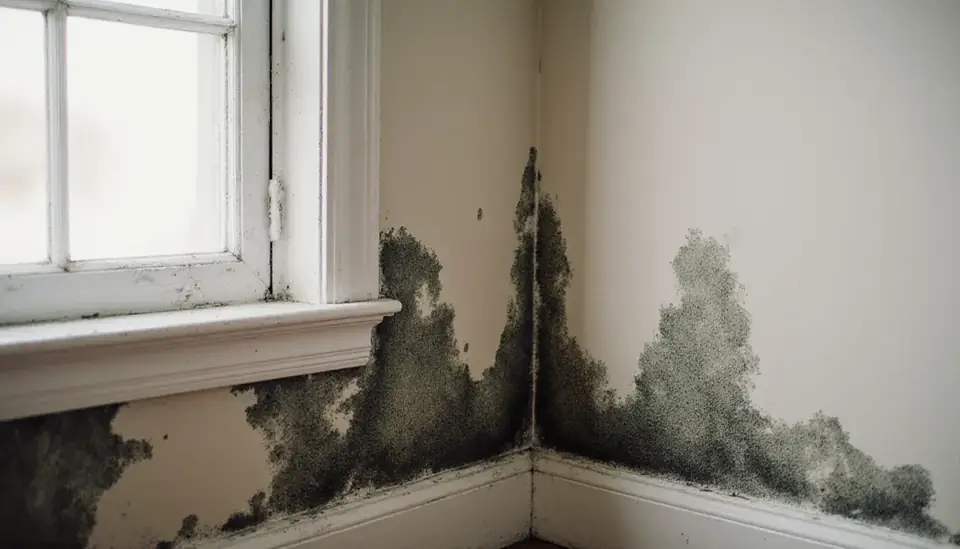
From late spring into fall, Houston County air is warm and heavy with moisture, so wet materials stay wet. In Centerville houses, drywall behind a leaking dishwasher, the underside of a bathroom vanity and carpet pad near a sliding door are typical places where mold gets started within a few days.
Watch for a musty smell that does not go away, staining that spreads, or baseboards pulling from the wall. Small spots on hard surfaces can often be cleaned, but growth inside walls or across a large area calls for professional remediation with containment so spores are not spread to other rooms. Keeping the air conditioning on and the indoor humidity down helps while you wait for repairs.
City Contacts and Practical Steps
For a drainage problem in a city street or right-of-way, the City of Centerville's Streets and Utilities department, which also oversees stormwater, can be reached at (478) 953-3222 during business hours. The city's website also links to the Houston County alert system, run through Smart911, for emergency notifications.
Inside your home: shut off the water, turn off power to wet areas if it is safe, and photograph the damage before moving anything. Call your insurer early, and keep failed parts like a split hose or corroded valve, since adjusters may ask to see them.
Centerville Neighborhoods and Surrounding Towns
The same line also serves nearby communities such as:
- Warner Robins
- Byron
- Perry
- Macon
- Bonaire
- Kathleen
Frequently Asked Questions
Is Centerville in a flood zone?
Most of the city is residential land away from major rivers, but flood zones are mapped parcel by parcel, and low spots near drainage channels can be at higher risk. Look up your specific address on FEMA or Georgia flood maps rather than assuming. Even outside a mapped zone, heavy rain can push water into a garage or low room, and that kind of surface water is generally a flood insurance matter.
My water heater leaked in the garage and into the house. What gets covered?
Homeowners policies commonly cover sudden water damage from a failed water heater, such as wet drywall, flooring and baseboards, but often not the water heater itself if it failed from age or corrosion. Coverage depends on your policy. Photograph the tank, the floor and adjoining rooms, shut off the water and gas or power to the heater, and start drying quickly to keep the claim from growing.
Can I dry a small leak myself?
A small spill on tile or vinyl in a Centerville kitchen that is wiped up right away is usually fine. Water that has soaked into carpet, run under flooring or wicked into drywall is harder, because it can stay wet inside walls even when surfaces feel dry. Household fans rarely remove enough moisture in Middle Georgia humidity. A provider with moisture meters can tell you whether hidden areas are still wet.