
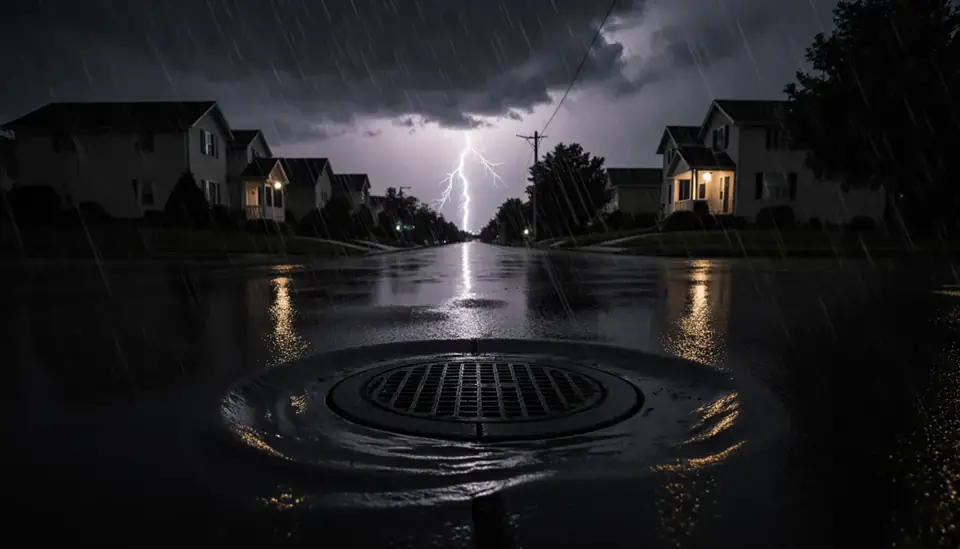
Pineville rises on the east side of the Red River, across the Curtis-Coleman Memorial Bridge from downtown Alexandria. At about 118 feet above sea level it stands well above its larger neighbor, and the pine-covered ground that gave the city its name drains faster than the flat land on the river's south bank. Height helps with rising water, but it does nothing against the main threats here: wind-thrown trees, torn roofs, ditches overwhelmed by tropical rain, and the plumbing failures that hit any house in any season.
The Restoration Job is a no-cost connection service, not a contractor. Call (888) 317-9980 day or night and we'll put you in touch with an independent provider that handles water damage repair for homes and businesses in Pineville.
How the call works: when you call (888) 317-9980, The Restoration Job connects you with an independent restoration provider that serves Pineville. That provider inspects the damage, explains the scope and quotes the work. The Restoration Job doesn't perform restoration itself. Read our referral disclosure.
Wind, Pines and Roofs East of the Red River
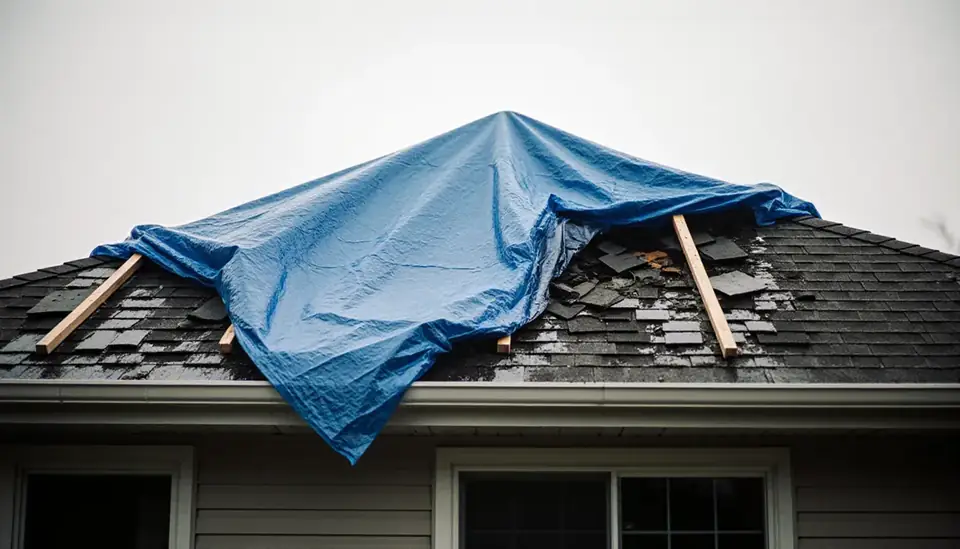
Tall pines and hardwoods shade much of Pineville, and in a hurricane they become the main hazard to roofs. When Hurricane Laura crossed Central Louisiana on August 27, 2020, a gust of 91 mph was measured in Alexandria, just across the river, and the NWS listed Rapides Parish among the parishes where trees and wind damaged homes. A single trunk across a roof can open the decking and let in rain for days before a tarp goes up.
That delay is where the real water damage happens. Attic insulation soaks up rain like a sponge, ceiling drywall sags, and water runs down inside wall cavities. After a tree strike, ask for storm damage cleanup that covers emergency tarping and opening up wet ceilings, not just debris removal outside.
When the Water Wells Lost Power: Lessons From Gustav
Hurricane Gustav in early September 2008 was mostly a rain event for Rapides Parish. Radar estimated 15 to 25 inches over parts of the parish, and an NWS gauge east of Alexandria logged 20.43 inches from September 1 to 4. Power was knocked out to most of the water wells serving Alexandria and Pineville. Hurricane Delta brought another heavy dose in October 2020, with estimates of more than 20 inches in parts of Rapides, and the NWS said debris in drainage ditches made flooding worse.
Two practical points follow. First, rain of that volume overruns roadside ditches even on higher ground, so water can reach slabs, garages and crawl spaces in Pineville neighborhoods that never see river water. Second, a long outage leaves a wet house without air conditioning, sometimes without running water, which slows cleanup. A generator-powered dehumidifier, or a provider who brings their own power, can make a real difference in those first days.
Large Campuses and Public Buildings
Pineville is home to Louisiana Christian University, the Alexandria VA Medical Center, Central Louisiana State Hospital and the Louisiana National Guard Training Center, formerly Camp Beauregard. Facilities like these deal with water losses on a different scale: a burst sprinkler line or a failed roof drain can spread across several floors or connected buildings.
For commercial and institutional properties, a provider should be able to set up containment so unaffected areas stay open, document moisture readings for each room, and coordinate structural drying with facility staff. Building managers should keep shutoff valve locations and after-hours contacts written down and current.
What a Restoration Visit Covers
- An inspection with moisture meters to find how far water spread, including under flooring and behind baseboards.
- Extraction of standing water from carpet, tile and subfloor.
- Removal of materials that cannot be dried, such as soaked carpet pad and insulation.
- Placement of air movers and dehumidifiers, with readings taken each day until materials reach dry standard.
- Photos and notes you can give your insurer, then repair or rebuilding once the structure is dry.
Keep in mind that rising water from a flooded ditch or yard is covered only by flood insurance, while a sudden pipe burst usually falls under homeowners coverage.

Damp Autumns and Mold Growth
Pineville averages a little over 61 inches of precipitation a year, and November and December are its wettest months, not midsummer. That surprises people who expect fall to be a dry season. Cooler weather means less air conditioning running, so indoor humidity can stay high after a leak in late autumn. Mold can start on wet drywall paper, carpet backing and cabinet bases within a few days. Drying quickly and confirming it with readings matters more than any spray. Where growth has already spread, mold remediation with containment and removal is the reliable fix.
Where Callers in the Pineville Area Are
The same line also serves nearby communities such as:
- Alexandria
- Ball
- Boyce
- Woodworth
Common Questions
Pineville sits higher than Alexandria. Do I still need flood insurance?
Elevation lowers your exposure to the Red River, but heavy tropical rain is a different problem. Storms like Gustav and Delta dropped estimated totals of 20 inches or more on parts of Rapides Parish, and overflowing ditches can push water into houses on higher ground. Standard homeowners policies exclude rising water, so look up your address on the FEMA flood map and weigh a separate policy.
What comes first after a pine comes down through the roof?
Get everyone out of rooms under the damage, then have the tree removed and the opening tarped as soon as it is safe. Photograph everything before cleanup. Once the roof is covered, have the attic and ceilings checked for wet insulation and drywall, because that hidden moisture causes most of the lasting damage and can lead to mold.
The leak in my Pineville house was repaired weeks ago. What is the lingering musty odor?
A musty smell usually means something stayed damp, often carpet pad, the bottom of a wall cavity or the subfloor under vinyl. Pineville's wet late-year months and high humidity slow natural drying. A moisture inspection can find the source without tearing out walls at random, and a provider can then remove or dry the affected material.