
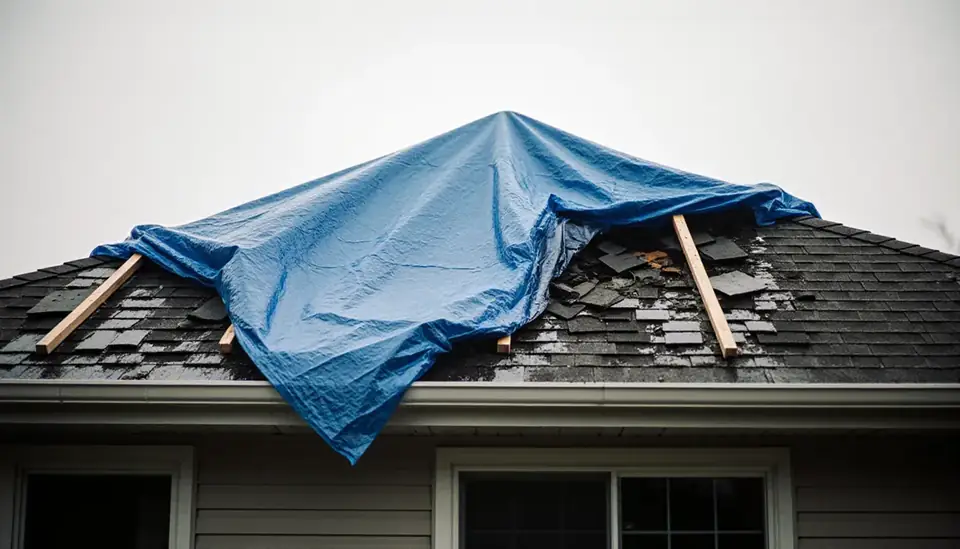
Frog legs put Rayne on the map. Early in the 1900s a local businessman noticed how many frogs lived in the wet prairie around town and began shipping them to New Orleans, and the Frog Capital of the World nickname stuck. The town sits at about 30 feet, a bit higher than much of Acadia Parish, and only a sliver of its land is open water. Its biggest water problems tend to come from above: rain driven through roofs and walls by hurricanes and severe thunderstorms.
There is no charge to call The Restoration Job, and the phones are answered day and night; the service passes your call to someone local rather than sending its own crew. Call (888) 317-9980 and we'll connect you with an independent provider that handles storm damage cleanup and interior water damage in Rayne.
How the call works: when you call (888) 317-9980, The Restoration Job connects you with an independent restoration provider that serves Rayne. That provider inspects the damage, explains the scope and quotes the work. The Restoration Job doesn't perform restoration itself. Read our referral disclosure.
Where Lili Hit Hardest in Acadia Parish
The National Weather Service in Lake Charles estimated winds of 100 to 110 mph in Rayne during Hurricane Lili on October 3, 2002, the highest estimate it gave for any Acadia Parish town. Across the parish, 85 homes and businesses were destroyed and 2,540 suffered major damage. Eighteen years later, Hurricane Laura again knocked trees onto houses across Acadia Parish.
In Rayne, a windstorm is often the start of an indoor water problem rather than the end of one. A missing ridge cap or a few lifted shingles lets rain soak the attic, and the ceiling drywall below can sag or collapse within a day or two. Insulation that gets wet loses its value and holds moisture against the ceiling, so it usually has to come out.
The March 2011 Tornado and Severe-Storm Season
Hurricanes are not the only wind threat. On March 5, 2011, an EF2 tornado struck Rayne, injuring at least twelve people and killing one. Spring storm systems that bring tornadoes also bring hours of heavy rain, which pours through any opening a twister leaves in a roof or wall.
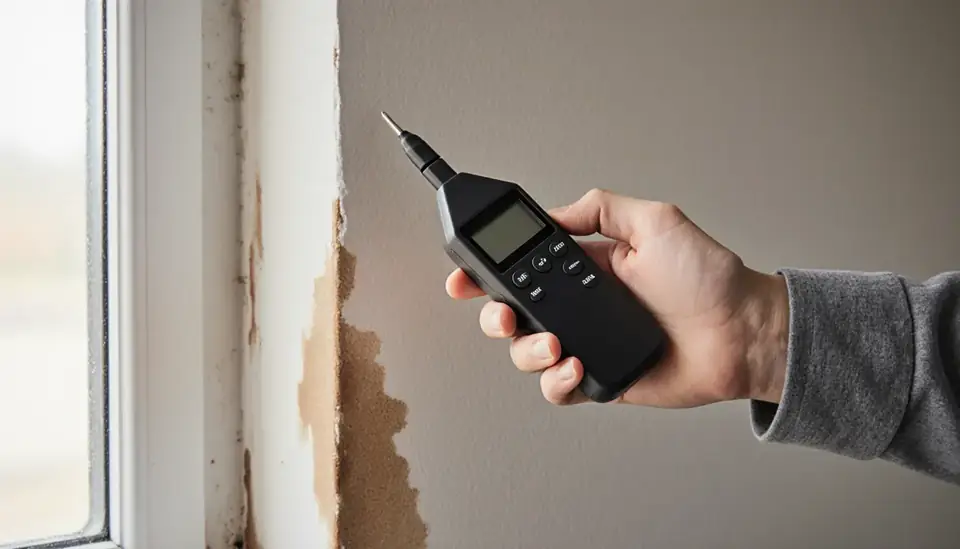
After a tornado or straight-line wind event, check the whole envelope: roof decking, soffits, window frames and siding. Rain that gets behind brick veneer or siding can wet the sheathing and the bottom plate of the wall without any sign inside for days. Moisture meters and thermal cameras help find that hidden water.
Leaks That Have Nothing to Do With Weather
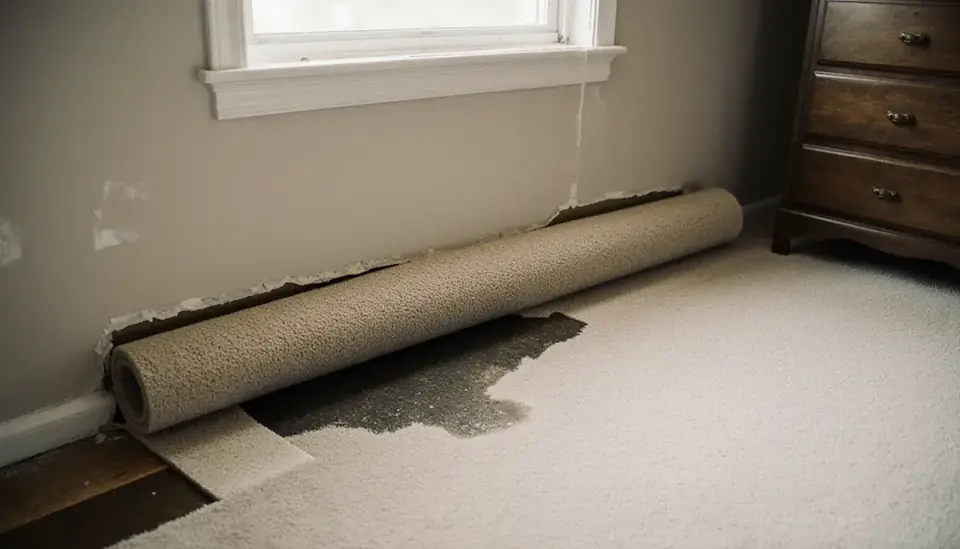
Many calls are not storm-related at all. Water heaters, washing machine hoses, toilet supply lines, ice-maker connections and AC condensate lines in the attic are frequent culprits in homes across Acadiana. On a slab foundation, water from a leak spreads under flooring and into the bottom of walls; on a raised floor, it can drip into the crawl space unnoticed.
Shut the water off at the meter or main valve, mop up what you can, and get fans running. Water extraction followed by measured drying usually saves more flooring, cabinets and drywall than waiting to see whether things dry on their own.
Steps Before the Adjuster Visits
- Photograph roof damage from the ground and every wet ceiling, wall and floor inside.
- Cover openings with a tarp or plywood once it is safe, and keep the receipts.
- Move furniture and electronics out of wet rooms.
- Do not throw away damaged materials until the adjuster has seen them or you have documented them thoroughly.
- Check your policy for a separate hurricane or named-storm deductible.
Wet Prairie Air and Mold in Rayne Homes
The same damp ground that made frogs so plentiful keeps humidity high for much of the year. After water gets into a house, the EPA advises drying it within 24 to 48 hours and holding indoor humidity under 60 percent. After a hurricane, power outages often make that impossible, and mold can follow. When growth appears on drywall or under carpet, mold remediation should remove the material and correct the moisture, not just cover the stain.
Neighborhoods and Nearby Communities
The same line also serves nearby communities such as:
Rayne Water Damage Questions
Rayne is higher than much of Acadia Parish. Do I still need flood insurance?
Elevation helps, but heavy tropical rain can still overwhelm ditches and pond water around homes anywhere in the parish. Hurricane Barry brought 3 to 8 inches of rain to Acadia Parish in 2019 with isolated flooding. Homeowners policies do not cover rising water, so check your property on the FEMA flood map and ask your agent about a separate flood policy.
A tree fell on my roof. What should happen first?
Make sure everyone is out of the affected rooms and stay clear of sagging ceilings and downed lines. Photograph the damage, then have the tree removed and the roof tarped as soon as it is safe. Inside, wet insulation and ceiling drywall usually need to come out, and the attic and walls should be dried and checked with a moisture meter.
Where can I find official storm information for Rayne?
The National Weather Service office in Lake Charles issues hurricane, tornado and flood warnings for Acadia Parish. Louisiana's Governor's Office of Homeland Security and Emergency Preparedness (GOHSEP) posts statewide emergency information and recovery resources. Parish officials announce local shelter and evacuation decisions.