
Waynesboro sits just east of the Chickasawhay River, a 210-mile stream that later joins the Leaf to form the Pascagoula. The town grew around a Mobile and Ohio Railroad station in the 1850s, became the Wayne County seat in 1867, and more than doubled in size during the 1940s oil boom. That history left a mix of older frame houses, mid-century homes and, out in the county, plenty of manufactured and modular homes, each with its own way of taking on water.
No restoration work is done by The Restoration Job; it is a no-cost referral line. Call (888) 317-9980 and we'll connect you with an independent provider offering water damage restoration in Waynesboro and the surrounding area. Providers commonly handle extraction, drying, mold and repairs, and many take emergency calls.
How the call works: when you call (888) 317-9980, The Restoration Job connects you with an independent restoration provider that serves Waynesboro. That provider inspects the damage, explains the scope and quotes the work. The Restoration Job doesn't perform restoration itself. Read our referral disclosure.
Low Ground Along the Chickasawhay and Buckatunna Creek
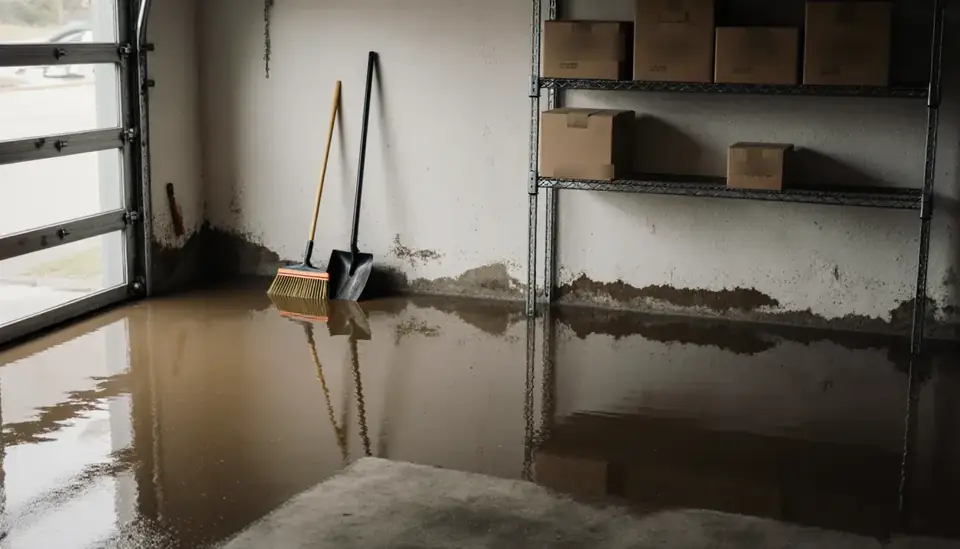
The Chickasawhay and Buckatunna Creek both run through Wayne County, and land near them is the first to go under in a long rain. Floodwater from a river or creek is not the same as a clean-water leak. It carries mud, farm runoff and sometimes sewage, so the drywall, insulation and flooring it soaks are usually removed and the remaining structure is cleaned and dried before rebuilding.
Check your property on FEMA's flood map before you need it, and remember that rising water is excluded from homeowners insurance. A separate flood policy covers it, but there is normally a waiting period before a new policy takes effect.
Manufactured and Modular Homes in Rural Wayne County
When an EF1 tornado crossed southeast Wayne County on January 13, 2013, the National Weather Service found that a modular home and a mobile home lost their roofs, along with snapped trees and a destroyed chicken house. That kind of damage is common in rural storms, and the water that follows is often harder to deal with than the wind.
- Belly wrap under a manufactured home holds water against insulation and ductwork and usually has to be opened to dry.
- Particleboard subfloors swell quickly and often need replacement once soaked.
- Roof seams and skylights on older units are frequent leak points after high wind.
Fast water extraction and drying can save more of the floor system than waiting for warm weather to do the job.
Hard Freezes and Burst Pipes Are Not Unheard Of
Waynesboro's winters are usually mild, which is exactly why a hard freeze catches homes off guard. The town's record low is minus 2 degrees, set in February 1899, and a single day on December 31, 1963 brought 10 inches of snow. Pipes in crawl spaces, exterior walls and uninsulated mobile home skirting are the most vulnerable.
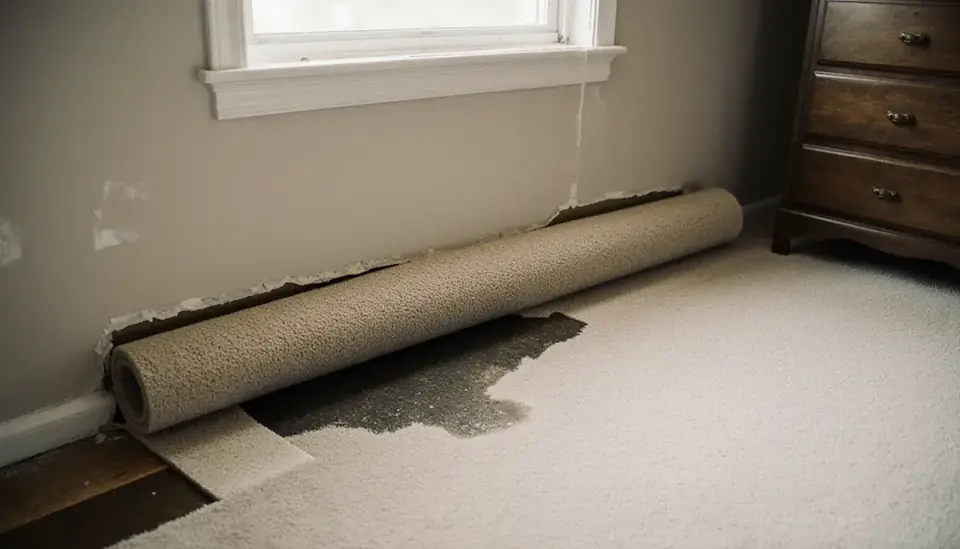
When a cold snap is forecast, drip faucets, open sink cabinets on outside walls and know where your main shutoff is. If a line bursts, shut the water off first, then call for help. Water from a split pipe can run for hours before anyone notices, saturating subfloors and wall cavities.
Storm Season on the Mississippi-Alabama Line
Wayne County lies in the National Weather Service Mobile forecast area, close to the Alabama border, and Gulf systems and spring storm lines both move through. Broken roofs, fallen trees on houses and wind-driven rain through windows are the usual sources of interior damage. Tarp promptly, photograph everything, and have a provider check attic insulation and ceilings for trapped moisture as part of storm damage cleanup.
Wayne County Humidity and the Mold That Follows a Leak
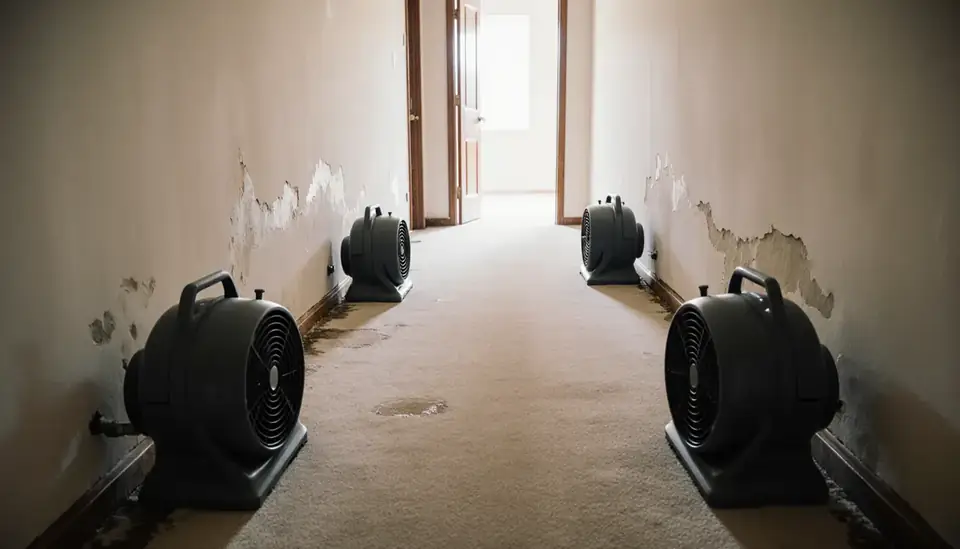
Long, hot, humid summers make mold the likely second act after any leak in Waynesboro. The EPA's guideline is to dry water-damaged materials within 24 to 48 hours. In practice that means removing soaked carpet pad and lower drywall quickly and running dehumidifiers and air movers until moisture readings are back to normal.
If you already see spreading growth or notice a musty smell in a closet or under the floor, have it assessed. Larger areas need containment so spores are not carried through the house, and the moisture source must be fixed or the problem returns.
Waynesboro Neighborhoods and Surrounding Towns
The same line also serves nearby communities such as:
- Buckatunna
- Clara
- State Line
- Shubuta
- Richton
- Laurel
Frequently Asked Questions
A pipe froze and burst in my crawl space. What should I do first?
Shut off the main water valve, then turn off power to any wet area if it is safe. Pipe bursts are often covered by homeowners insurance as a sudden loss, so photograph the break and the damage before repairs. Have a provider pump out the crawl space, remove wet insulation and dry the floor system; otherwise moisture under the house can lead to mold and sagging floors.
Do restoration companies cover rural Wayne County, not just Waynesboro?
Many do, though travel distances in a large rural county can affect scheduling. When you call (888) 317-9980, give your full address and describe the damage so we can try to connect you with an independent provider that serves your part of the county. After a widespread storm, expect demand to be high.
Can a water-damaged manufactured home be repaired?
Often it can, especially if the water came from a leak and drying starts quickly. Swollen particleboard subflooring, wet belly insulation and damaged ductwork are the usual repairs. Homes that sat in floodwater for a long time may have more extensive damage to the floor system and frame, and an adjuster may treat those differently.