
Cary's population doubled in the 1960s, tripled in the 1970s and doubled again in each of the next two decades as Research Triangle Park drew people to western Wake County. That growth left the town with tens of thousands of houses built over a short span, many of them now old enough that original water heaters, supply lines and roofs are reaching the end of their service life. Kildaire Farms, the state's first planned unit development, and older subdivisions like Farmington Woods and Greenwood Forest are shaded by mature trees that the town deliberately kept.
Calling (888) 317-9980 connects you, free of charge, with an independent restoration company that serves Cary. The line is staffed 24/7. The provider runs its own inspection and quotes its own price, and many offer emergency visits for active leaks or flooding.
How the call works: when you call (888) 317-9980, The Restoration Job connects you with an independent restoration provider that serves Cary. That provider inspects the damage, explains the scope and quotes the work. The Restoration Job doesn't perform restoration itself. Read our referral disclosure.
Three Creeks and Two Flood-Control Lakes
Cary drains to the Neuse River through three main streams: Crabtree Creek, which begins in town, Walnut Creek and Swift Creek. Lake Crabtree, a 520-acre reservoir on the Cary-Morrisville side, was built in the late 1980s specifically to hold back Crabtree Creek floodwater, and the older Fred G. Bond Dam upstream dates to 1970. On the west side, Jordan Lake serves as both a water supply and a flood-control reservoir.
Those structures reduce downstream flooding, but they do not stop water from collecting in low backyards, under decks or in crawl spaces along smaller tributaries during a heavy storm. If water reaches living space from outside, professional flood cleanup is the right call because ground and creek water should be treated as contaminated.
When a 1980s Subdivision Starts to Leak
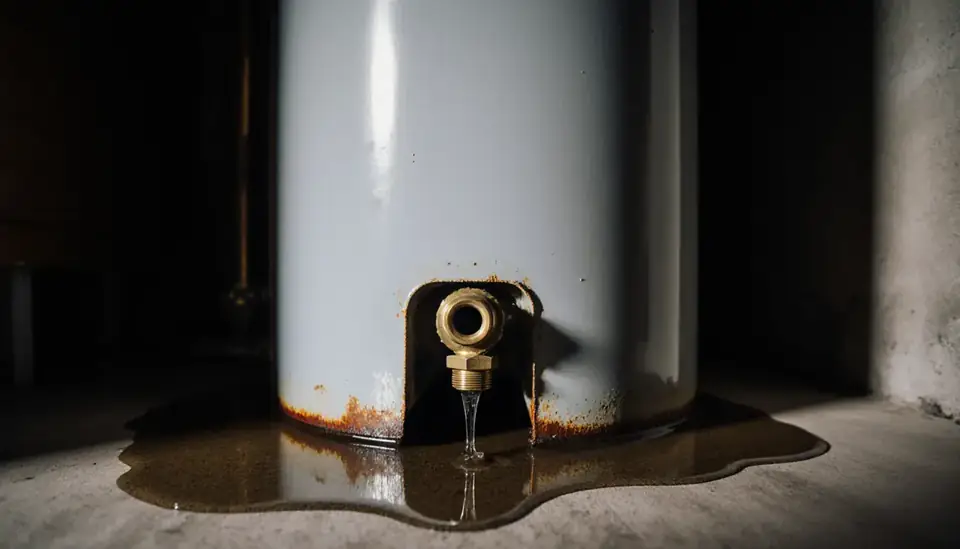
A house built during Cary's big growth decades may still have some of its original plumbing components, and those are where many indoor water losses start. The usual suspects are:
- Tank water heaters, especially units in attics or upstairs closets where a failure soaks ceilings below.
- Braided or rubber washing machine hoses and toilet supply lines.
- Ice-maker lines behind refrigerators that leak slowly under flooring.
- Roof flashing around chimneys and skylights after years of storms.
Replacing these parts before they fail is cheaper than any repair. Once water is out, water damage restoration in a two-story home usually means checking the ceiling cavity and insulation below the leak, not only the floor where water pooled.
Mature Trees, Fran and Spring Tornadoes
The same tree canopy that gives older Cary neighborhoods their character becomes a hazard in high wind. Hurricane Fran caused significant damage across the area in 1996, much of it from trees falling on homes and power lines. On April 16, 2011, a tornado that tracked from Sanford toward Raleigh dropped pieces of destroyed houses in Cary and neighboring Apex. Ice storms, which hit the region now and then, can snap limbs onto roofs as well.
When a limb or trunk punctures a roof, rain can soak insulation and drywall well away from the hole. Storm damage cleanup covers emergency tarping, debris removal and drying the attic and walls so mold does not take hold before the roof is replaced.
Keeping Mold Out of Finished Spaces
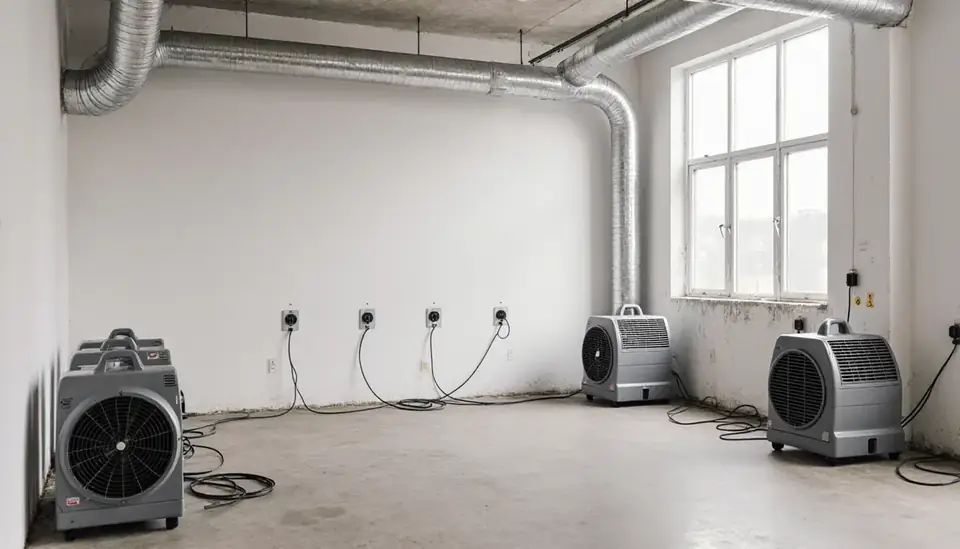
Central North Carolina summers are hot and humid, and Cary homes are closed up with air conditioning for months at a time. That keeps living space comfortable, but water that gets into a wall, under carpet pad or into a bonus room above a garage does not dry on its own in that air. Mold can begin to grow on damp drywall and wood within a couple of days. Running fans alone tends to dry surfaces while leaving the inside of the wall wet. Professional moisture mapping finds the wet areas, and structural drying with dehumidifiers brings materials back to normal before any mold cleanup is needed.

Spanning Three Counties: Practical Notes
Most of Cary is in Wake County, but parts lie in Chatham and Durham counties, which matters for things like county emergency alerts and flood map lookups. Residents in the Wake portion can sign up for ReadyWake Alerts, and anyone in the state can check mapped flood zones on North Carolina's Flood Risk Information System. Standard homeowners policies do not cover flooding from outside, so confirm whether you need a separate flood policy, particularly if your lot backs onto a creek. Providers serving Cary frequently also work in Morrisville, Apex and Raleigh.
Cary Neighborhoods and Surrounding Towns
Calls come in from across Cary, including:
- Kildaire Farms
- Farmington Woods
- Greenwood Forest
- Russell Hills
- Veteran Hills
- Montclair
- Green Level
- Carpenter
- Downtown Cary
The same line also serves nearby communities such as:
Common Questions
Does Lake Crabtree mean my Cary home cannot flood?
No. Lake Crabtree and the Fred G. Bond Dam reduce peak flows on Crabtree Creek, and Jordan Lake helps on the west side, but smaller tributaries, poor yard drainage and intense thunderstorms can still put water into crawl spaces and lower floors. Check your address on the state flood risk map and keep gutters and drains clear.
My upstairs water heater leaked. What gets damaged besides the floor?
Water from a second-floor or attic water heater travels down through the subfloor, ceiling drywall, insulation and sometimes wall cavities on the floor below. A restoration provider should take moisture readings in the rooms underneath and inside the ceiling. Wet insulation usually has to come out, while framing can typically be dried in place.
Part of Cary is in Chatham County. Which county's alerts and services apply to me?
The cleanup itself is the same, but emergency alerts, permits and some county services depend on which county your address is in. Wake residents use ReadyWake Alerts, while residents in the Chatham and Durham portions should check with those counties. Restoration providers serving Cary typically work across all three county lines.