
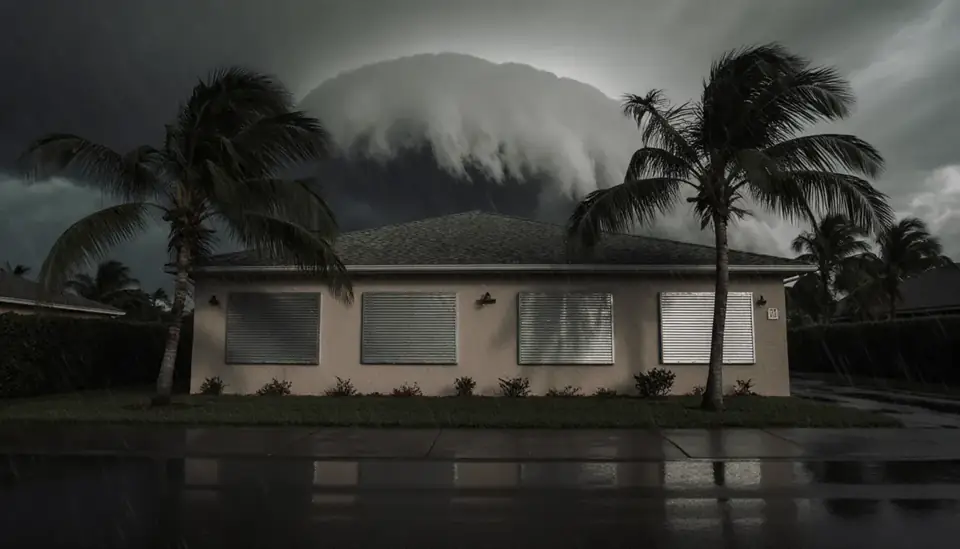
About 85 percent of Kitty Hawk lies inside a FEMA special flood hazard area, according to the town's own floodplain staff, and they add that flooding can happen in any season. The town runs from the ocean beach west through the Kitty Hawk Woods maritime forest to the sound, so a single storm can bring breaking waves on one side and rising soundwater on the other. Southern Shores borders it to the north and Kill Devil Hills to the south.
Roughly half of the 3,207 homes counted in 2020 were vacant at census time, a sign of how many rentals and second homes are in the mix. The Restoration Job offers a free phone connection at (888) 317-9980 to independent restoration providers serving Kitty Hawk. Those firms operate on their own terms and set their own rates, and many will respond to emergencies.
How the call works: when you call (888) 317-9980, The Restoration Job connects you with an independent restoration provider that serves Kitty Hawk. That provider inspects the damage, explains the scope and quotes the work. The Restoration Job doesn't perform restoration itself. Read our referral disclosure.
Isabel on the Oceanfront, Irene in the Village
The town's flood history shows how differently two hurricanes can hit the same place. Hurricane Isabel in September 2003 caused flooding, wind damage and major destruction along the oceanfront. Hurricane Irene in August 2011 did its worst on the other side of town, with major flooding along the sound and in the Kitty Hawk Village areas. Nor'easters add a third pattern, with days of onshore wind, high surf and repeated high tides rather than a single surge.
Because each storm favors a different part of town, the floodplain office notes that one event may flood some neighborhoods and spare others. Owners should not assume that a house that stayed dry in one storm will stay dry in the next.
Sound-Side Homes, Older Cottages and Raised Construction
Kitty Hawk was incorporated only in 1981, but the settlement is far older, and its housing ranges from long-standing year-round homes to raised vacation rentals. That variety shapes the damage:
- Older homes built closer to the ground can take water into crawl spaces and floor systems when the sound rises.
- Raised homes keep living areas higher, but ground-level storage rooms, stairs, water heaters and HVAC equipment underneath are exposed.
- Homes under the maritime forest canopy can see roof damage and leaks from fallen limbs during high winds.
Knowing which of these describes your house helps you decide what to check first after a storm.

Checking Your Property Before and After a Storm
The town provides an online flood-risk platform where owners can look up a property's flood zone, find any elevation certificate on file and contact the floodplain manager. Planning and Inspections at (252) 261-3552 can make flood zone determinations and, on request, visit a site to talk through mitigation options. Doing that homework ahead of hurricane season tells you whether your contents are at risk and whether your coverage matches the exposure.
Flood damage from sound or ocean water needs a separate flood policy, since homeowners coverage excludes it. When you return after an evacuation, photograph the waterline inside and out before moving anything, and keep receipts for any emergency purchases.
What Flood Cleanup and Drying Involve Here
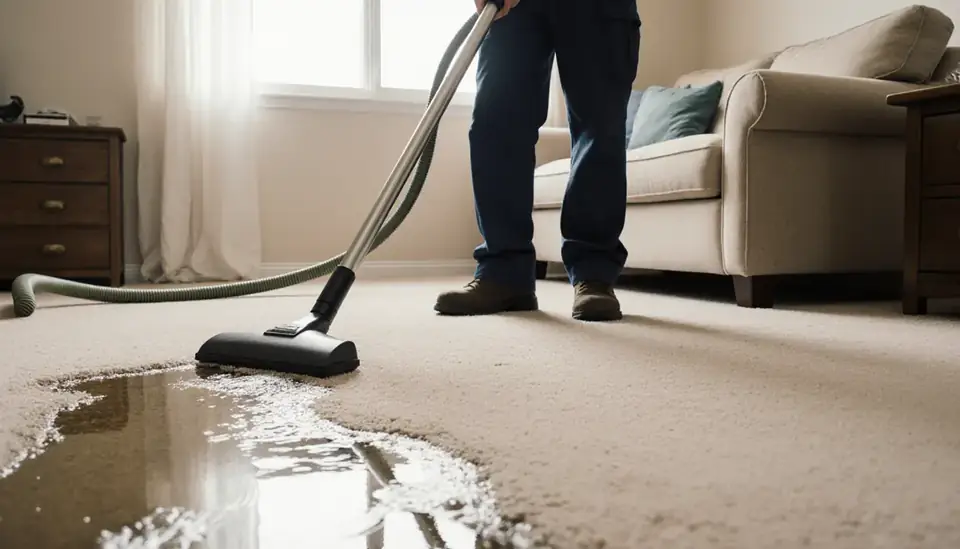
Soundwater and storm surge carry silt, salt and bacteria, so restoration crews treat it as contaminated water. Flood cleanup in Kitty Hawk generally means pumping out standing water, removing mud, cutting out wet drywall and insulation above the waterline, and pulling up carpet and pad. Hard surfaces are cleaned and disinfected, then dehumidifiers and air movers run until moisture meters show the framing and subfloor are dry. A clean-water leak from a supply line is handled differently, and often more of the house can be saved with prompt water extraction. Either way, the work should be documented with photos and daily readings for the insurance file.
Mold Risk in a Humid Maritime Forest Setting
Shade from the woods and long humid summers give mold plenty of opportunity, especially in crawl spaces and closed-up rentals. After any water event, porous materials that stay wet for more than a day or two are candidates for growth. Running the air conditioning or dehumidifiers, removing wet contents quickly and opening up wall cavities that took on water all reduce the risk. Visible growth or a persistent musty odor calls for an assessment and, where needed, professional mold removal that addresses the moisture source as well as the stains.
Where Callers in the Kitty Hawk Area Are
Calls come in from across Kitty Hawk, including:
- Kitty Hawk Village
- Kitty Hawk Woods
The same line also serves nearby communities such as:
- Southern Shores
- Kill Devil Hills
- Duck
- Nags Head
- Colington
Frequently Asked Questions
Is my Kitty Hawk home likely to be in a flood zone?
Odds are good that it is. The town estimates that about 85 percent of its land falls inside a special flood hazard area. You can check your specific lot and any elevation certificate through the town's online flood-risk lookup, or call Planning and Inspections. Even outside a mapped zone, flood insurance is worth considering because wind-driven sound flooding does not follow map lines exactly.
Why did the village flood in Irene when the beach did not?
According to the town, Irene's worst flooding in 2011 came along the sound and in the Kitty Hawk Village areas rather than at the oceanfront. Strong winds can push sound water toward the west side of the island for hours, flooding low streets and older homes even when ocean surge is modest. That is why owners on the sound side should prepare for flooding in storms that seem minor on the beach.
Can I start tearing out wet drywall myself before a provider arrives?
You can limit damage by removing standing water, wet rugs and furniture, but photograph everything first so your insurer can see the original condition. Wear gloves and boots around floodwater. Cutting drywall is fine for small areas, though a provider with moisture meters can show exactly how high the water wicked, which avoids removing too little or too much.