
Oak Island is a barrier island with the Atlantic on its south shore and the Intracoastal Waterway behind it, closed off at the west end by Lockwood Folly Inlet. Most of the town sits only a few feet to about 16 feet above sea level, and canals such as Davis Canal and Montgomery Slough run behind many of the streets. About 8,400 people live here year-round, and the summer population climbs toward 50,000, so a large share of homes are rentals and second houses that sit empty for weeks at a time.
The Restoration Job offers one free number, (888) 317-9980, answered around the clock. The call connects you with an independent restoration provider that serves Oak Island and nearby Brunswick County towns. Those companies are separate businesses with their own pricing, and many offer emergency service after storms.
How the call works: when you call (888) 317-9980, The Restoration Job connects you with an independent restoration provider that serves Oak Island. That provider inspects the damage, explains the scope and quotes the work. The Restoration Job doesn't perform restoration itself. Read our referral disclosure.
From Hazel to Florence: What the Island Has Been Through
The island's storm record is hard to ignore. When Hurricane Hazel struck on October 15, 1954, only five of the 357 buildings in what was then Long Beach were left standing. Long Beach later merged with Yaupon Beach in 1999 to form the present town. Hurricane Matthew in October 2016 and Hurricane Florence in September 2018 both brought severe flooding and wind damage and stripped large amounts of sand from the beach. In August 2020, Hurricane Isaias came ashore a short distance west and heavily damaged multiple homes here.
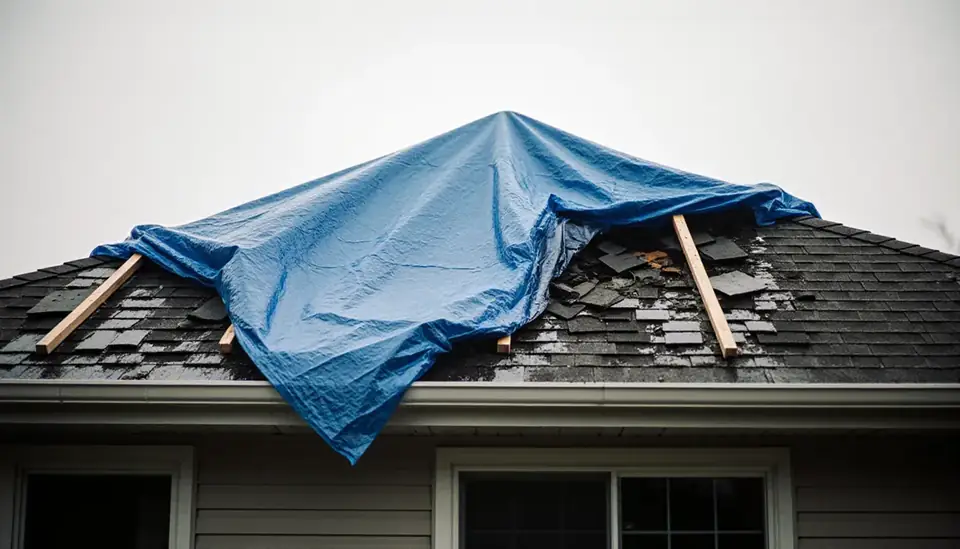
The pattern after each storm is similar. Ocean-side homes deal with sand, overwash and wind, while houses along the canals and the waterway can take water from the sound side as the storm pushes water up the ICW. Roof and siding damage lets rain into upper floors even when the ground level stays dry.
Raised Houses, Ground-Level Enclosures and Canals
Oak Island requires new buildings in the floodplain to sit one foot above the base flood elevation, and homes in the ocean-front V zone have to be designed for wave action. That keeps most living space above typical floodwater, but the area under the house is another story. Storage rooms, garages, stairs, HVAC units, water heaters and ductwork at ground level often take the worst of a flood.
The town also applies a 50 percent rule: if repair or improvement costs reach half the value of the building before the damage, the whole structure must be brought up to current code. Ask the town's development services office about this before committing to a large repair, and keep your provider's estimate handy. The town keeps elevation certificates on file for most homes in the special flood hazard area, which is useful when you talk to an insurer.

Filing a Flood Claim the Way the Town Recommends
The town's own guidance on flood claims is practical and worth following closely:
- Photograph and video all damage before cleanup, including items you throw out and the water line inside and outside.
- Record make, model and serial numbers of damaged appliances.
- Keep small samples of flooring, carpet or drywall for the adjuster.
- Talk with your adjuster before you sign a contract for repairs.
- Keep receipts, bank statements and invoices for every repair and replacement.
Flood coverage comes from a separate NFIP or private policy, not your homeowners insurance. Rental owners should also check whether a wind or hurricane deductible applies to storm-related roof leaks.
What a Cleanup Crew Does After Salt or Rain Water
For flood cleanup on Oak Island, the first step is usually removing sand, mud and debris from enclosures and the lowest floor, then cutting out wet drywall and insulation that floodwater touched. Saltwater can corrode wiring, appliances and HVAC components, so expect those to be checked by the right tradespeople before they are switched back on. Surfaces are cleaned and disinfected, and the structure is dried with dehumidifiers and air movers until moisture readings are back in range.
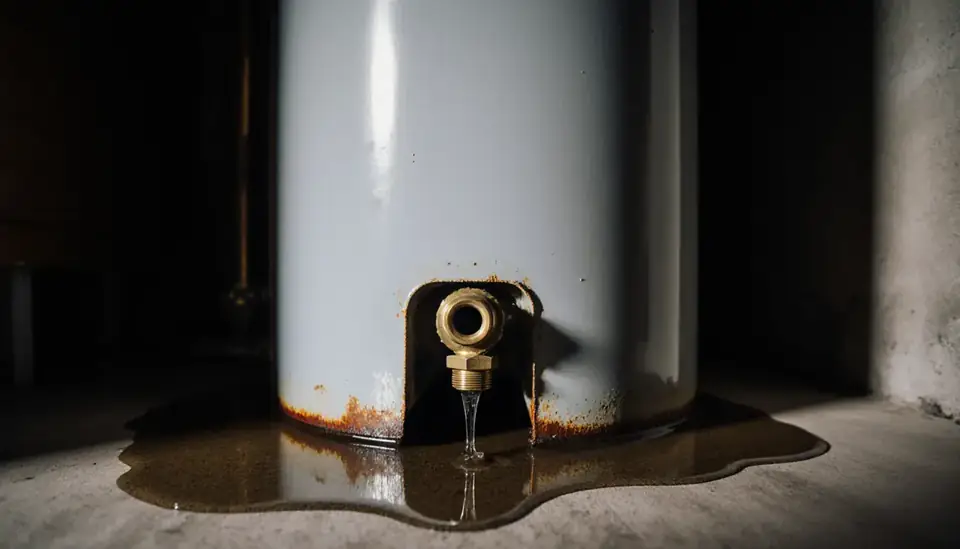
Leaks from inside the house, such as a split supply line in an empty rental, are usually clean water and can often be dried in place if caught early. Quick water extraction is what keeps those jobs small.
Empty Rentals, Sea Air and Mold
Wet materials do not dry on their own in the island's humid summers, and the town gets around 57 inches of rain a year. A house shut up between rentals with the air conditioning off can develop mold on drywall, cabinets or carpet within a few days of a leak. Owners who manage from out of town should arrange regular checks, especially after storms, and leave the HVAC running at a moderate setting. If mold appears, the fix starts with stopping the moisture source, then removing affected porous materials under containment and cleaning the framing before rebuilding.
Areas In and Around Oak Island
Calls come in from across Oak Island, including:
- Long Beach
- Yaupon Beach
The same line also serves nearby communities such as:
- Southport
- Caswell Beach
- Boiling Spring Lakes
- Holden Beach
- Varnamtown
- St. James
Frequently Asked Questions
Is the area under my raised Oak Island house covered by flood insurance?
Possibly only in part. Flood policies often treat enclosed space below an elevated home differently from the living area, and finished walls or stored belongings down there may not be covered the way you expect. Equipment such as HVAC units and water heaters may be handled differently again. Read your declarations page and ask your agent before a storm, since the answer depends on your zone, your policy and how the building sits relative to base flood elevation.
What is the 50 percent rule on Oak Island?
The town says that if the cost of rebuilding or improving a building equals or exceeds half of its value before the damage, the whole structure must be brought up to current building and floodplain requirements. That can mean elevating an older house. Talk to the town's development services staff before starting major repairs after a storm.
My rental leaked while it was empty. Where should I start?
Shut off the water at the main, take photos and video of every wet area, and get drying started as soon as you can. Mold grows quickly in this climate. Let your property manager and insurer know right away, and keep any upcoming guests informed. A provider can measure moisture inside walls and floors to show how far the water traveled.
Does Oak Island keep elevation certificates?
Yes. The town says it has elevation certificates on file for most existing structures in its special flood hazard areas. An elevation certificate shows how high the building sits relative to the base flood elevation, which affects flood insurance pricing and rebuilding requirements.