

Frog Level got its name from Richland Creek. The low district beside the railroad in Waynesville flooded often enough in its early years that the nickname stuck, and in September 2024 Helene proved the point again, bringing the worst flooding on record from Richland Creek to both Frog Level and Hazelwood. The rest of town sits higher, spread across a valley at about 2,700 feet in the county with the highest average elevation east of the Mississippi, where hard freezes and steady rain cause their own kinds of water trouble.
The Restoration Job connects Haywood County callers with help at no charge. Dial (888) 317-9980 day or night and we will link you with an independent restoration provider that works in Waynesville. Providers run their own crews and set their own rates, and many of them handle after-hours emergencies.
How the call works: when you call (888) 317-9980, The Restoration Job connects you with an independent restoration provider that serves Waynesville. That provider inspects the damage, explains the scope and quotes the work. The Restoration Job doesn't perform restoration itself. Read our referral disclosure.
Richland Creek, Frog Level and Hazelwood
Richland Creek runs through the Waynesville valley on its way to the Pigeon River, and the town grew up along it. Frog Level developed after the railroad arrived in 1884, and Hazelwood, a separate town until it merged with Waynesville in 1995, also sits close to the creek. Both include older buildings on low ground close to the water.
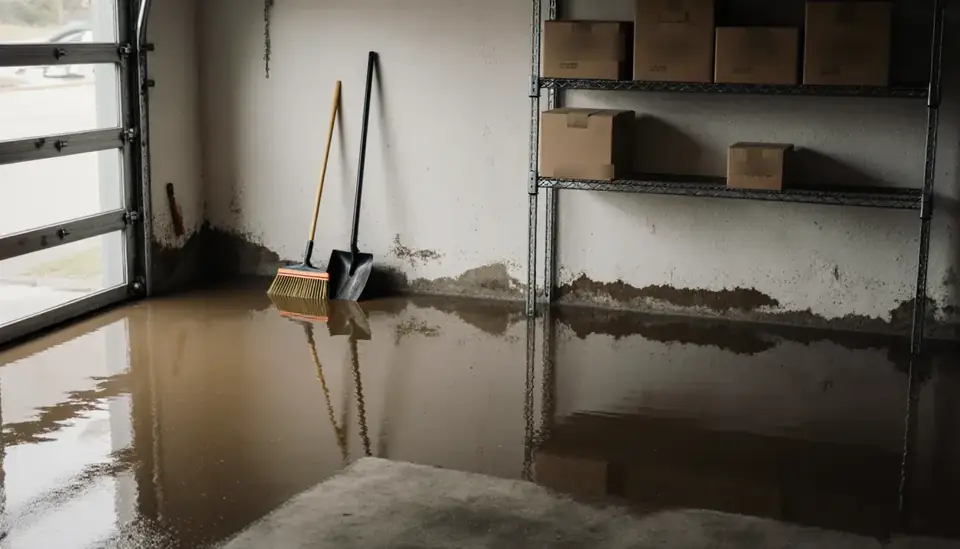
When Richland Creek leaves its banks, water moves through ground floors carrying mud and debris, and it can stay in basements and crawl spaces after the street has drained. Professional flood cleanup in these buildings typically means removing soaked flooring, wallboard and insulation, cleaning the structure and drying the framing before anyone rebuilds. Owners of older masonry buildings should expect moisture to linger in brick and block longer than in a wood-framed house.
Lessons From Fred in 2021 and Helene in 2024
Haywood County has had two severe floods in three years. Tropical Storm Fred in August 2021 dropped more than nine inches in 24 hours at Cruso, killed six people in the county, destroyed 225 structures and damaged 687 homes. Helene followed in September 2024 with severe flooding in Waynesville, Clyde, Canton, Bethel and Maggie Valley, and five deaths in Haywood County.
A few practical takeaways from those events:
- Photograph water lines and damaged contents before removal; adjusters and assistance programs will ask for them.
- Ground-level mechanical rooms and furnaces in basements are often ruined by floodwater and need to be checked before they are restarted.
- Power outages after big storms delay drying, so getting wet materials out quickly matters even before equipment can run.
Twenty Below and Burst Pipes
Waynesville's record low is 22 degrees below zero, and the town averages almost 11 inches of snow a year, more than most places in the state. Pipes in crawl spaces, garages and exterior walls are the usual victims, and many homes on the surrounding slopes have long supply runs exposed to the cold. Rental cabins and second homes that sit empty in winter are at particular risk.
If a line bursts, close the main shutoff and turn off the water heater, then pull wet rugs and furniture out of the affected room. A provider can handle water extraction and set up drying equipment, and should check the floor system below, since water from an upstairs break often ends up in the subfloor and crawl space.
Basements, Hillside Lots and Mold
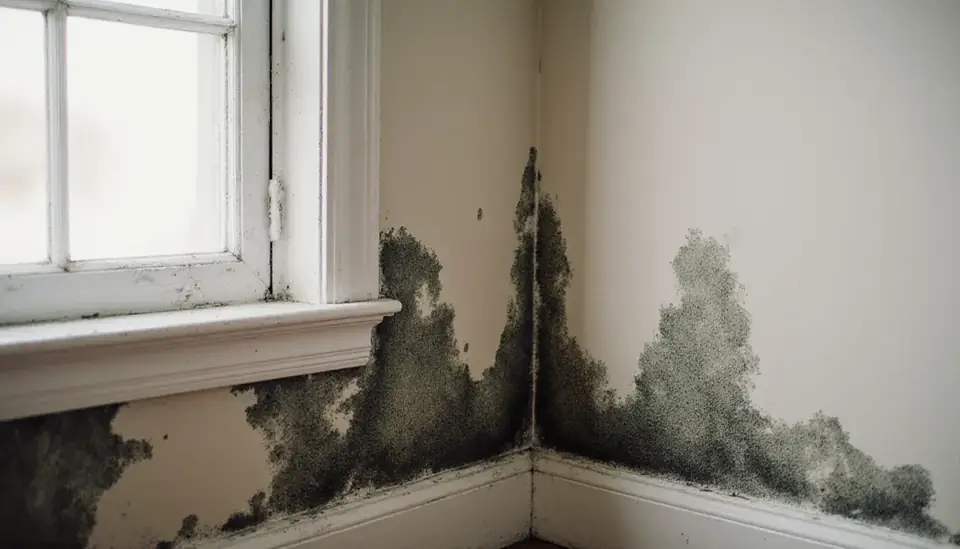
Building on a valley slope means many Waynesville houses have a lower level dug into the hill. Those walls hold back damp soil all year, and about 50 inches of annual precipitation keeps that soil wet. Efflorescence on block walls, peeling paint and a musty odor are early signs of trouble.
After any water event, finished basements need attention quickly. Carpet pad, drywall and paneling that stay wet are where mold usually starts, and a dehumidifier alone rarely catches up once a basement is saturated. For growth that covers more than a small area, containment and removal of affected materials is the standard approach. Correcting grading and drainage outside keeps it from coming back.
Permits, Flood Zones and Who to Call
Repair work in town may need permits; the Town of Waynesville posts its ordinances and permit information online, and Town Hall on South Main Street can answer questions. Before rebuilding near Richland Creek, look up the property on the state Flood Risk Information System to see its mapped zone, since that affects both flood insurance and some building requirements.
Remember that standard homeowners insurance does not cover rising floodwater. Burst pipes and roof damage from wind are separate claims. For a broader look at mountain flooding across the state, see the North Carolina service area page.
Waynesville Neighborhoods and Surrounding Towns
Calls come in from across Waynesville, including:
- Frog Level
- Hazelwood
- Downtown Waynesville
The same line also serves nearby communities such as:
- Lake Junaluska
- Clyde
- Maggie Valley
- Canton
Questions From Waynesville Property Owners
Is Frog Level still prone to flooding?
Yes. Frog Level sits on low ground beside Richland Creek, and Helene in 2024 produced the worst flooding recorded there. Businesses and homes in the area should know their flood zone, keep valuables and equipment off the floor in lower levels, and consider a separate flood policy. After any high-water event, have walls and floors checked for trapped moisture even if the water receded quickly.
How do I deal with water in a basement built into a hillside?
Start by finding where it enters: through the wall, at the floor joint, or from a window well or door. Remove standing water, take out wet carpet and padding, and run dehumidification. If water keeps coming in after each rain, a drainage contractor may need to address grading, gutters or a perimeter drain. Persistent dampness in Waynesville basements is a common route to mold.
My vacation rental in Haywood County had a frozen pipe burst. Who can help?
Call (888) 317-9980. We will connect you with an independent restoration provider that serves Waynesville and the surrounding area. Before they arrive, shut the main valve if you can, and take photos for your insurer. Upstairs breaks often send water into ceilings and subfloors below, so make sure the lower level is checked too.