
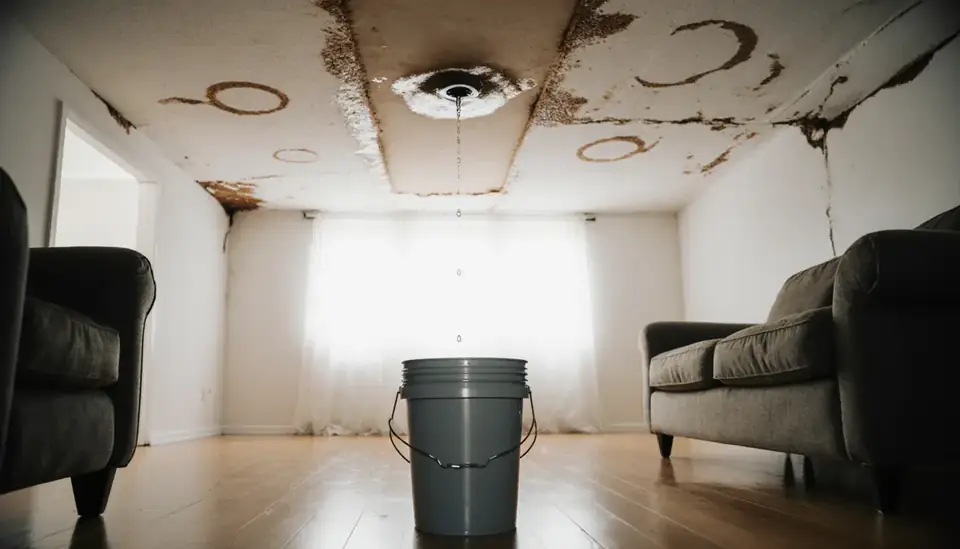
Few towns put so much old housing so close to tidal water. Beaufort sits on Port Royal Island, shares that island with the Town of Port Royal, and reaches across the Beaufort River onto Lady's Island. Its 304-acre downtown is a National Historic Landmark district made up of five neighborhoods: Downtown, The Point, The Bluff, The Old Commons and the Northwest Quadrant. Water problems in those blocks can involve old framing, plaster walls and wood floors, while the newer areas such as Mossy Oaks and Royal Oaks deal with more ordinary roof, pipe and drainage failures.
Our phone line, (888) 317-9980, is free and open around the clock. We will connect you with an independent restoration provider that serves Beaufort; that company sets its own rates and schedule.
How the call works: when you call (888) 317-9980, The Restoration Job connects you with an independent restoration provider that serves Beaufort. That provider inspects the damage, explains the scope and quotes the work. The Restoration Job doesn't perform restoration itself. Read our referral disclosure.
The Beaufort River, Marsh Edges and Storm Tides
The city's listed elevation is about 20 feet, but that average hides plenty of low ground at the marsh edge and along tidal creeks. The 1893 Sea Islands Hurricane wrecked the local economy for decades, and modern storms still push water up the river. During Hurricane Matthew in October 2016, the National Weather Service reported inundation of 1 to 2 feet across much of the area and up to about 3.75 feet in parts of Beaufort County, with some of the deepest water away from the open coast.
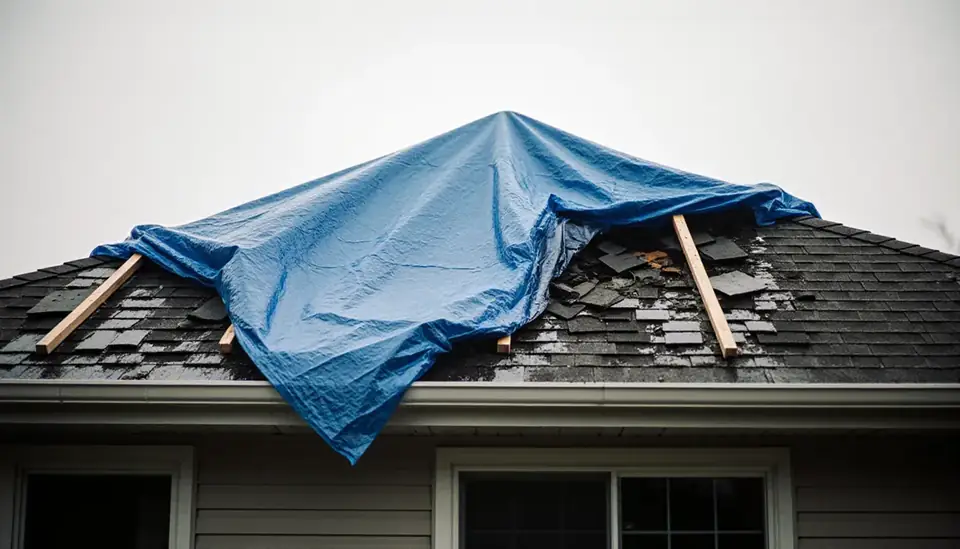
Wind and tornadoes matter too. Early on August 6, 2024, Tropical Storm Debby spun up an EF0 tornado on Lady's Island with estimated winds of 85 mph that damaged trees and structures near Sams Point Road. Damage like that turns into interior water damage the moment the next band of rain arrives, so getting openings tarped and calling for storm damage cleanup quickly limits the loss.
Saving Plaster, Heart Pine and Old Framing in the Historic District
A soaked historic house needs a different approach from a modern slab home. Plaster walls on wood lath can often be dried in place instead of demolished, and old-growth pine floors may cup as they absorb water and then flatten again with slow, controlled drying. Rushing the job with heat can crack plaster and split boards. Ask your provider how it plans to dry materials it intends to keep and how it will document moisture readings day by day.
- Before removing original trim, doors or flooring, photograph it and ask whether it can be salvaged and reinstalled.
- Exterior changes in the landmark district may need city approval before work starts, so check with the city before replacing windows, siding or porch elements.
- Raised houses often have crawl spaces where insulation and joists stay wet long after the living areas look dry; make sure someone goes under the house.
Downtown Drainage Work on Charles, Craven and Duke Streets
The City of Beaufort has been rebuilding parts of the downtown drainage system. The Charles/Craven Street Drainage Project finished its underground pipe work in fall 2026, and a separate Duke Street streetscape and drainage project between Hamar and Bladen streets was getting under way at the same time. In the meantime, as in any low-lying coastal town, a heavy downpour that lands near high tide can leave water standing in low streets and yards.
If water from a street or yard enters your home, treat it as floodwater. It often carries sediment and bacteria, and soaked carpet pad, insulation and lower drywall generally need to come out. Keep in mind that a standard homeowners policy usually excludes flood; that coverage is sold separately.
Humid Summers, Closed-Up Houses and Mold
Beaufort averages about 45 inches of precipitation a year in a humid subtropical climate. Moisture that gets into a wall cavity or crawl space has little chance of drying on its own between June and October. Mold growth on drywall paper, wood and carpet backing can begin within a day or two. Professional structural drying uses air movers and dehumidifiers sized to the space and tracks moisture until framing is back to normal. If growth is already visible over a wide area or the house smells musty after the water is gone, ask about containment and cleaning before rebuilding.

Military Families, Renters and Insurance Calls
Marine Corps Air Station Beaufort and Parris Island shape the local housing market, and many people in town rent. If you rent, report a leak to your landlord or property manager in writing right away; the owner's policy typically covers the building, while your own renters policy covers belongings. Owners should call their insurer early, keep receipts for emergency work, and avoid throwing away damaged items before an adjuster has seen them or they are photographed. Nearby Port Royal shares many of the same conditions on the southern end of the island.
Areas In and Around Beaufort
Calls come in from across Beaufort, including:
- The Point
- The Bluff
- The Old Commons
- Northwest Quadrant
- Pigeon Point
- Mossy Oaks
- Royal Oaks
- Spanish Point
- Higginsonville
- Cottage Farms
The same line also serves nearby communities such as:
- Port Royal
- Burton
- Laurel Bay
- Shell Point
- Lady's Island
- Bluffton
Questions From Beaufort Property Owners
Can water-damaged plaster in an old Beaufort house be saved?
Often it can. Plaster on wood lath tolerates water better than drywall and can usually be dried in place if the leak was clean water and the plaster is still bonded to the lath. A provider will check for sagging or loose sections and take moisture readings. Plaster soaked by floodwater, or plaster that has detached, is more likely to need removal and repair.
Do I need permission before repairing storm damage in the historic district?
Emergency steps such as tarping a roof, extracting water and drying the interior generally should not wait. Permanent exterior changes in the National Historic Landmark district are a different matter, and the city may need to approve replacement windows, siding or porch work. Call the city before ordering materials so the rebuild does not stall.
Why did my yard flood during a storm that wasn't a hurricane?
In low parts of town, heavy rain arriving near high tide can overwhelm drainage that empties toward the river and marsh. The city has drainage projects under way downtown, including on Charles, Craven and Duke streets. If water entered your home, document it, check whether you carry flood insurance, and dry the structure quickly to limit mold.