
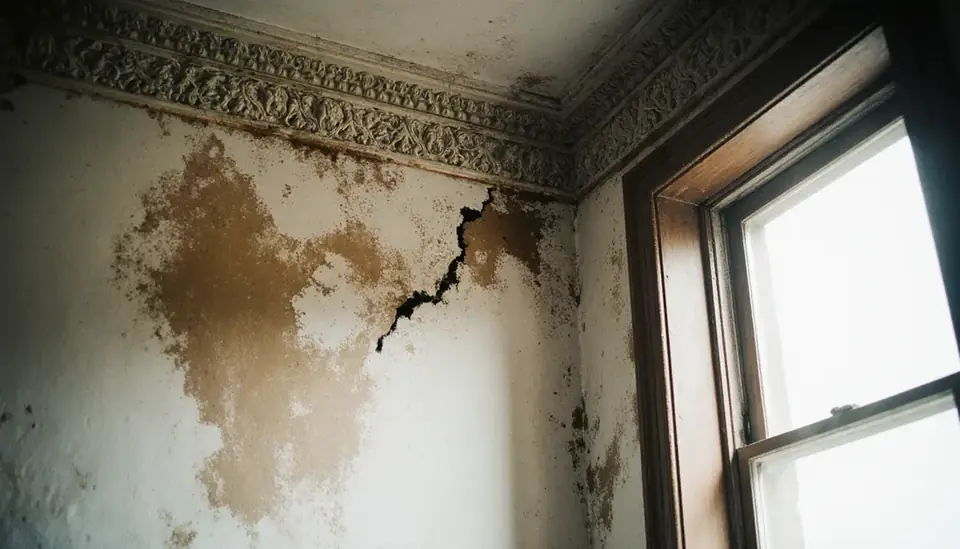
Few towns in the Carolinas sit closer to the water than Georgetown. The city occupies the head of Winyah Bay where the Black, Great Pee Dee, Waccamaw and Sampit rivers meet, and Wikipedia lists its elevation at about 3 feet. Laid out in 1729 on a four-by-eight block grid, it became the center of a rice economy that, by 1840, produced nearly half the rice grown in the United States. The Georgetown Historic District now includes more than fifty homes, public buildings and sites on the National Register, many of them only a short walk from the waterfront on Front Street.
The Restoration Job can help you find someone fast. Call (888) 317-9980 and we will connect you, at no charge, with an independent restoration provider that serves Georgetown. Providers set their own pricing and schedules, and many respond to emergencies.
How the call works: when you call (888) 317-9980, The Restoration Job connects you with an independent restoration provider that serves Georgetown. That provider inspects the damage, explains the scope and quotes the work. The Restoration Job doesn't perform restoration itself. Read our referral disclosure.
Front Street, Winyah Bay and the Surge From Ian
Hurricane Ian made its final landfall near Georgetown around 2 p.m. on September 30, 2022, as a Category 1 storm. The National Weather Service in Wilmington reported storm surge flooding along Front Street and in downtown businesses, and peak water in residential areas along Bolick Street reached slightly over 2 feet above ground level. Earlier, Hurricane Hugo in September 1989 left its own mark on the city and county.
For downtown building owners, surge flooding means saltwater and bay mud in ground-floor shops, offices and storage rooms. Those spaces need contaminated materials removed, surfaces cleaned and the structure dried before reopening, and electrical and HVAC equipment that sat in salt water should be inspected before it is used again.
When River Floods Arrive Two Weeks Late
Georgetown's location at the bottom of a huge river system creates a second kind of flood. After Hurricane Florence made landfall in North Carolina in September 2018, rain that fell far upstream took time to drain down the Waccamaw and Great Pee Dee. According to the National Weather Service, those flood waves reached Georgetown almost two weeks after landfall. On September 28, high water flooded Constitution Park along Orange Street and covered Front Street.
That delay matters. Long after the sun comes out, river levels can still be rising here, so keep watching official forecasts and do not move belongings back to lower floors too soon. Slow-rising water also tends to sit for a while, which means longer soaking for walls and floors and a greater need for thorough flood cleanup.
Historic Homes Need a Careful Hand
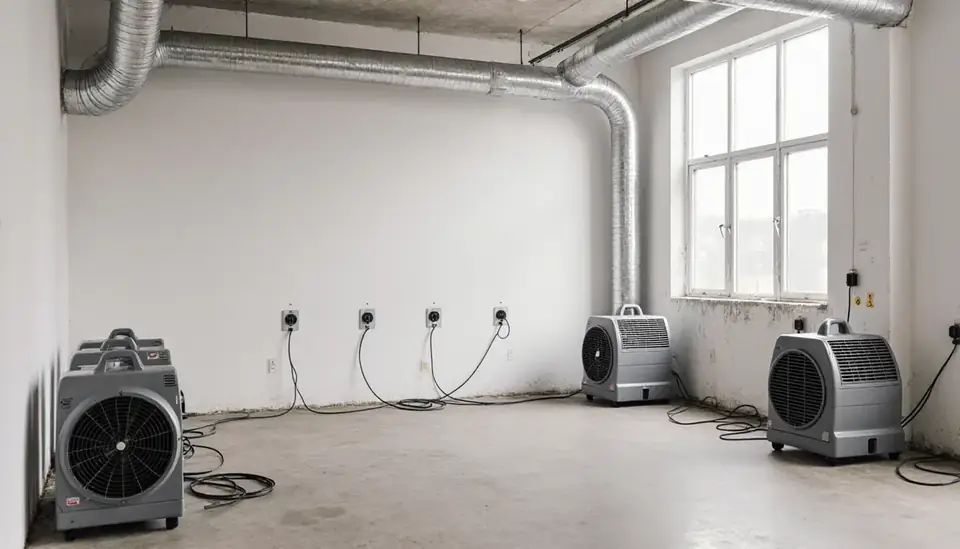
Water damage restoration in the historic district calls for more care than a modern slab house. Old wood floors, plaster walls, original trim and crawl-space foundations typical of older houses respond differently to water and to drying equipment. Drying too aggressively can crack plaster and cup or split old flooring, while drying too slowly invites mold.
- Ask the provider how they will protect historic materials and which, if any, must be removed.
- Photograph original features before work begins.
- Check with the city whether exterior repairs need approval in the historic district before replacing windows, siding or roofing.
Controlled structural drying with careful monitoring often allows more original material to stay in place.
Humidity, Rain and Mold Around Winyah Bay
Georgetown averages about 55 inches of precipitation a year and summer highs near 90 degrees, so moisture is always in the air. After any flood or leak, mold can establish itself on damp drywall, wood framing and the undersides of floors in a matter of days, especially in crawl spaces that stay wet after river water recedes. Getting air moving and dehumidifiers running quickly is the main defense. Where growth has already started, mold remediation should remove affected porous materials and address the moisture source, not just clean the surface.
Insurance, Elevation Certificates and County Help
Flood damage from surge or river water falls under flood insurance, not a standard homeowners policy. Georgetown County's flood protection page notes that its flood ordinance requires an elevation certificate to rate post-FIRM buildings and to obtain a building permit in a special flood hazard area, and it links to the NFIP's FloodSmart site. County Emergency Management, based on Highmarket Street, posts hurricane information and CodeRED alert signup. Residents along the Waccamaw Neck in Murrells Inlet deal more often with marsh surge than river flooding.
Where Callers in the Georgetown Area Are
Calls come in from across Georgetown, including:
- Georgetown Historic District
- Downtown Front Street
The same line also serves nearby communities such as:
- Maryville
- Andrews
- Pawleys Island
- Murrells Inlet
- Sampit
- Plantersville
Frequently Asked Questions
Why can Georgetown flood days after a storm has passed?
The city sits where four rivers meet Winyah Bay, so rain that fell far inland eventually drains past it. After Hurricane Florence in 2018, the National Weather Service reported that flood waves on the Waccamaw and Great Pee Dee reached Georgetown almost two weeks after landfall, covering Front Street on September 28. Keep watching river forecasts after major storms upstream.
My downtown business took on saltwater. Where do I start?
Make sure power is off to wet areas, photograph everything and contact your flood insurer. Saltwater-soaked drywall, insulation and flooring generally need to come out, and equipment should be inspected before use. Call (888) 317-9980 and we will connect you with an independent restoration provider serving Georgetown who can extract water, remove damaged materials and set up drying.
Can water-damaged floors in a historic Georgetown home be saved?
Often, at least partly. Old solid-wood flooring can sometimes be dried in place if it was soaked by a clean leak and drying begins quickly, though floodwater contamination changes the decision. A provider should measure moisture daily and dry gradually to limit cupping and cracking. Document the original materials before any are removed in case they need to be matched later.