
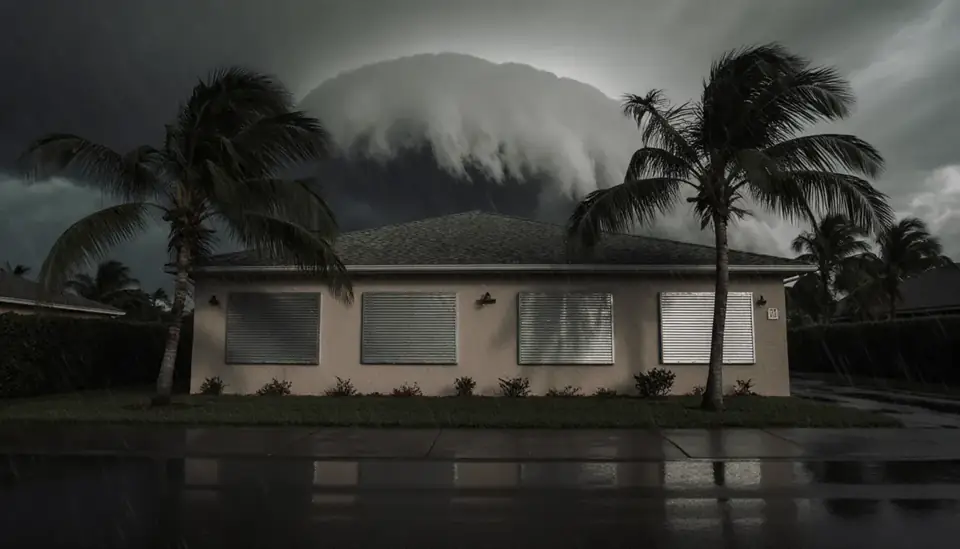
Ten miles of beach, a web of marsh and tidal creeks, and a chain of man-made lagoons make up most of what you see on Kiawah. The island sits about 7 feet above sea level, and roughly a quarter of its 15 square miles is water. The Town of Kiawah Island's own flood studies show how quickly that water can spread: during Tropical Storm Irma in 2017, at least 73 percent of the island had flooding at some point, and garages and first-floor spaces took damage.
Help finding a contractor is free here: The Restoration Job is a referral line, and when you call (888) 317-9980 we connect you with an independent restoration provider that serves Kiawah and the surrounding sea islands. Pricing and scheduling are up to the provider you speak with; many handle after-hours emergencies.
How the call works: when you call (888) 317-9980, The Restoration Job connects you with an independent restoration provider that serves Kiawah Island. That provider inspects the damage, explains the scope and quotes the work. The Restoration Job doesn't perform restoration itself. Read our referral disclosure.
Tides, Lagoons and Surge: How Kiawah Floods
A 2017 report by the town's Environmental Committee identified four forces working on the island at once: tidal flooding, storm surge, extreme rainfall and sea level rise. The record so far bears that out. Over four days in early October 2015, 16 to 20 inches of rain fell and about 42 percent of the island's land surface was under water at some point. Hurricane Matthew a year later pushed the Charleston tide 3.5 feet above mean higher high water, and about 65 percent of Kiawah saw some water along with dune erosion. Irma's 4.15-foot tide in 2017 was worse still.
Drainage here depends on a system of interconnected ponds, ditches and spillways that, according to the town, can hold a rainfall event equal to a 100-year flood. The weak point is the outfall. When a high tide or surge is sitting against the spillway gates, rainwater has nowhere to go, and the town warns that a single plastic bag caught in a spillway gate can back up water across a large area. Tropical Storm Debby in August 2024 added another twist: a gauge just west-southwest of the island logged 8.67 inches over five days, and an EF0 tornado with 85 mph winds crossed the island, mostly downing trees around the golf course and residential areas.
Second Homes and Rentals: Leaks Nobody Sees for Weeks
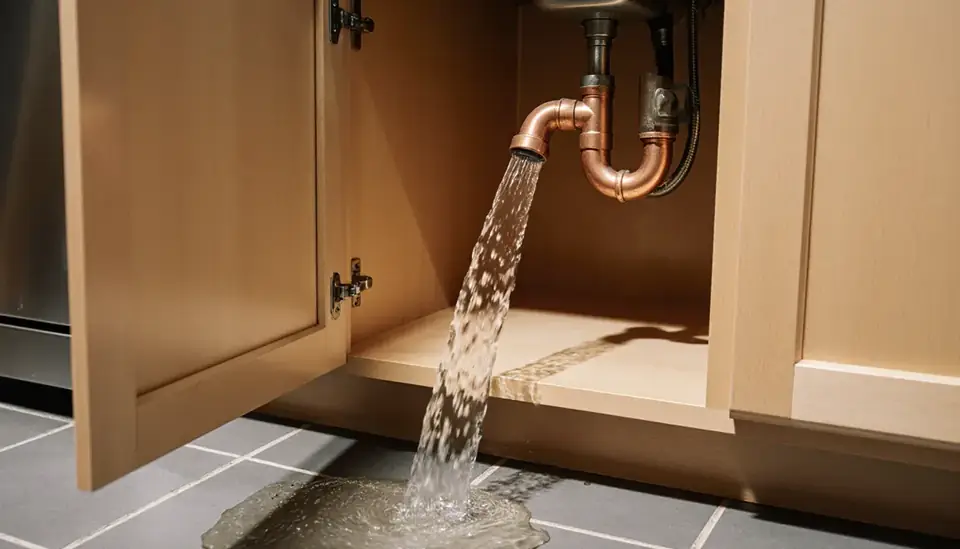
About 2,000 people live on Kiawah year-round, but the population climbs past 10,000 in the busy season. That gap means plenty of houses and rentals sit closed up between visits, and an empty house is where a small leak turns into a large claim. A failed supply line under a vanity, an overflowing AC condensate pan in the attic or a water heater that lets go in a garage can run for days before anyone opens the door.
- Have someone walk through the house after every named storm and every heavy rain, not only after evacuations.
- Shut off the main water valve when the house will be empty for an extended stretch, and know where it is before you need it.
- Check ceilings beneath attic air handlers and look at baseboards near bathrooms and laundry rooms for swelling or staining.
- Photograph damage with dates before anything is moved; insurers ask when the water started.
When a leak has gone unnoticed, the water has usually wicked into wall cavities and subfloors, which is where structural drying with moisture readings matters more than surface cleanup.
Saltwater in Garages and Ground Floors
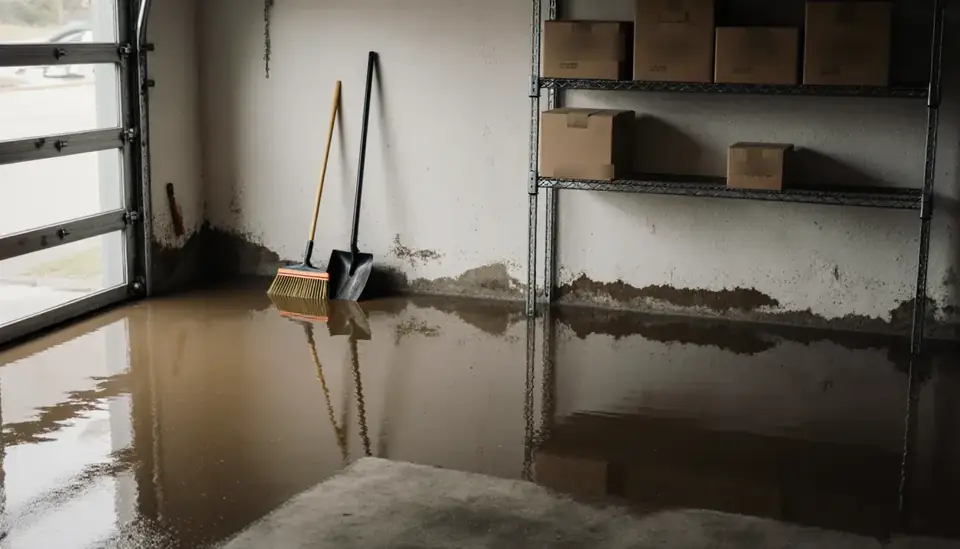
The damage the town recorded after Irma, garages and first-floor spaces, is typical of what surge and extreme tides do to elevated coastal houses. Water that comes in from the marsh or the beach is brackish or salty and carries mud and debris, so it is treated differently from a burst pipe. Wet drywall, insulation and carpet that sat in floodwater generally come out rather than being dried in place, and anything stored on the ground level, from golf carts to freezers to HVAC equipment, should be checked by the appropriate technician before it is run again.
A restoration provider handling flood cleanup after a tide or surge event will typically pump out standing water, remove soaked materials to a point above the waterline, clean and disinfect what remains, and then dry the structure until readings return to normal.
Permits, KICA and Rebuilding After a Flood
Kiawah participates in the National Flood Insurance Program and the Community Rating System. Before you build, alter, remodel, regrade or add fill, the town says to check with Town Hall, the Kiawah Island Community Association (KICA) and the island's architectural design board, because permits are required. Emergency drying and removal of wet material is usually the first step, but replacing walls, flooring or equipment below the flood elevation is the kind of work that needs those approvals.
Keep in mind that a standard homeowners policy does not cover flooding from rising water; that is handled by a separate flood policy. Wind-driven rain through a damaged roof and a burst pipe inside the house are generally treated differently from tide or surge water, so documenting the source of the water helps sort out which policy applies.
Mold in Closed-Up Island Houses
Lowcountry summers are hot and humid, and a house with the air conditioning set high or switched off between visits gives mold everything it needs once materials get wet. Growth commonly shows up first behind baseboards, inside cabinets under sinks and on the back of drywall that was wet but looked dry from the room side. If a home has been closed with water in it for more than a couple of days, it is worth having moisture mapped and any growth assessed before the next guests arrive. Providers that offer mold remediation typically contain the area, remove affected porous materials and address the moisture source so it does not return.
Kiawah Island Neighborhoods and Surrounding Towns
Calls come in from across Kiawah Island, including:
- East End
- West End (Beachwalker Park)
- Turtle Point
- Cassique
- Ocean Course
The same line also serves nearby communities such as:
Questions From Kiawah Island Property Owners
Why does my street on Kiawah flood during heavy rain even when the lagoons are not full?
The island's ponds and lagoons drain to tidal water through spillways and outfalls. If rain arrives near high tide, or during a king tide or storm surge, the outfalls cannot discharge, so water backs up even though the system has capacity on paper. The town also notes that debris such as a single plastic bag can clog a spillway gate. Report blocked structures to the town so they can be cleared.
What should I do first if I find water in a Kiawah rental or second home I just arrived at?
Shut off the main water supply if the source is plumbing, turn off power to wet areas if it is safe, and photograph everything before moving items. Then call your property manager and insurer. Water that has sat for days has often spread into walls and subfloors, so ask the restoration provider to take moisture readings beyond the visibly wet area before deciding what can be dried and what must be removed.
Do I need a permit to repair flood damage on Kiawah Island?
The town says permits are required before you build, alter, remodel, regrade or add fill, and that owners should also check with KICA and its architectural design board. Emergency steps like extracting water and removing soaked drywall usually come first, but replacement work, especially below the flood elevation, should be cleared with the town before it starts.
Is Kiawah Island in a hurricane evacuation zone?
Yes. The town lists Kiawah in Zone A, with evacuation via Bohicket and Main Road to US 17. After a storm, re-entry happens in phases that begin with damage assessment by the town's building services staff and KICA. Plan for the possibility that you cannot reach the house for several days, which makes a pre-storm walkthrough and photos more valuable.