
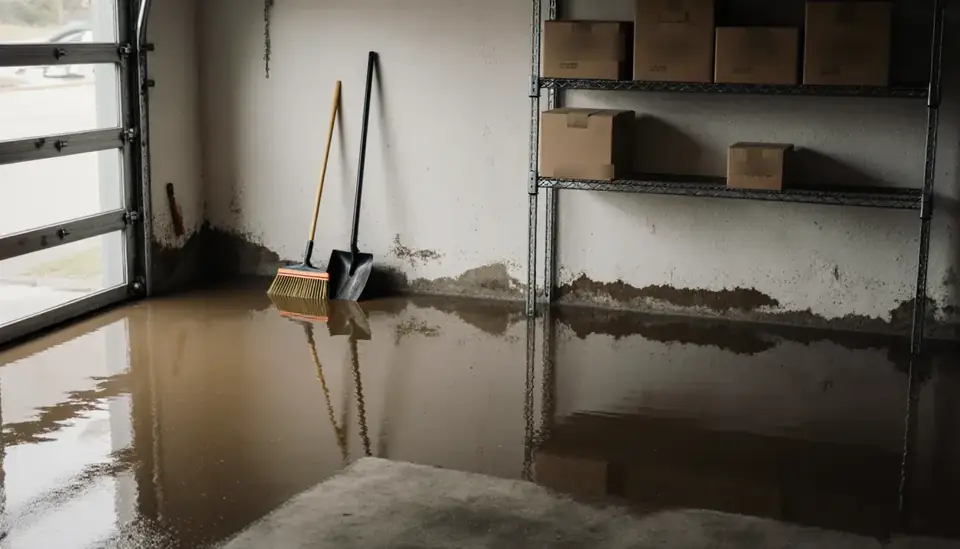
Rock Hill grew up around a railroad cut through a rocky Piedmont hill in 1852, and today it stretches from the Catawba River on the east to the shoreline of Lake Wylie along its northern edge. That mix of red clay uplands, river bottoms and lake coves means water finds its way into homes here in several different ways: heavy summer downpours that overwhelm gutters and grading, winter freezes that split pipes in crawl spaces, and the occasional tropical remnant pushing in from the coast.
The Restoration Job runs a free referral line. Call (888) 317-9980 and we will connect you with an independent restoration provider that serves York County, whether the problem is a failed water heater in a Winthrop-area rental, a ceiling stain after a thunderstorm or a wet basement near the lake. Providers set their own pricing and schedules, and many offer emergency service around the clock.
How the call works: when you call (888) 317-9980, The Restoration Job connects you with an independent restoration provider that serves Rock Hill. That provider inspects the damage, explains the scope and quotes the work. The Restoration Job doesn't perform restoration itself. Read our referral disclosure.
Clay Soils, River Bottoms and Lake Wylie Coves
The city sits at roughly 676 feet in the north-central Piedmont, and most lots rest on dense clay that sheds rain quickly instead of absorbing it. When a slow-moving storm parks over the area, runoff concentrates along driveways and foundation walls, and crawl spaces at the bottom of a slope tend to collect it. Homes in Rock Hill near the Catawba and in older sections close to small creeks can see standing water under the floor after one heavy evening.
Rainfall is spread fairly evenly across the year, about 42.6 inches on average, with June the wettest month. That pattern means there is no true dry season to let a damp crawl space recover on its own. Moisture that gets in during a June storm is often still there in August unless someone pulls it out with fans, dehumidifiers and, where needed, a vapor barrier repair.
Hugo, the 2004 Snow and Other Storms That Shaped Local Expectations
Hurricane Hugo reached the city on the morning of September 22, 1989, with sustained winds over 90 miles per hour, a reminder that a coastal hurricane can still do serious damage this far inland. Downed trees punctured roofs, and rain then followed the wind into attics and ceilings. Weaker tropical remnants repeat that sequence on a smaller scale.
Winter brings a different set of problems. The area recorded about 22 inches of snow in a 2004 storm, and the city's record low sits at four degrees below zero. Cold snaps are rare enough that many homes have uninsulated supply lines in crawl spaces and exterior walls, so a hard freeze can lead to split pipes that only start leaking once things thaw. Severe thunderstorms and tornadoes are part of the picture as well; an EF-2 tornado in November 2011 struck a few miles south and southwest of town and killed three people.

First Steps After a Leak or Flood in York County
- Shut off the main water valve if the source is a supply line, water heater or appliance. Rock Hill runs its own electric, water and sewer systems, so the city utility line at 803-329-5500 can help with a meter shutoff or outage.
- Keep power off in any room where water has reached outlets, baseboard heaters or an electrical panel.
- Photograph everything before moving it, including water lines on walls and the condition of the crawl space.
- Move rugs and stored boxes out of the wet area.
- Report clogged storm drains or street flooding through the city's stormwater reporting page rather than trying to clear a culvert yourself during a storm.
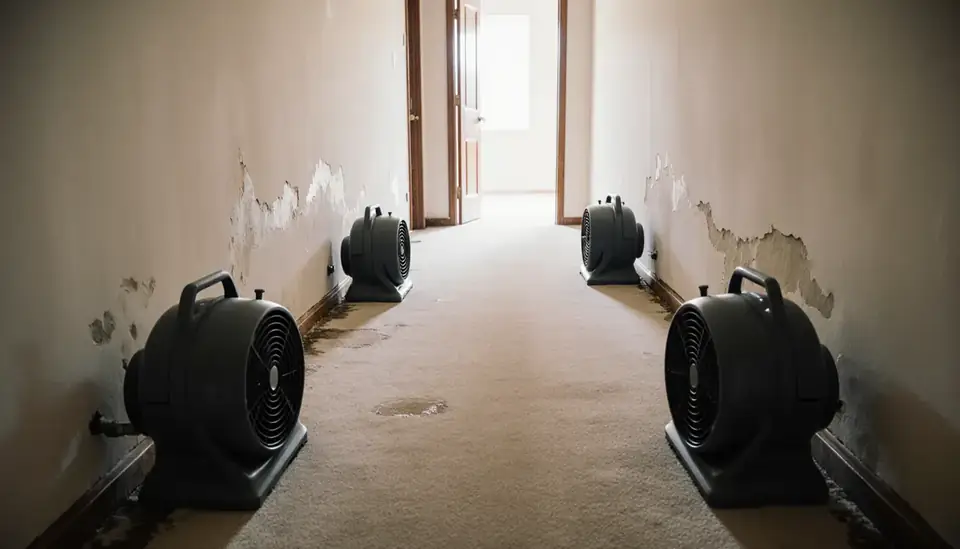
A restoration crew will usually begin with moisture readings, then water extraction from carpet and subfloor, followed by air movers and dehumidifiers sized to the space. Saturated drywall below the wet line is commonly cut out so wall cavities can dry.
Mold in Older Rock Hill Crawl Spaces
Long, muggy Piedmont summers let mold get going quickly. A crawl space that stays above about 60 percent relative humidity for weeks can grow visible colonies on joists and the underside of subfloors, especially where insulation has fallen or a vapor barrier has torn. Older homes near downtown and in established areas like Oakdale and Boyd Hill often have vented crawl spaces that pull in humid outdoor air all summer.
If a Rock Hill home has a musty smell, cupping hardwood or dark spotting on framing after a leak, a provider offering mold remediation can contain the area, remove damaged materials and dry the structure so the growth does not return. Bleach on the surface rarely solves the underlying moisture problem.
Lakefront and Riverside Properties
Homes in the India Hook area, much of which has been annexed into the city, sit along Lake Wylie, a Catawba River reservoir created in 1904 when the Catawba Dam was built nearby. Sloped lakefront lots with finished lower levels give rain a long downhill path toward the house. Basements built into a hillside can also take on groundwater through slab cracks even when the lake itself stays within its banks.
Standard homeowners policies generally do not cover rising surface water, so it is worth checking the FEMA flood map for your parcel and asking an agent about separate flood coverage. Neighbors across the river in Fort Mill and up the shoreline in Tega Cay face similar lake-edge questions.
Areas In and Around Rock Hill
Calls come in from across Rock Hill, including:
- Downtown
- Ebenezer
- Oakdale
- Newport
- Boyd Hill
- India Hook
The same line also serves nearby communities such as:
- Fort Mill
- Tega Cay
- York
- Lake Wylie
- Newport
- Lesslie
- Catawba
- Riverview
Rock Hill Water Damage Questions
Who do I call in Rock Hill if the leak is on the city side of the meter?
The City of Rock Hill operates its own water, sewer and electric utilities, so a break in a main, a meter box leak or a sewer backup that appears to start in the street should go to the city's utility line at 803-329-5500. Water damage inside the house, from the meter to your fixtures, is usually the owner's responsibility to dry out and repair.
Can Catawba River or Lake Wylie flooding be covered by my homeowners policy?
Usually not. Most homeowners policies exclude rising surface water, including river and lake flooding, while still covering sudden events like a burst pipe. Separate flood coverage through the National Flood Insurance Program or a private carrier is needed for that risk, and NFIP policies typically have a waiting period before they take effect. Check the FEMA flood map for your address first.
How long does it take to dry a wet crawl space in York County's humid summers?
Drying often takes several days with dehumidifiers running, and longer if the soil itself stays saturated or the vapor barrier is damaged. In summer, outdoor air is often too humid to help, so providers commonly close vents during drying. Moisture readings on joists and subfloor, not just how the space feels, show when the job is done.
Should I worry about frozen pipes in Rock Hill?
Hard freezes are uncommon but do happen, and the city's record low is minus four degrees. Pipes in crawl spaces, exterior walls and garages are the most exposed. During a cold snap, keep cabinet doors open, let a faucet drip, and know where the main shutoff is. Leaks from split pipes often show up only after the thaw.