
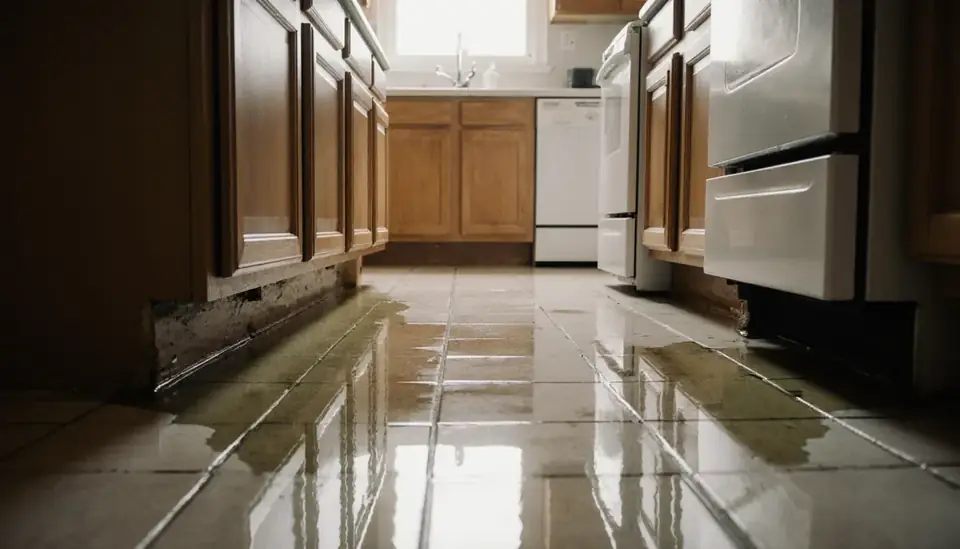
Summerville started out as Pineland Village and later drew visitors to its pine forests for their health. It sits higher and farther inland than Charleston, at about 43 feet above sea level. That keeps most of the town out of reach of tidal flooding, but it does not keep homes dry. Most water damage here comes from heavy rain on flat ground, wind-driven storms that open up roofs, and plumbing failures inside a housing stock that has multiplied in a few decades.
The Restoration Job is a free call-connection service rather than a restoration company. Call (888) 317-9980 any time and you will be connected with an independent provider that covers Summerville and the surrounding Dorchester County area. Each provider sets its own prices and availability, and many take emergency calls after hours.
How the call works: when you call (888) 317-9980, The Restoration Job connects you with an independent restoration provider that serves Summerville. That provider inspects the damage, explains the scope and quotes the work. The Restoration Job doesn't perform restoration itself. Read our referral disclosure.
Heavy Rain Far From the Ocean
Summerville averages about 52.7 inches of precipitation a year, with July the wettest month at nearly 7 inches and close to 12 rainy days. Those totals arrive mostly in short, intense thunderstorms. Inland subdivisions depend on ditches, culverts and retention ponds to move that water, and when a storm stalls overhead those systems can fall behind, sending water toward garages, slab edges and crawl-space vents.
The Oct. 1 to 5, 2015, flood showed how bad it can get. The National Weather Service reported widespread totals of 15 to 20 inches, with local amounts above 25 inches, concentrated in the Charleston tri-county area, and its damage survey included the Cane Bay subdivision with a Summerville address. Water that rises from ditches or ponds into a home is treated as flood water, so drywall, insulation and carpet it touches generally need to be removed and the structure dried before water damage repair can begin.
The Ashley River Edge and Low Ground Near Old Fort Dorchester
The town reaches south to the Ashley River near Colonial Dorchester State Historic Site. The Ashley is a blackwater river that starts in the Wassamassaw and Great Cypress swamps of western Berkeley County, consolidates its channel about five miles west of Summerville and becomes a tidal estuary just below Fort Dorchester. Property near the river and the low, swampy ground that feeds it sits closer to the water table than the rest of town, so crawl spaces can stay damp for long stretches after wet weather. Checking a parcel on the FEMA Flood Map Service Center is the fastest way to see whether it falls in a mapped flood zone.
Historic District Homes and Thousands of Newer Houses
Summerville's population grew from about 3,300 in 1950 to more than 50,000 by 2020, and Dorchester County more than doubled between 1980 and 2010. That growth produced two very different kinds of housing, each with its own water problems:
- The Summerville Historic District and downtown hold the town's oldest homes. Where these sit on raised foundations, slow leaks underneath can soften framing and subflooring for months before anyone notices.
- Subdivisions built since the 1980s make up much of the town today. In slab-on-grade homes with attic air handlers and garage water heaters, clogged AC condensate lines, failed water heaters and burst washer hoses are typical sources, and water on a slab wicks into drywall and baseboards quickly.
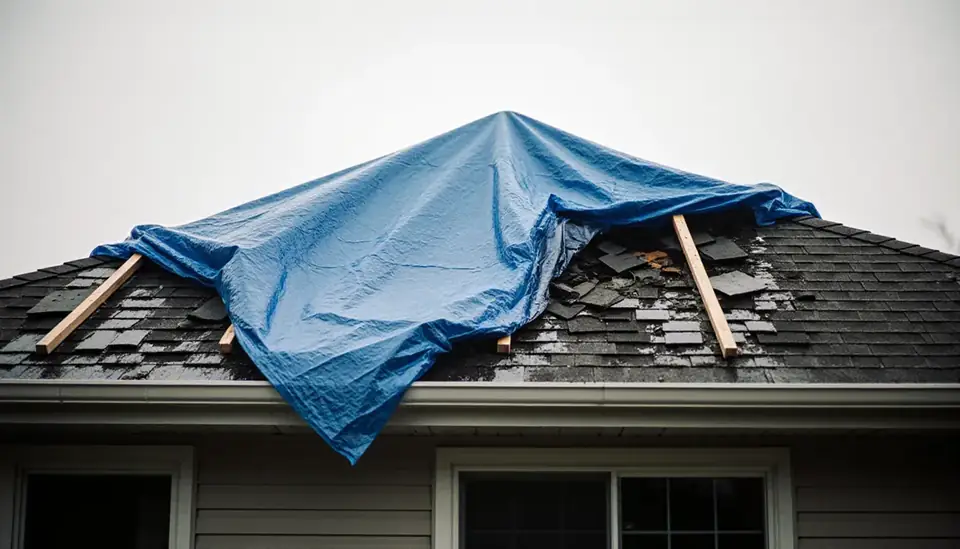
The town is known for its tree canopy; it passed what is described as the nation's first law against cutting down trees. Mature pines and oaks close to houses are part of the appeal, but during tropical storms and severe thunderstorms they also bring down limbs that puncture roofs.
What to Do in the First Day After Indoor Flooding
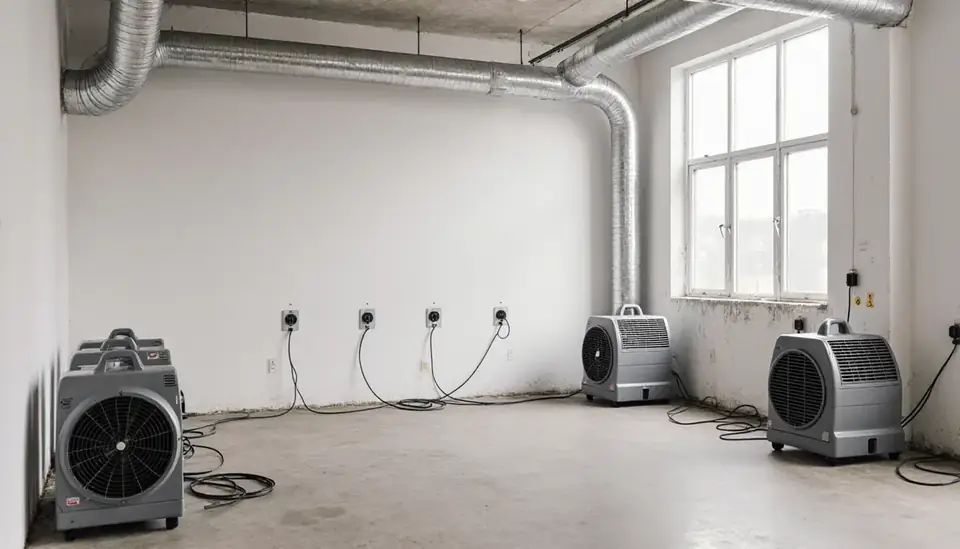
Turn off the water at the main if a pipe or appliance is the source, and shut off power to wet areas if it can be done safely. Photograph the damage and the source before moving anything. Pull rugs, cushions and stored boxes out of standing water and get them somewhere dry. Then arrange for structural drying, which means extracting water, removing materials that cannot be saved, and running dehumidifiers and air movers while moisture readings are tracked each day.
Summerville's humid summers make that last step important. Inland air is still damp much of the year, and wet drywall paper, carpet pad and wood framing can start growing mold within a few days. Opening windows usually does not help in July or August. If a musty odor appears weeks later, the cavity behind the wall may not have dried completely.
Storm Season Contacts for Dorchester County
The town's Storm Center page gathers the links residents need during an event: Dorchester County Emergency Management, the National Weather Service in Charleston, the South Carolina Emergency Management Division, SCDOT road conditions and outage reporting for Dominion Energy, Berkeley Electric Cooperative and Santee Cooper. Bookmark it before hurricane season, and use Dorchester County's tools to confirm your evacuation zone even though Summerville is inland.
Areas In and Around Summerville
Calls come in from across Summerville, including:
- Summerville Historic District
- Downtown Summerville
The same line also serves nearby communities such as:
- North Charleston
- Goose Creek
- Lincolnville
- Ladson
- Ridgeville
- Sangaree
Summerville Water Damage Questions
Summerville is inland. Do I still need to think about flood insurance?
It is worth checking. Being away from the coast removes most tidal risk, but heavy rain can still overwhelm ditches and ponds, as the 2015 flood showed across the tri-county area. Standard homeowners policies typically exclude rising surface water, which requires a separate flood policy. Look up your address on FEMA's flood maps and ask your agent what your current policy covers.
Why does my slab home keep getting water damage from the attic?
When the air handler sits in the attic, as it does in many slab homes, its condensate line or drain pan can clog with algae during the long cooling season. The overflow soaks ceiling drywall and insulation below. Clearing the line in spring, making sure a float switch is installed, and checking the pan occasionally prevents most of these leaks.
A pine limb punctured my roof in a thunderstorm. What comes first?
Get everyone out of the affected rooms and avoid wet ceilings that are sagging. Once it is safe, the opening needs to be covered quickly to stop more rain getting in, and wet insulation and ceiling materials need to come out. Tree removal and roof repair are often separate trades, so photograph everything for your insurer before work starts.
Can water damage in a historic Summerville home be dried without tearing everything out?
Often it can if the water was clean and the response is quick. Old-growth wood floors and plaster walls are worth saving, and providers can use controlled drying with moisture monitoring instead of demolition. Raised foundations help because the crawl space can be ventilated and dried from below. Contaminated flood water changes that, since porous materials it touches usually have to be removed.