
Clinton grew up at a sharp bend of the Clinch River, on the western fringe of the Appalachian ridge-and-valley country, and it has served as the Anderson County seat for generations. Upstream sits Norris Dam, the first dam the Tennessee Valley Authority built, completed in 1936 partly to tame the flooding that had long troubled the region. Downstream, Melton Hill Dam holds back a navigable lake that reaches up the river as far as Clinton.
Those dams keep the Clinch steadier than it once was, but they do not stop the water that causes most local damage: rain running off ridges, seepage into basements and crawl spaces, and plumbing that fails inside the house. Our free referral line links homeowners and businesses with independent restoration companies. Call (888) 317-9980, day or night, to reach a provider that serves Clinton and surrounding Anderson County.
How the call works: when you call (888) 317-9980, The Restoration Job connects you with an independent restoration provider that serves Clinton. That provider inspects the damage, explains the scope and quotes the work. The Restoration Job doesn't perform restoration itself. Read our referral disclosure.
Rain Spread Across Every Month on the Clinch
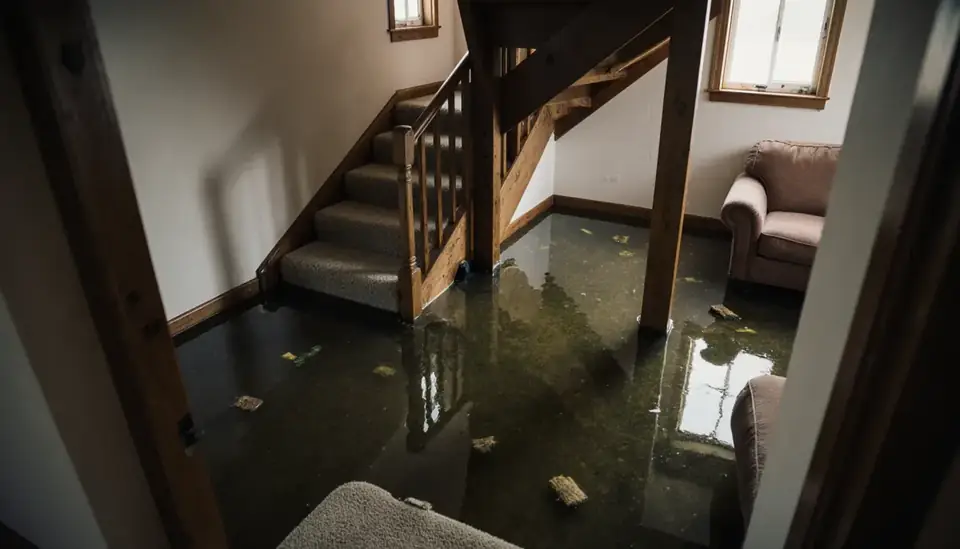
Clinton averages about 52.7 inches of precipitation a year, and it is spread fairly evenly through the calendar rather than packed into one wet season. That means a homeowner here can face saturated ground in January as easily as after a July thunderstorm. Winter and early spring rains are the ones that tend to linger, keeping soil wet for weeks and pushing groundwater into below-grade spaces.
Big regional events add to the background risk. In mid-February 2003, a slow storm system brought soaking rain on top of mountain snowpack, and the National Weather Service in Morristown listed Anderson County among more than two dozen counties with flooding, mudslides and damaged infrastructure.
Building Back in the Floodplain: Clinton's Permit Requirement
The City of Clinton requires a Flood Plain Development Permit for work in mapped flood areas, alongside its ordinary building and grading permits handled by the Codes and Zoning department. If your property is near the river or a mapped stream and it took on water, check with the city before rebuilding walls, replacing mechanical equipment or adding fill. Doing the paperwork first avoids having to redo work later.
It also helps to look up your property on FEMA's flood maps. Flood zone status affects both permitting and insurance, and standard homeowners policies do not cover rising water. Separate flood coverage is what typically pays for river or surface flooding.
Basements, Crawl Spaces and Sewer Backups
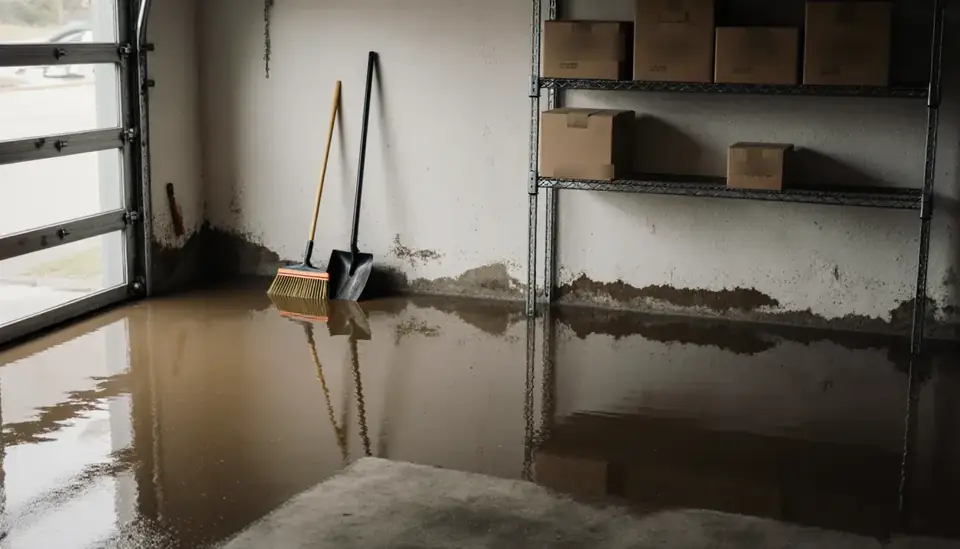
In a house built into a slope, the basement or crawl space is where water collects first. Common problems include:
- Seepage through foundation walls after several days of rain
- Sump pumps that fail during a storm or a power outage
- Floor drains and lower-level fixtures that back up when sewer lines are overloaded
- Wet insulation and sagging vapor barrier in crawl spaces after a plumbing leak above
Sewage backups need a different approach than clean water. Porous items that contact sewage are usually discarded, and the area must be cleaned and disinfected before drying. A provider that handles sewage cleanup will also protect unaffected rooms from cross-contamination.
From Extraction to Dry: A Typical Clinton Job
Most restoration work follows the same arc, adjusted to the house. Crews remove standing water first, then decide which materials can be dried in place and which must come out. Finished basements often lose carpet pad and the lower section of drywall. Crawl spaces get pumped out, debris and wet insulation removed, and dehumidifiers set up until wood framing reads dry. For a broader look at the process, see water damage restoration. Insurance adjusters generally want photos, moisture readings and a list of removed materials, so ask the provider to document as they go.
Musty Basements and Mold After Long Wet Spells
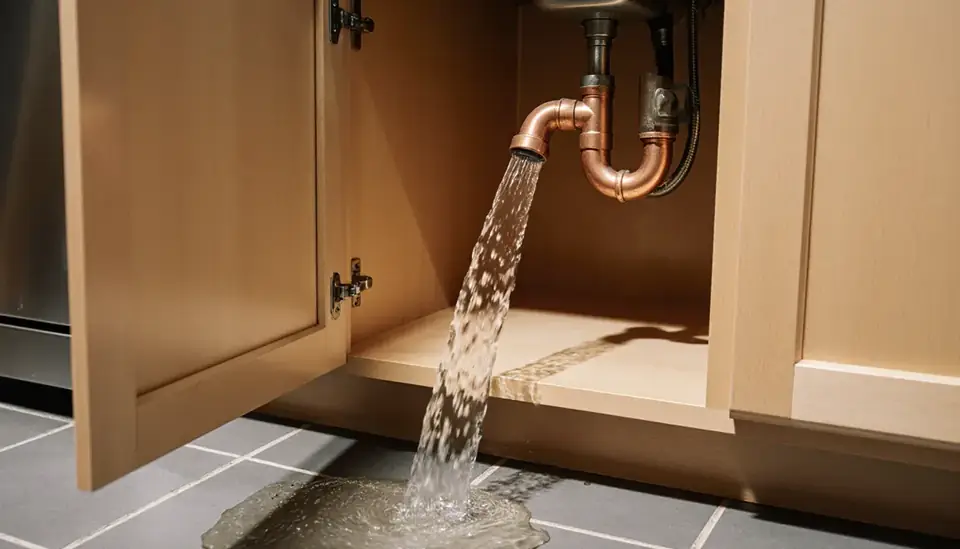
When rain is spread evenly across the year, below-grade spaces rarely get a long dry break. A finished basement that took on water even once can develop mold behind paneling or under carpet if it was not dried thoroughly. A persistent musty smell is the usual clue. Addressing the moisture source, whether that is grading, a gutter outlet or a failed sump, matters as much as cleaning visible growth, and a mold remediation provider can help with both.
Areas In and Around Clinton
Calls come in from across Clinton, including:
- South Clinton
The same line also serves nearby communities such as:
Questions From Clinton Property Owners
Do I need a permit to rebuild after flood damage in Clinton?
Possibly. The city requires a Flood Plain Development Permit for work in mapped flood areas, in addition to standard building and grading permits through Codes and Zoning. Cleanup, extraction and drying usually go first, but replacing walls, equipment or adding fill in a floodplain may need approval. Call the city's codes office before reconstruction starts to confirm what applies to your address.
Since Norris Dam controls the Clinch, can my house still flood?
Yes. Norris Dam was built in part for flood control, and it reduces river flooding, but heavy rain can still overwhelm local drainage, back up storm and sewer lines and push groundwater into basements. Those problems are independent of the river level. Homes near small streams or at the bottom of a slope are most likely to see surface water.
How do I report storm damage in Anderson County?
The Anderson County Emergency Management Agency is based in Clinton and runs a damage assessment team plus an online storm damage reporting system and mobile app. Reporting helps the county document a storm's impact, which matters when officials request state or federal assistance. For anything life-threatening, call 911 first.