
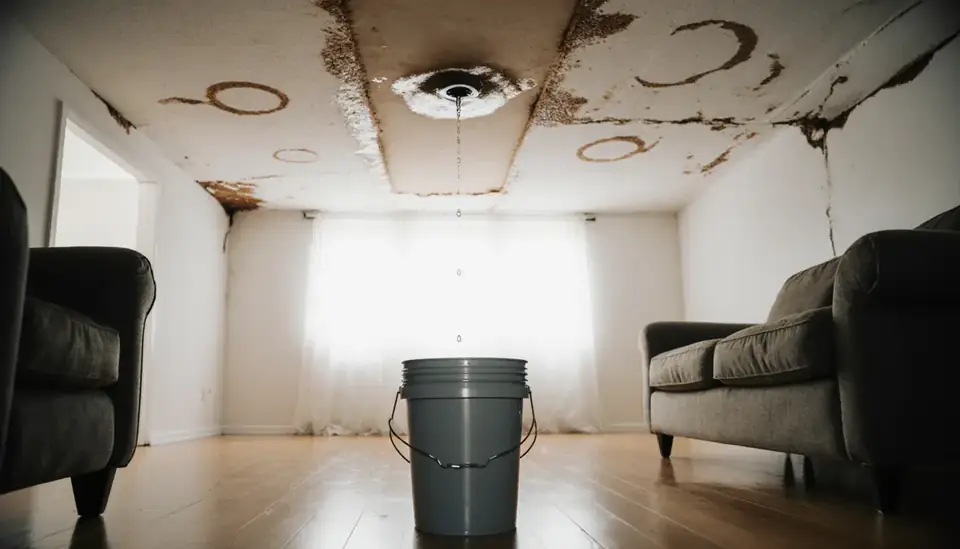
Covington has been the seat of Tipton County since the 1800s, and its housing shows it. The railroad reached town in July 1873, electric power arrived in 1894, and the South Main Street Historic District still holds about 50 houses from the late 19th and early 20th centuries. Around that core are mid-century streets and newer subdivisions, about 3,800 housing units in all for a city of roughly 8,700 people. Water damage in a 120-year-old frame house with plaster walls and an old crawl space is a different repair from the same leak in a 2005 ranch on a slab.
The Restoration Job connects callers with restoration companies at no charge. Dial (888) 317-9980 around the clock and we will put you in touch with an independent restoration provider that works in Covington and the surrounding part of Tipton County. Those companies are independent; they quote their own prices, and a good number handle after-hours calls.
How the call works: when you call (888) 317-9980, The Restoration Job connects you with an independent restoration provider that serves Covington. That provider inspects the damage, explains the scope and quotes the work. The Restoration Job doesn't perform restoration itself. Read our referral disclosure.
Plaster, Heart Pine and Historic Zoning on South Main
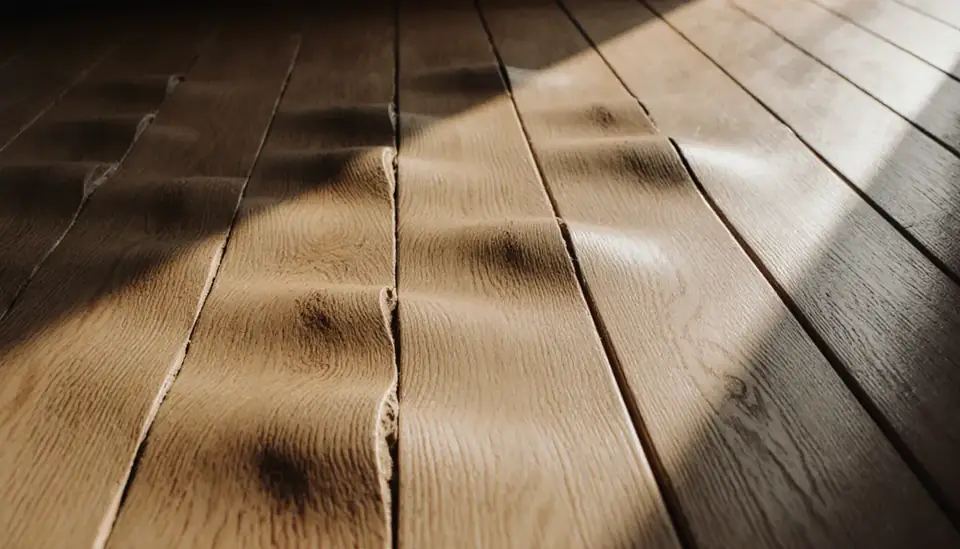
Older houses near the courthouse square react to water in their own way. Plaster on wood lath holds moisture longer than drywall and can lose its grip on the lath after a soaking, showing up as bulges or cracks days later. Old-growth pine floors cup when water gets under them, but they often flatten again with slow, controlled drying instead of replacement. Knob-and-tube wiring or older panels in these houses are a reason to have an electrician look before power goes back on in a wet area.
Covington has a historic zoning committee and historic district zoning rules. If your home is inside the district, ask the city before replacing windows, siding, porches or other exterior features after storm damage, since work visible from the street may need committee approval. Interior water damage repair is usually less complicated, but it pays to ask first.
Between the Hatchie Bottoms and the Mississippi
The city sits about 12 miles east of the Mississippi River, on higher ground than the river bottoms to the west. The Hatchie River forms part of the line between Tipton and Lauderdale counties to the north; it is the only major river in West Tennessee that has never been dammed or channelized in a significant way, so its wide, swampy floodplain still does much of the work of soaking up high water.
The bigger rivers do still reach the county. During the spring 2011 Mississippi River flood, the National Weather Service recorded damaged homes, flooded fields and road impacts in Tipton County, with about $750,000 in losses. Inside Covington, though, most water damage comes from closer sources: heavy thunderstorms that overwhelm drainage, roof leaks after wind, plumbing failures, and pipes that split during hard freezes.
Storm Season and Roof Leaks
Spring and late fall bring the strongest storms to West Tennessee, with straight-line winds, hail and tornadoes possible across the Memphis forecast area. After a storm passes, the damage people notice first is often a stained ceiling or wet attic insulation where shingles or flashing gave way. Cover openings with a tarp only if you can do it safely from the ground or a stable ladder, and take photos before any temporary repairs.
A provider handling storm damage cleanup will typically board or tarp openings, remove soaked insulation and ceiling material, and dry the framing and decking before the roofer and drywall crew finish the job.
Mold in Older Covington Houses
Mold needs moisture, warmth and something to feed on, and older homes here have plenty of all three during a humid Tennessee summer. Crawl spaces with bare dirt floors, gaps in old ductwork, and wall cavities behind plaster can stay damp long after the visible water is gone. A persistent musty odor, dark spotting on baseboards or a floor that feels soft are reasons to have moisture levels checked.
Small patches on hard surfaces can often be cleaned by a homeowner. Larger areas, growth inside walls, or mold that returns after cleaning generally call for mold remediation, which pairs removal with fixing the moisture source so it does not come back.
Practical Steps and Local Contacts
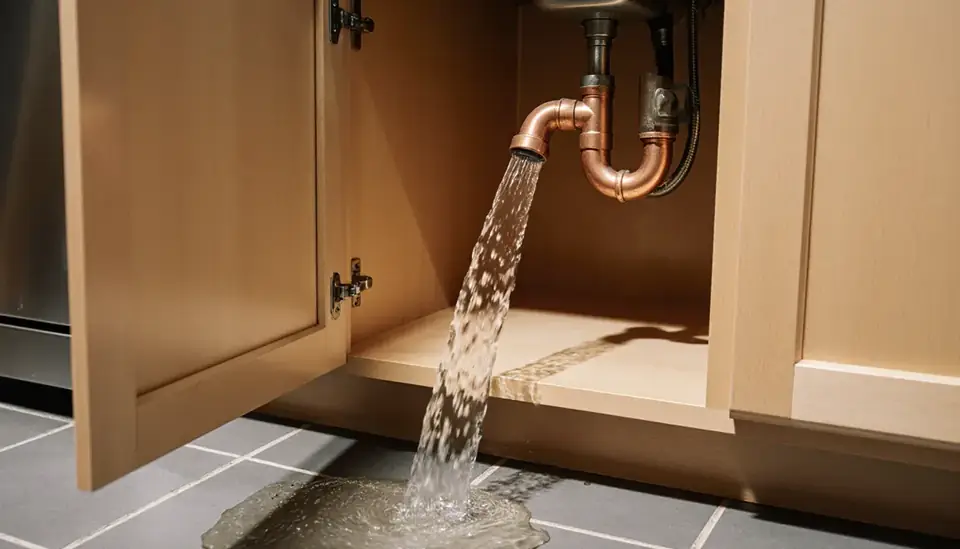
- For a water line break, shut the main valve; the City of Covington runs the local water and sewer system and its water and sewer department can help with service-side problems.
- Check FEMA's flood map for your address before assuming you are outside a flood zone.
- Sign up for alerts from the Covington-Tipton County Emergency Management Agency, which has coordinated local disaster response since 1972.
- Keep receipts for fans, tarps and emergency repairs; insurers usually ask for them.
For the southern end of the county, see our Munford water damage page.
Areas In and Around Covington
Calls come in from across Covington, including:
- South Main Street Historic District
- Downtown Covington
The same line also serves nearby communities such as:
- Munford
- Atoka
- Brighton
- Mason
- Ripley
- Brownsville
Frequently Asked Questions
Do I need city approval to repair storm damage on a historic house in Covington?
Possibly. Covington has historic district zoning and a historic zoning committee. Exterior changes inside the district, such as new windows, siding, porch rebuilds or roofing materials that look different from the original, may need sign-off. Emergency steps like tarping and drying do not usually wait on approval, but call the city's planning office before permanent exterior work so you do not have to redo it.
Can water-damaged plaster walls be saved?
Often, if the soaking was brief and the water was clean. Plaster dries more slowly than drywall, and the main concern is whether the keys holding it to the lath have broken. A restoration provider can measure moisture in the wall and look for bulging or loose sections. Plaster soaked by floodwater or sewage, or plaster that has detached, is usually removed and replaced instead.
Is Covington in a flood zone?
Most of the city sits on higher ground well east of the Mississippi River, but individual properties near low areas or drainage channels can still be mapped in a flood hazard zone. The only way to know for a specific address is to look it up on FEMA's Flood Map Service Center. Remember that standard homeowners policies typically do not cover surface flooding, even outside mapped zones.
What should I do first if a pipe bursts during a hard freeze?
Close the main shutoff valve, then open a faucet to drain pressure. Turn off electricity to any area where water is near outlets or fixtures. Move valuables out of the wet room and take photos. Frozen pipes in exterior walls and crawl spaces are common in older Covington houses, and more than one may have split, so check the rest of the house as it thaws.