
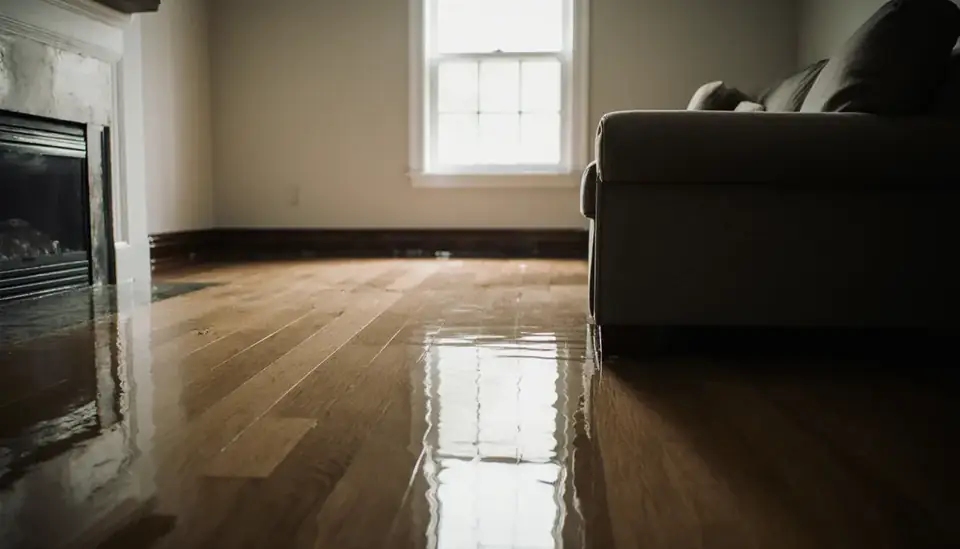
Dickson straddles the Tennessee Valley Divide, so rain falling on one side of town heads toward the Duck and Tennessee rivers while rain on the other side runs down Turnbull Creek and Jones Creek toward the Cumberland. Sitting on a divide at roughly 800 feet sounds like protection from floods. In practice it means water moves fast through small headwater channels, ditches and culverts, and a heavy storm can overwhelm them in a couple of hours.
Our role is narrow: The Restoration Job runs a free phone referral line and sends no workers of its own to Dickson County jobs. Call (888) 317-9980 at any hour and we will connect you with an independent restoration provider that serves the city and the rest of the county. Those companies set their own schedules and prices, and many offer emergency service for active leaks and flooded rooms.
How the call works: when you call (888) 317-9980, The Restoration Job connects you with an independent restoration provider that serves Dickson. That provider inspects the damage, explains the scope and quotes the work. The Restoration Job doesn't perform restoration itself. Read our referral disclosure.
August 2021: When Floodwater Reached Town on the Divide
The flash flood of August 21, 2021 is remembered mostly for Waverly, but it did not stop at the Humphreys County line. The Tennessee Emergency Management Agency declared a level three emergency for Dickson, Hickman, Houston and Humphreys counties, and numerous homes and businesses in the town of Dickson flooded along with rural land in the southwest part of the county. The Piney River rose and carried water south into Hickman County.
Eleven years earlier, the May 2010 storm put Dickson County inside the heaviest rain swath in Middle Tennessee, where the National Weather Service estimated 14 to 15 inches fell on average. Both events show the same pattern: the danger here is short, intense runoff rather than a slow-rising river. Homes near drainage channels, low spots in subdivisions and properties downhill from newer pavement tend to take water first.
How Water Usually Gets Into Homes Here
Beyond the big floods, most calls in a town this size involve ordinary household failures and storm leaks. Typical scenarios include:
- Surface runoff pushing under garage doors and through foundation vents during a downpour.
- Supply lines, water heaters and washing machine hoses failing inside the house.
- Pipes in crawl spaces or exterior walls splitting during a hard freeze, then leaking once the thaw comes.
- Wind-driven rain entering around damaged shingles or flashing after a strong thunderstorm.
- Sewer or septic backups when heavy rain saturates the ground.
Each source changes the cleanup. Clean water from a broken supply line can often be dried in place if it is caught quickly, while runoff and backups count as contaminated water and call for removal of soaked porous materials.

First Steps After a Flood or Leak on the Highland Rim
Stop the source if you can do so safely: close the main water valve, and keep the breaker off for any room where water touches outlets or baseboard heaters. Photograph everything before you move it, including water lines on walls, because insurers want to see conditions as you found them. Standard homeowners policies generally exclude flood, so runoff damage is usually a question for a separate flood policy if you carry one.
A provider doing water extraction will pull standing water from carpet and pad with truck-mounted or portable units, then set fans and dehumidifiers. In a crawl-space home, ask whether they will inspect underneath as well, since water that runs through the subfloor can pool on the vapor barrier and go unnoticed for weeks.
Humid Summers and the Clock on Mold
Middle Tennessee summers are warm and sticky, and wet drywall or carpet pad left in that air can start growing mold within a few days. The goal is to get materials measurably dry, not just dry to the touch. A restoration crew will usually check moisture with meters, cut drywall a foot or two above the water line when wall cavities are wet, and keep equipment running until readings drop to normal.
If you already see spotting or smell mustiness in closets, under sinks or around a crawl-space hatch, mold remediation focuses on containing the area, removing affected materials and correcting the moisture source. Cleaning the surface alone tends to bring the problem back.
Drainage Problems and City Stormwater Contacts
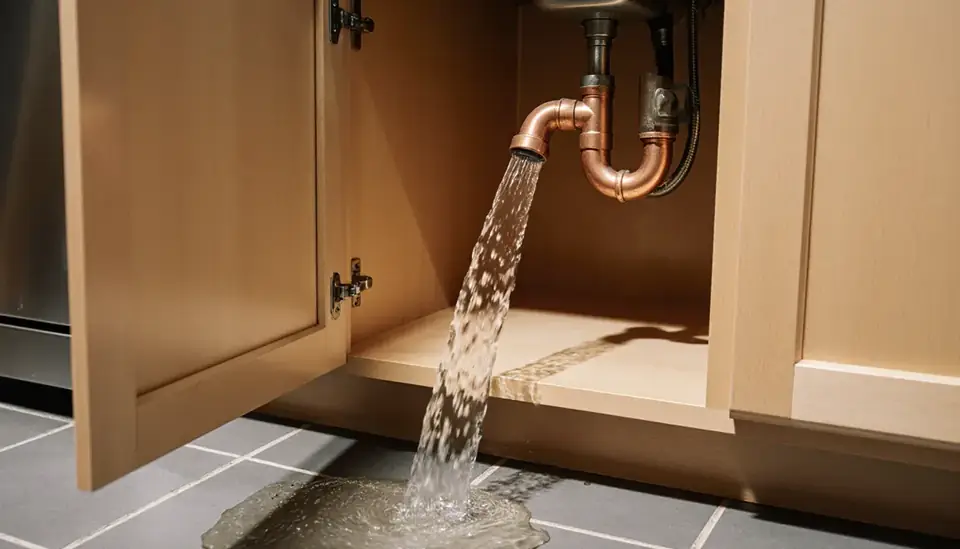
The City of Dickson runs a municipal stormwater program under its state discharge permit, and its website has a form for reporting a stormwater problem. If a clogged culvert, a failing ditch or runoff from a construction site is sending water toward your property, report it there so the city has a record. That will not fix interior damage, but it can help prevent a repeat.
Before buying or rebuilding near a creek, look up the flood zone on the FEMA Flood Map Service Center. For broader regional context, see our Tennessee service area page.
Neighborhoods and Nearby Communities
The same line also serves nearby communities such as:
- Burns
- Charlotte
- White Bluff
- Vanleer
- Kingston Springs
- Waverly
Questions From Dickson Property Owners
Did the 2021 flash flood actually affect Dickson, or just Waverly?
It affected Dickson too. Sources describe numerous homes and businesses in the town of Dickson taking water on August 21, 2021, along with rural areas in the southwest part of the county, and the state included Dickson County in its emergency declaration. Waverly saw the worst losses, but the same storm system dropped heavy rain across this part of the Highland Rim.
My house is on high ground in Dickson. Is flood risk still worth planning for?
Elevation helps with river flooding, but most local damage comes from intense rain that overwhelms small channels, yards and storm drains. Water can enter through foundation vents, garage doors and window wells even on a hill. Checking the FEMA flood map and keeping gutters and drainage swales clear are reasonable steps, and flood insurance is available outside high-risk zones.
How do I report a drainage problem that keeps flooding my yard?
The City of Dickson stormwater program accepts reports of stormwater problems through a form on the city website, and the stormwater coordinator can be reached through City Hall at 600 East Walnut Street. For properties outside city limits, contact Dickson County government. Documenting each event with photos and dates makes the report more useful.
Can a frozen pipe leak in a crawl space cause damage I can't see?
Yes. A split pipe under the floor can soak insulation and the vapor barrier, and the subfloor may stay wet long after the leak is fixed. Signs include cupping hardwood, a musty smell or higher humidity indoors. A restoration provider can inspect the crawl space, remove wet insulation and dry the framing with dehumidifiers.