

The Doe River runs straight through downtown Elizabethton, passing under the wooden covered bridge built in 1882 before joining the Watauga River about a quarter mile downstream. Above town, the Watauga is held back by Wilbur Dam, which began producing power in 1912, and by Watauga Dam, finished in 1948 a few miles farther upstream. Behind them rise the Unaka and Iron Mountains of Carter County, which sits entirely within the Blue Ridge and includes Roan Mountain at 6,285 feet. Rain that falls on those slopes reaches town fast.
The Restoration Job connects people with independent restoration providers; it does not do the work itself. Call (888) 317-9980 and the free line will put you in touch with a provider serving Elizabethton, Hampton, Valley Forge and the rest of Carter County. Rates and schedules are set by each provider, and many answer emergency calls overnight.
How the call works: when you call (888) 317-9980, The Restoration Job connects you with an independent restoration provider that serves Elizabethton. That provider inspects the damage, explains the scope and quotes the work. The Restoration Job doesn't perform restoration itself. Read our referral disclosure.
Two Rivers Meeting Downtown
Elizabethton lies on the south bank of the Watauga, and its historic downtown sits right where the Doe comes in. That setting has shaped the city's history with water. The flood of 1940 damaged the railroad line through the area, and in late September 2024 the remnants of Hurricane Helene brought historic flooding to the mountains of far eastern Tennessee. Helene left the Broad Street Bridge so damaged that it was declared structurally unsafe, and repairs that preserved its historic appearance took about nine months.
The city tracks river levels on the Doe, the Watauga and the TVA gauge at Watauga, and real-time readings are available through NOAA and USGS. If you live near either river, it is worth bookmarking those gauges.
Flood Zones, Permits and Insurance in Elizabethton
The city's planning department keeps a flood information page with a 2024 parcel flood zone map, the floodplain management ordinance, a flood insurance pamphlet and Community Rating System resources. After Helene, it also posted disaster assistance information and steps for homeowners who need a building permit to repair. That page is the right first stop before you rebuild in a mapped floodplain.
- Look up your parcel's flood zone before repairs begin.
- Ask the city whether your repairs require a permit, especially for flood-damaged structures.
- Remember that flood damage is covered only by a flood policy, not standard homeowners insurance.
- Keep photos, receipts and moisture logs for every claim and aid application.
Mud, Silt and River Water: What Cleanup Looks Like
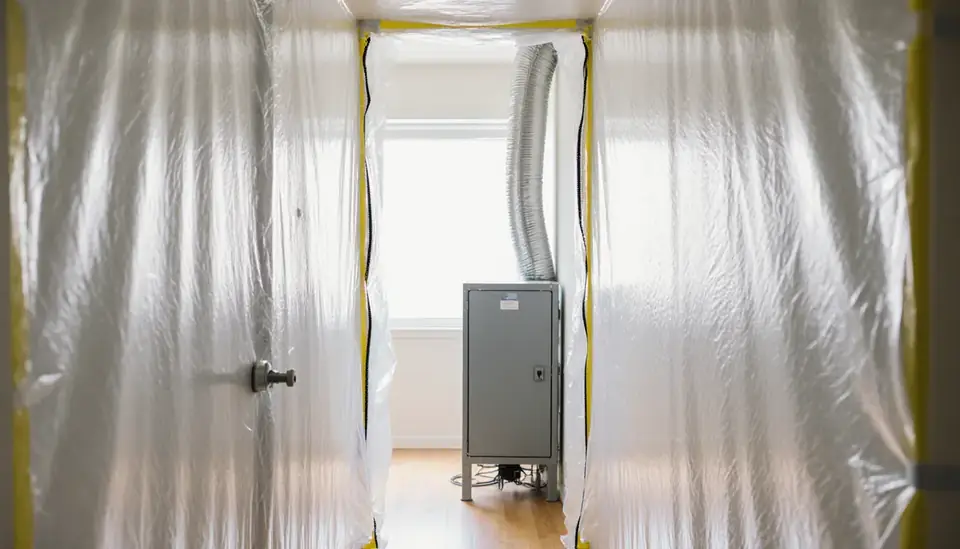
River floodwater leaves behind more than water. It carries silt, fuel, debris and sewage, and it soaks everything porous it touches. Thorough flood cleanup usually involves shoveling out mud, removing wet drywall to above the water line, discarding carpet, pad and insulation, and washing and disinfecting framing before any drying equipment goes in. Crawl spaces need the same attention, since silt and wet vapor barriers left underneath a house will keep humidity high for months.
Keep the power off in flooded areas until an electrician has checked the system, wear boots and gloves, and do not let children play in floodwater or the mud it leaves.
Rayon-Mill History, Older Houses and Mountain Winters
Elizabethton's rayon mills along the Watauga once employed more than 6,100 people at their 1949 peak, and the city has a long-established housing stock to match. Older houses commonly have crawl spaces, older supply lines and roofs that have been patched more than once. Leaks from roof valleys, chimney flashing and failing water heaters are common year-round. Winters are generally mild, with about 6 inches of snow in an average year, but the record low is 21 below zero, and a hard freeze can split pipes in uninsulated crawl spaces.

River Valley Humidity and Mold After a Flood
Average precipitation here is about 48 inches a year, and summer humidity in the river valley keeps wet materials from drying on their own. After a flood or leak, mold can begin growing within a day or two on drywall, wood and carpet backing. Dehumidifiers and air movers, combined with daily moisture checks, give the structure a fighting chance. If mold is already visible after Helene or another event, a provider offering mold remediation can contain the area, remove affected materials and treat the underlying moisture. Neighbors in Johnson City share much of the same weather.
Elizabethton Neighborhoods and Surrounding Towns
Calls come in from across Elizabethton, including:
- Downtown Historic District
- Sycamore Shoals
The same line also serves nearby communities such as:
- Johnson City
- Watauga
- Hampton
- Valley Forge
- Roan Mountain
- Bluff City
Frequently Asked Questions
Where can I check flood zones and permit rules in Elizabethton?
The city's planning and economic development department maintains a flood information page with a parcel flood zone map from 2024, the floodplain ordinance and Community Rating System resources. It also lists steps for homeowners seeking building permits after Helene. Start there before rebuilding, and confirm with city staff if your property is in a mapped flood zone.
Can I tell ahead of time if the Doe or Watauga River is rising?
Yes. The city points residents to real-time river gauges on the Doe River and the Watauga, including a TVA gauge, through NOAA and USGS. The National Weather Service office in Morristown issues flood watches and warnings for Carter County. Heavy rain in the mountains upstream can raise the rivers even when it is lighter in town.
Is there anything salvageable after river water gets into the house?
Structural framing, solid wood furniture, metal and some hard surfaces can often be cleaned, disinfected and dried. Carpet, pad, insulation, mattresses, upholstered furniture and drywall that soaked up river water are generally discarded because they hold contamination. Photograph everything before it goes to the curb for your insurer and any aid application.