
Gallatin has been the Sumner County seat since its open public square was laid out in 1803, and it has grown into a city of more than 44,000 people as of 2020. The Cumberland River and Old Hickory Lake lie to the south and southwest, Station Camp Creek runs through the area on its way to the river, and the landscape mixes hills, fields and woods with fast-growing neighborhoods. Historic houses such as Cragfont, Rosemont and Trousdale Place show how long people have built here.
As a free referral line for Sumner County, The Restoration Job can help. Call (888) 317-9980 any hour and we will connect you with an independent restoration provider that covers Gallatin. We do not send crews; each provider sets its own pricing and schedule, and many take emergency calls.
How the call works: when you call (888) 317-9980, The Restoration Job connects you with an independent restoration provider that serves Gallatin. That provider inspects the damage, explains the scope and quotes the work. The Restoration Job doesn't perform restoration itself. Read our referral disclosure.
April 2006 and December 2023: Gallatin's Tornado Years
The National Weather Service in Nashville records that the F3 tornado of April 7, 2006 entered Sumner County from Goodlettsville and struck Gallatin at 1:25 p.m. All seven people killed died in Gallatin, 128 were injured, and Volunteer State Community College alone took about $56 million in damage. Seventeen years later, on December 9, 2023, an EF-2 tornado tracked through Hendersonville and Gallatin, damaging around 600 homes and businesses in the county.
Both storms left houses with torn roofs, broken windows and soaked interiors. Rain after a tornado can do as much harm to insulation, drywall and flooring as the wind did to the exterior, which is why covering openings comes before almost anything else.
Stormwater, Creeks and Nuisance Flooding
The City of Gallatin's stormwater program notes that runoff from heavy rain accumulates in many parts of the city, causing nuisance flooding, and that storm drains discharge into the Cumberland River, Old Hickory Lake and local streams. The city maintains catch basins, detention ponds and storm pipes and runs a stormwater utility, and residents can report drainage problems through the engineering department.
During the March 27 and 28, 2021 storms, a Gallatin rain observer measured just over 5 inches. Rain like that can push water into garages, crawl spaces and low yards even when nearby creeks stay in their banks. Homes near Station Camp Creek or other drainage corridors should check FEMA flood maps, because standard homeowners insurance does not cover rising outside water.
Older Homes Around the Square
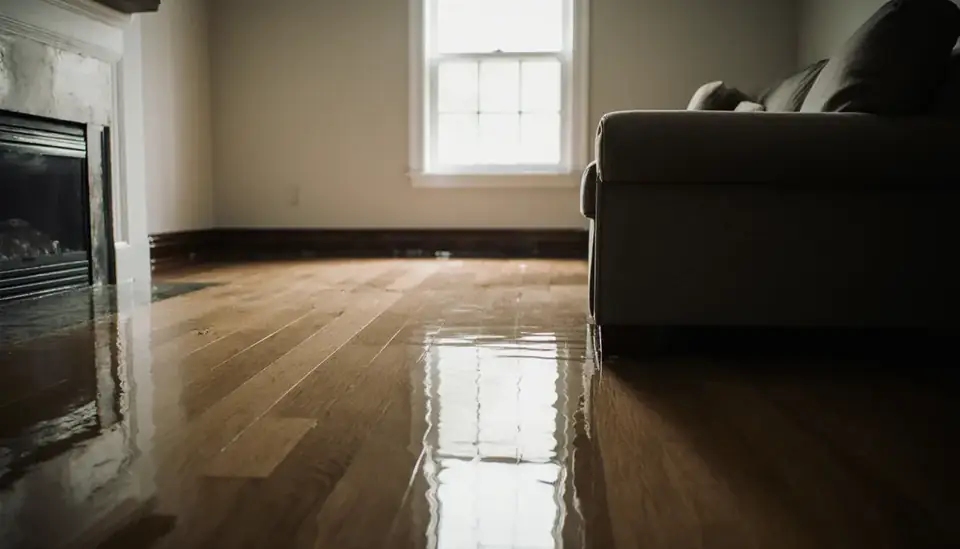
Downtown Gallatin has a central historic district and several buildings on the National Register. Older houses and storefronts near the square often have plaster walls, original wood floors and crawl spaces or cellars that were never meant to stay perfectly dry. A leak in one of these buildings deserves a slower, more careful approach: drying plaster in place where possible, protecting old flooring from cupping, and getting dehumidification under the floor as well as in the rooms. If a property is in a designated district, ask the city about exterior repair rules before replacing original features.
The First Hour After a Leak in a Gallatin Home
For water damage in Gallatin, the first hour matters most:
- Shut off the main valve for plumbing leaks, or the breaker for any wet circuits.
- Move furniture off wet carpet and lift rugs.
- Photograph damage and the source before cleanup starts.
- Notify your insurer and keep receipts for emergency costs.
From there, water damage restoration covers extraction, moisture mapping, removal of materials that cannot be saved and controlled drying. In crawl space homes, the work should include checking the vapor barrier, insulation and floor joists below the wet area.
Humid Summers and Crawl Space Mold
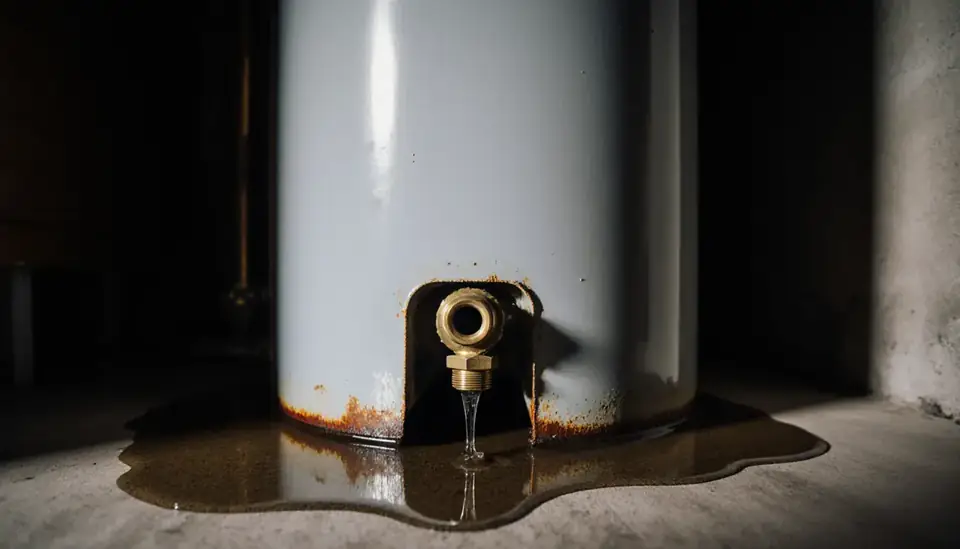
Gallatin's warm, humid summers keep moisture high under houses and in closed rooms. After a leak or storm, mold commonly turns up on crawl space framing, damp drywall and the back of carpet. Catching it early keeps it small. If growth covers more than a small patch, or a musty smell lingers after drying, a provider offering mold remediation can contain the area, remove affected material and address the moisture behind it.
Neighborhoods and Nearby Communities
Calls come in from across Gallatin, including:
- Downtown Gallatin
The same line also serves nearby communities such as:
- Hendersonville
- Portland
- White House
- Westmoreland
- Hartsville
Gallatin Water Damage Questions
Who handles drainage problems on my street in Gallatin?
The city's Engineering and Public Works departments manage public storm drains, catch basins, detention ponds and pipes, and Gallatin runs a stormwater utility. You can report a problem through the city's stormwater page, linked below. Drainage on private property, such as gutters and yard grading, is generally the owner's responsibility.
We had a tornado nearby but only minor roof damage. Should we worry about water?
Yes, it is worth checking. Missing shingles or small punctures can let water into attic insulation for days before a ceiling stain appears. Look in the attic after the next rain, check ceilings under the damaged area and photograph everything for your claim. A restoration provider can take moisture readings to confirm whether drying is needed.
Is a historic house harder to dry out?
It often takes longer. Plaster, old-growth wood floors and masonry hold moisture and need slow, controlled drying to avoid cracking or cupping. Crawl spaces under older homes may also have little ventilation. A provider should explain how they plan to protect original materials before removing anything.