

Jackson has rebuilt after tornadoes more often than most cities its size. A January 1999 storm wrecked McKellar-Sipes Regional Airport and killed eleven people; in May 2003 an F4 tornado devastated downtown and killed eight; in February 2008 storms demolished many of the dormitories at Union University. Then on May 1, 2010, about 13 inches of rain fell in a short span and flash floods swept through parts of the city. For a regional hub of about 68,000 people, 70 miles east of Memphis, wind and water are part of the same story.
The Restoration Job operates a no-cost referral line. Call (888) 317-9980 at any hour and we will connect you with an independent restoration provider that serves Jackson and Madison County. Providers set their own prices and availability; many take emergency calls after storms.
How the call works: when you call (888) 317-9980, The Restoration Job connects you with an independent restoration provider that serves Jackson. That provider inspects the damage, explains the scope and quotes the work. The Restoration Job doesn't perform restoration itself. Read our referral disclosure.
May 2010: Thirteen Inches Over Madison County
The National Weather Service in Memphis measured 13.30 inches in the Jackson area during the May 1 and 2, 2010 storms, and the Bemis gauge recorded 14.58 inches. Water rose to car bumpers on Maddox Drive, and nearby Humboldt in Gibson County recorded more than 16 inches. Rain like that overwhelms storm drains and small creeks long before any river forecast matters.
Jackson grew up along the Forked Deer River, the main drainage of central West Tennessee. Much of the Forked Deer basin was once wetland and has since been drained and channelized for farming, which moves water downstream quickly during big storms. Homes in low spots, near ditches or with below-grade spaces are the first to take water. For anything that floodwater reached, flood cleanup means removing contaminated porous materials and disinfecting before drying.
After a Tornado: Rain Through the Roof
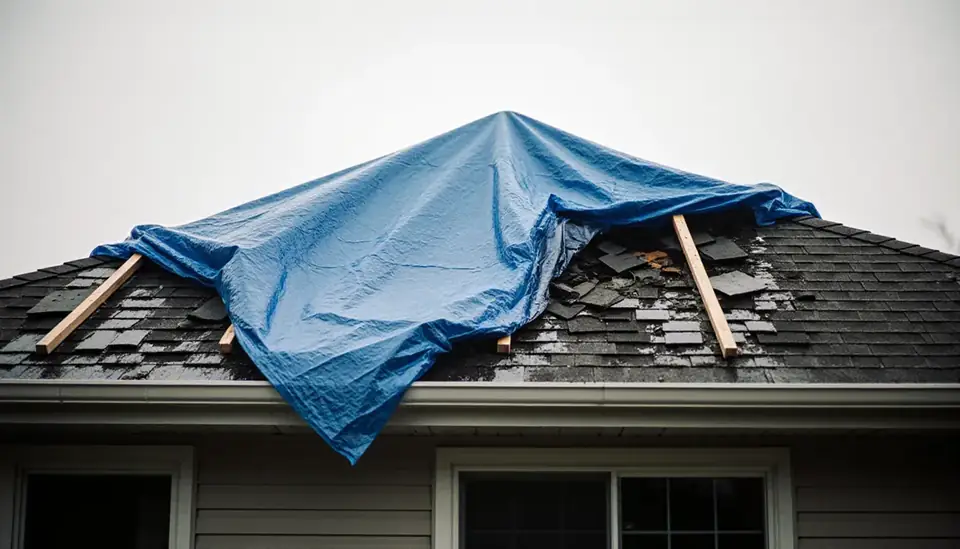
Wind damage and water damage usually arrive together. Once a roof is opened up or windows are blown out, every shower that follows adds to the loss. Even a smaller event can do this: in the early hours of December 11, 2021, an EF-1 tornado with 100 mph winds crossed the Beech Bluff area of eastern Madison County.
- Stay out of structurally damaged buildings until they are checked.
- Photograph the damage from outside before tarping or boarding.
- Get the roof and openings covered quickly to stop further rain entry.
- Pull out soaked attic insulation and ceiling drywall, which hold water against framing.
- Dry the structure with dehumidifiers before the rebuild starts.
A provider offering storm damage cleanup can usually handle emergency tarping, board-up and drying as one job.
Historic Districts and Older Housing
Jackson's National Register historic districts include East Main Street, Northwood Avenue, Lane College and Bemis. Older houses like these often have wood floors, plaster walls, crawl spaces and decades of plumbing patches. Leaks in older galvanized or cast iron lines often run slowly and show up under the house rather than inside it.
When an older home gets wet, the aim is to save original materials where possible. Slow, monitored drying can bring cupped hardwood back flat and keep plaster in place. Proper water damage restoration in these houses relies heavily on moisture readings rather than tearing everything out by default.
Humid Summers and Mold Under Jackson Homes
Jackson averages close to 57 inches of precipitation a year, and summers are long and humid. Crawl spaces that took water during a storm, or that stay damp from poor drainage, are the most common place for mold and wood decay to start. Watch for a musty smell in floor registers, condensation on ductwork, or white or dark growth on joists.
Small, surface-level spots can be cleaned. Widespread growth, or mold that keeps returning, is a sign the moisture source has not been fixed. Remediation should include drying, a vapor barrier check and, where needed, better drainage away from the foundation.
Drains, Ditches and Reporting Problems
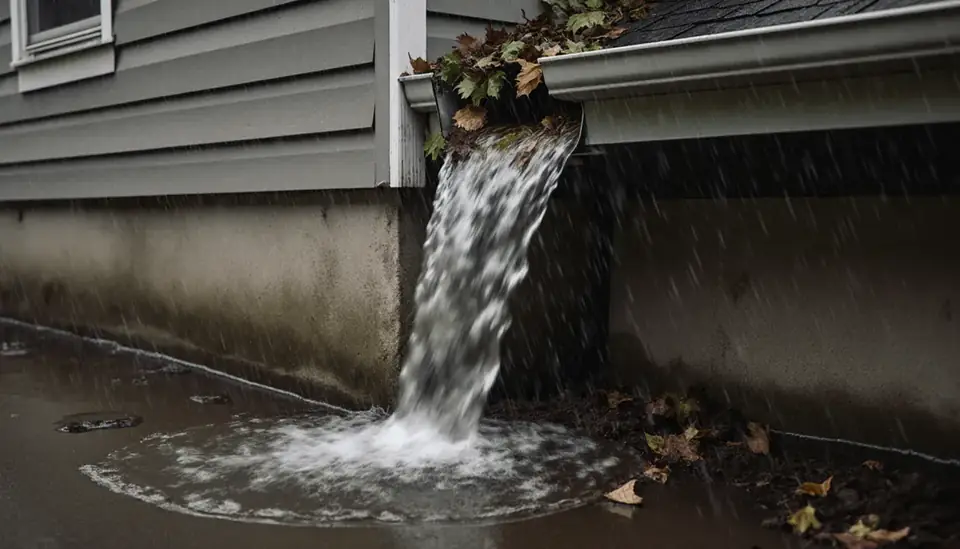
The City of Jackson's Stormwater Operations crews clean storm drains, pipes and ditches across town. The city asks residents not to rake leaves or grass clippings into drains, since that debris can cause serious flooding after the next storm. Report clogged drains or ditches through 311; after hours, the city directs drainage emergencies to the police department at 731-425-8400.
Neighboring Humboldt, partly in Madison County, faced the same May 2010 rains along with a tornado.
Jackson Neighborhoods and Surrounding Towns
Calls come in from across Jackson, including:
- Downtown Jackson
- East Main Street Historic District
- Northwood Avenue
- Bemis
- Lane College area
The same line also serves nearby communities such as:
Frequently Asked Questions
Does homeowners insurance cover rain coming through a tornado-damaged roof in Jackson?
Wind damage, and rain that enters through an opening the wind created, is generally covered under standard homeowners policies, subject to your deductible and terms. Rising water flowing in from outside is a separate matter, usually covered only by flood insurance. Document the roof damage and interior water right away, and make reasonable temporary repairs such as tarping, since insurers expect you to prevent further damage.
How do I know if my Jackson property is in a flood zone?
Type your street address into FEMA's online flood map viewer, the Flood Map Service Center. The city's building and codes office also handles floodplain questions. The May 2010 rains showed that flash flooding can hit streets and homes outside mapped zones too, so being outside a zone lowers your risk but does not eliminate it. Flood insurance is available outside mapped areas and is often less expensive there.
Can wet hardwood floors in an older Jackson home be saved?
In many cases, provided the water was clean and drying began early. Solid hardwood cups as it absorbs moisture, then can flatten again when dried slowly with specialized floor mats and dehumidifiers. Sanding too early locks in the damage. Floors soaked by floodwater or left wet for a long time may have to be replaced, especially if the subfloor has also been affected.
Who do I call about a flooded street or blocked storm drain in Jackson?
For the public drainage system, call 311 during business hours, or the Jackson Police Department at 731-425-8400 after hours, according to the city's Stormwater Operations page. For water inside your home or business, call (888) 317-9980 to be connected with an independent restoration provider that serves the area.