
Abilene sits where West Texas starts to turn into Central Texas, on the boundary between a semiarid and a humid subtropical climate. It averages a little over 25 inches of precipitation a year, noticeably wetter than the cities farther west, and that rain arrives in two seasons: late spring, with May and June the wettest months, and a second peak in October. Clear Creek runs north through the city just east of downtown to Elm Creek, part of the Brazos River watershed, and three reservoirs sit in or near city limits.
Help here starts with a phone call, not a truck: The Restoration Job runs a free, around-the-clock referral line and does not employ technicians or send equipment. Call (888) 317-9980 and you will be connected with an independent restoration provider that serves Abilene and Taylor County. Providers commonly offer extraction, drying, water damage restoration and repairs, and many provide emergency service.
How the call works: when you call (888) 317-9980, The Restoration Job connects you with an independent restoration provider that serves Abilene. That provider inspects the damage, explains the scope and quotes the work. The Restoration Job doesn't perform restoration itself. Read our referral disclosure.
Clear Creek, Elm Creek and the City's Lakes
Water in Abilene drains toward a handful of channels and basins. Clear Creek cuts through the east side of downtown, Lytle Lake lies southeast of downtown, Kirby Lake sits in the city's southeastern corner, and Lake Fort Phantom Hill lies to the north in Jones County. Properties near those creeks and lake edges, and streets that feed them, are where runoff tends to concentrate during a heavy thunderstorm.
Elevation here is about 1,729 feet, and the terrain is gentler than the Hill Country to the southeast, so flooding is usually a matter of local runoff rather than a river rising miles away. A strong storm can still overwhelm curbs and inlets and push water into garages and ground-floor rooms. Look up your address on FEMA's flood map, especially if your lot slopes toward a creek, and remember that flood damage from surface water needs its own policy.
Renting in Abilene: Who Handles the Leak
About 45 percent of occupied homes in Abilene are rented, and Taylor County is also home to Dyess Air Force Base. That makes the tenant-landlord question common after a water loss. As a general pattern, the building owner's policy covers the structure, and a renter's own policy, if they have one, covers their belongings. Who arranges cleanup depends on the lease.
- Tenants: stop the water if you can, notify the landlord or property manager in writing right away, and photograph your belongings.
- Landlords: get water removed and drying started quickly, since delay usually increases the damage and the claim.
- Both: keep copies of every message, receipt and moisture reading.

Spring Storms, October Rains and Roof Leaks
Abilene averages about 67 days a year with measurable precipitation, and the heaviest totals cluster in May, June and October. Spring thunderstorms can bring hail and strong wind, which open roofs to the rain that follows. Fall rains can be steady and soaking, finding older flashing, worn valleys and failing roof vents. Ceiling stains after a storm usually mean wet insulation above, and that insulation needs to come out before the drywall can dry.
Growth on the southwest side along Southwest Drive and the Buffalo Gap Road corridor, and on the southeast side near Loop 322 and Oldham Lane, means many homes are newer. Those houses are less likely to have old galvanized pipe, but they bring their own common failures: water heater pans, ice maker lines, washing machine hoses and AC condensate drains in attics.
Freezes on the Edge of the Plains
Winters are usually mild, with under 4 inches of snow in an average year, but arctic air reaches the city. The record low is −9°F, and the National Weather Service in San Angelo, which covers Abilene, documents the historic arctic outbreak of February 2021 across West Central Texas. In that storm, burst plumbing damaged buildings throughout the state. After any hard freeze, check exterior walls, attic lines and the water heater closet before assuming the house came through unharmed, and shut off the main at the first sign of a leak.
What Restoration Looks Like, and Where Mold Fits In
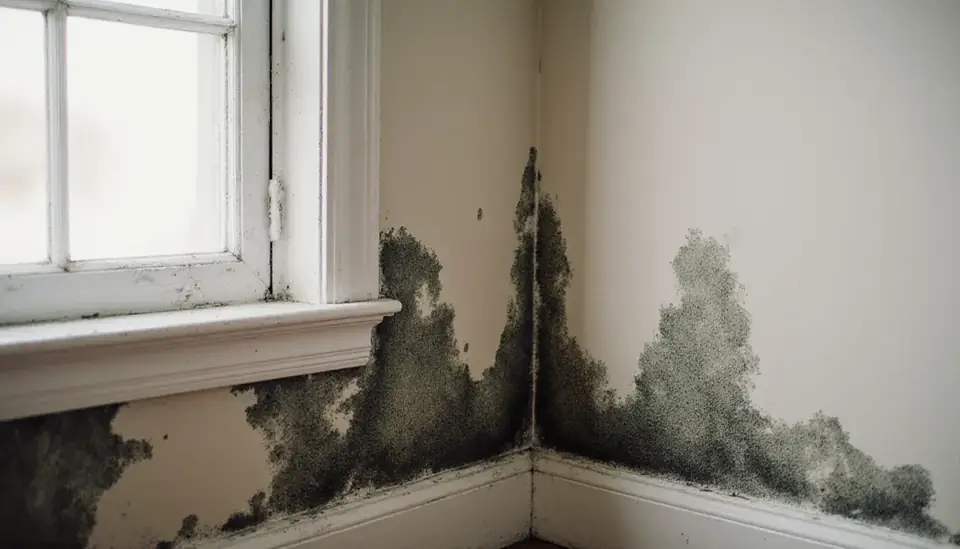
A provider will typically start with an inspection and moisture readings, extract standing water, remove materials that cannot be saved, and set dehumidifiers and air movers. Clean water from a supply line can often be dried in place if the response is quick. Creek and street runoff is treated as contaminated, so porous materials it soaked are normally removed. Abilene's warm, more humid summers give mold a better foothold than in the drier cities to the west, so wet drywall and carpet pad should not be left in place for long. If you notice odor or staining after a leak, mold remediation with containment is safer than surface cleaning alone.
Neighborhoods and Nearby Communities
Calls come in from across Abilene, including:
- Downtown Abilene
- SoDA District
The same line also serves nearby communities such as:
- Tye
- Merkel
- Tuscola
- Buffalo Gap
- San Angelo
Questions From Abilene Property Owners
I rent in Abilene and water came through the ceiling. What do I do first?
Move your belongings away from the water, turn off power to the affected room if outlets or fixtures are wet, and tell your landlord or property manager in writing right away. Photograph the damage and your property. The landlord is usually responsible for the building and its repairs, while a renter's policy, if you have one, covers your possessions.
When is the wettest time of year in Abilene?
May and June are usually the wettest months, followed by a second peak in October. Spring storms can bring hail and wind that damage roofs, while fall rain tends to find older roofs and flashing. Checking gutters, roof vents and drainage around the foundation before both seasons can head off many leaks.
Is my Abilene house in a flood zone if it is near Clear Creek or a lake?
Proximity to Clear Creek, Elm Creek, Lytle Lake or Kirby Lake raises the chance of runoff flooding but does not settle the question. FEMA's Flood Map Service Center lets you look up the official flood zone for your address. Even outside a mapped zone, surface water can enter a home, and that damage is covered only by flood insurance.
Can the referral line help outside Abilene city limits?
Yes. Calls to (888) 317-9980 are answered 24/7, and The Restoration Job connects callers with independent providers serving Abilene, Taylor County communities such as Tye and Merkel, and nearby cities including San Angelo. The referral is free, and you work out the details directly with the provider.