
Chicago businessman John B. Foley bought tens of thousands of acres of south Baldwin County in 1901, built a railroad station by 1905, and saw the town incorporated in 1915. A century later, the old farm town has grown quickly: the 2020 census counted 20,335 residents, and estimates since then show close to 50 percent growth.
Foley sits inland from Gulf Shores and Orange Beach at about 62 feet above sea level, which spares most of the city from direct storm surge. Hurricane rain and wind are another matter. Call (888) 317-9980 any hour and we'll connect you with an independent restoration provider that serves south Baldwin County. The Restoration Job is a referral service; the work itself is done by third-party companies.
How the call works: when you call (888) 317-9980, The Restoration Job connects you with an independent restoration provider that serves Foley. That provider inspects the damage, explains the scope and quotes the work. The Restoration Job doesn't perform restoration itself. Read our referral disclosure.
Hurricane Sally's 21 Inches Over South Baldwin
Hurricane Sally made landfall at Gulf Shores at 5 a.m. on September 16, 2020, as a strong Category 2 storm with 105 mph winds. It moved slowly, and that was the problem. The National Weather Service recorded 21.04 inches of rain at a Foley station, with nearly 30 inches at Orange Beach, and an 81 mph gust in the Gulf Shores and Foley area. The Fish and Styx rivers reached major flood stage.
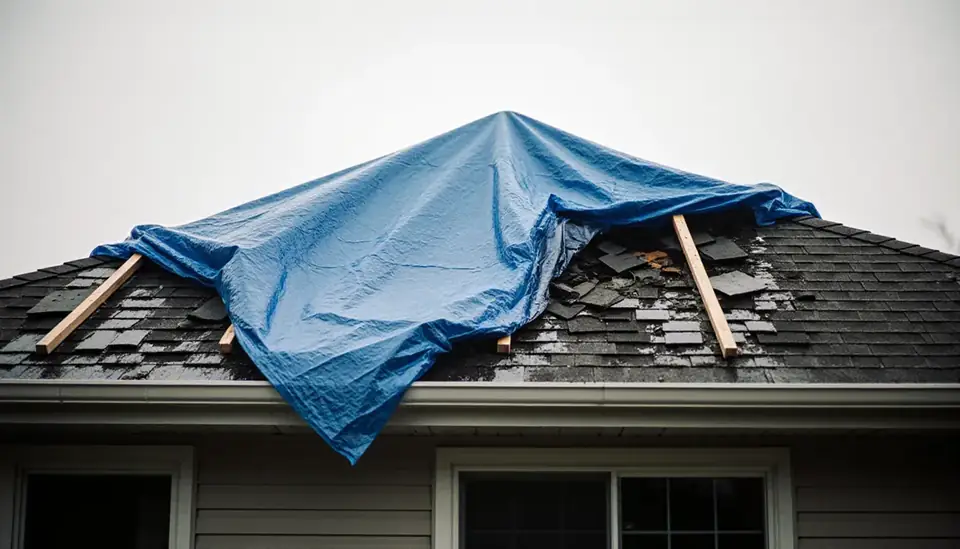
Sixteen years earlier, Hurricane Ivan landed just west of Gulf Shores as a Category 3 with 120 mph winds. Between the two storms, many homes here dealt with the same sequence: shingles and soffits torn away, then hours of rain pouring through the openings, followed by water standing in yards and streets that could not drain fast enough.
Wolf Bay, Bon Secour and the City's Low Ground
Land in and around the city drains toward several watersheds, including Wolf Bay, the Bon Secour River and the Fish and Magnolia rivers, and the city maintains watershed management plans for them. The Graham Creek Nature Preserve on Wolf Bay Drive protects part of that lower, wetter landscape.
Properties near these creeks and drainages are more likely to fall inside a Special Flood Hazard Area. The city's Planning and Development office offers a flood determination letter for a specific address and requires a permit to develop in a special flood hazard area under its flood ordinance. Check with that office before major rebuilding after a flood.

Fast Growth and Newer Homes
The 2020 census counted 9,911 housing units, and many more have gone up since. Newer construction is not immune to water damage. Common problems in recently built homes include leaking supply connections, condensate lines that were never properly sloped, and drainage on new lots that hasn't settled into its final pattern. A yard that floods in the first big rain after closing can push water against the slab and under doors.
If you're in a new house, learn where the main water shutoff is, keep gutters and downspouts flowing away from the foundation, and report drainage problems to your builder in writing while any warranty is still in effect.
Extraction, Tear-Out and Drying After a Flood
Speed matters more than anything once water is inside. A typical sequence from an independent provider looks like this:
- Prompt water extraction with truck-mounted or portable units to get standing water off floors.
- Removal of wet carpet, pad, baseboards and the lower part of drywall when floodwater was involved.
- Cleaning and disinfecting surfaces that touched outside water.
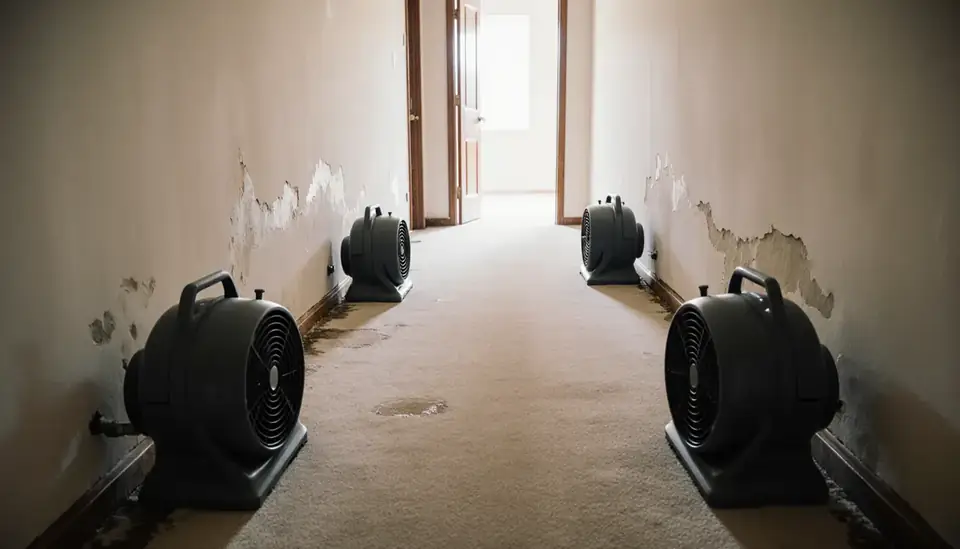
- Placing dehumidifiers and air movers, with moisture readings recorded daily.
- Rebuilding only after materials meet dry standards.
For water that came from outdoors during a storm, treat it as contaminated. That is the core of flood cleanup, and it is different from drying out a clean-water pipe leak.
Keeping Mold in Check in South Baldwin's Humidity
After a hurricane, homes can sit without power in late-summer heat, which is the ideal setup for mold. Even a clean-water leak can lead to growth within a couple of days in this climate if materials stay wet. The underside of carpet, the back of drywall and cabinet bases are the usual first spots.
Dry quickly, keep the air conditioning running once power returns, and don't paint over stains. If growth covers more than a small area, have a professional determine how far it extends before removing materials.
Where Callers in the Foley Area Are
Calls come in from across Foley, including:
- Downtown Foley
The same line also serves nearby communities such as:
- Gulf Shores
- Orange Beach
- Elberta
- Magnolia Springs
- Summerdale
- Robertsdale
- Silverhill
Common Questions
How can I find out whether my Foley property is in a flood zone?
Start with FEMA's Flood Map Service Center, which shows the effective flood map for your address. The city's Planning and Development office also provides flood determination letters on request. If your property is in a Special Flood Hazard Area, a lender will likely require flood insurance, and rebuilding work may require a floodplain permit.
Will my homeowners policy pay for flooding from a storm like Sally?
Standard homeowners policies cover rain that enters through storm damage to the roof or windows, but they exclude rising floodwater. That requires a separate flood policy. A single storm can cause both types of damage. Photograph each area and record where water came in so the claims can be separated.
How fast should I get water out after a storm?
As soon as it's safe. Within a day or two, wet drywall and carpet begin to grow mold in this climate, and floodwater carries bacteria. Call (888) 317-9980 and we'll connect you with an independent restoration provider in the area. In the meantime, shut off power to wet rooms and move belongings to a dry space.