
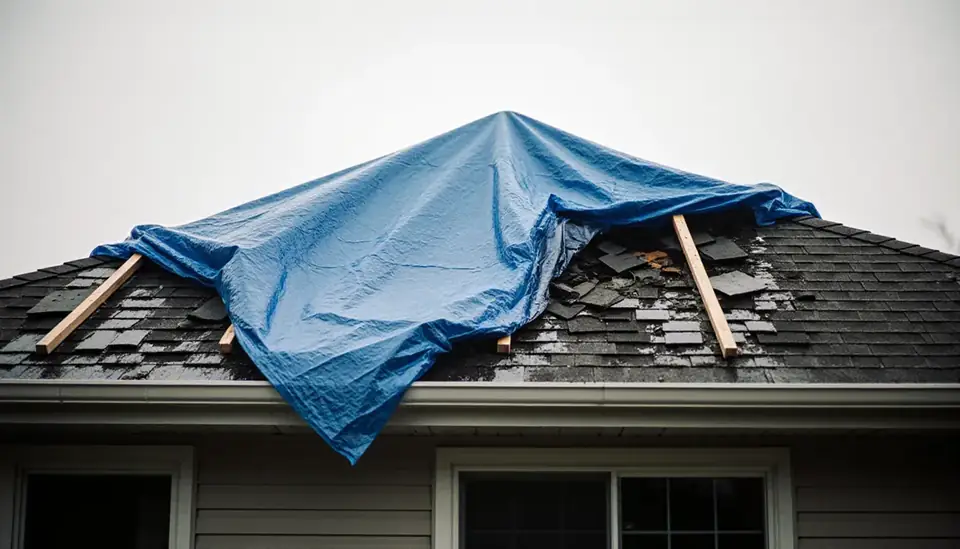
Downtown Mobile sits where the Mobile River empties into the head of Mobile Bay, and parts of it are barely above the tide. Water Street is about 10 feet above sea level, while the airport out west tops 211 feet. A 2007 study ranked Mobile the wettest city in the contiguous 48 states, averaging 66.3 inches of rain a year over roughly 120 rainy days. Put those facts together and the city faces two distinct problems: storm surge pushing up the bay, and heavy rain overwhelming roofs, gutters and drainage almost anywhere in town.
Our free line picks up around the clock. Call (888) 317-9980 and The Restoration Job will connect you with an independent restoration provider that works in the city, whether the trouble is a soaked floor in a Midtown cottage, a leaking flat roof on a downtown office, or a sewer backup in a newer subdivision out west. We are a referral service; the company you are connected with performs the inspection and the work.
How the call works: when you call (888) 317-9980, The Restoration Job connects you with an independent restoration provider that serves Mobile. That provider inspects the damage, explains the scope and quotes the work. The Restoration Job doesn't perform restoration itself. Read our referral disclosure.
Surge at the Head of the Bay: What Katrina and Frederic Showed
Mobile Bay narrows as it reaches the city, and that shape funnels water north during a hurricane. On August 29, 2005, Hurricane Katrina pushed an 11.45-foot surge to the State Docks, close to the 11.60-foot record set in 1916. According to the National Weather Service, downtown was inundated, a dusk-to-dawn curfew followed, the Wallace Tunnel closed, and most businesses along the Causeway were damaged or destroyed. A loose oil rig even lodged under the Cochran-Africatown Bridge.
Hurricane Frederic came ashore on Dauphin Island the night of September 12, 1979, pushing 8 to 10 feet of water into northern Mobile Bay and gusting to 97 mph at the regional airport. Parts of the county went without power for five weeks. Long outages matter for restoration: without electricity, wet buildings sit closed up in late-summer heat, and the drying job gets harder every day it waits.
Rain That Arrives by the Foot, Not the Inch
Most local water damage has nothing to do with surge. Afternoon storms in July and August, the wettest months, can dump more water than gutters, flat roofs and older drainage can carry. Tropical systems add more. Hurricane Ivan in September 2004 left 9.90 inches at one city gauge, and slow-moving Hurricane Danny in July 1997 dropped 13.04 inches at the airport.
Inland flooding follows the creeks. The Dog River, a tidal, brackish stream about 8 miles long, begins inside the city and drains more than 90 square miles through tributaries such as Halls Mill, Eslava, Rabbit and Moore creeks before reaching the bay. During Hurricane Sally in 2020, the NWS recorded water levels nearly 2 feet above the normal high tide on the Dog River. Homes near these channels can take water from both directions: rain running off the land and tide backing up from the bay.

Old Houses in Oakleigh, De Tonti Square and the Other Historic Districts
The city has an unusually deep bench of historic districts, from Church Street East and De Tonti Square near downtown to Oakleigh Garden, Old Dauphin Way, Ashland Place and Spring Hill farther west. If your house has plaster walls, old wood floors, original trim or a crawl space, as many older homes do, those materials can often be dried and saved when the work starts early, but they react badly to being ripped out by default or left wet for days.
If you own an older home, ask the provider how they plan to dry plaster and hardwood in place, whether they will vent or dehumidify the crawl space, and how they will document moisture readings. If the house sits inside a designated historic district, ask the city whether exterior changes such as new windows, siding or roofing need approval before rebuilding begins.
Gulf Humidity and Mold: Why the First Two Days Count
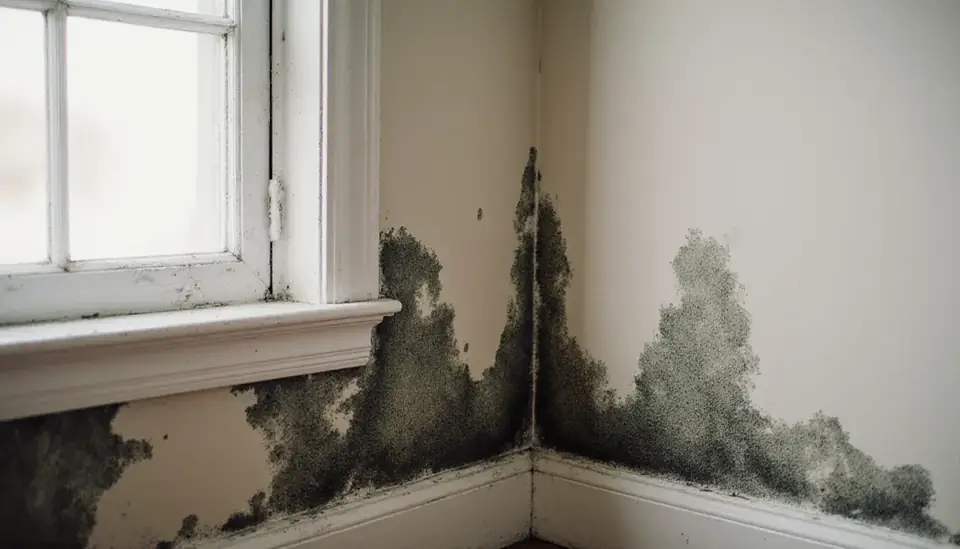
Coastal air here rarely gives wet materials a break. Summer humidity is high, nights stay warm, and a building with damp drywall and no power can start growing mold within a couple of days. The aim is to get moisture out of walls, subfloors and cavities quickly using extraction, air movers and dehumidifiers, then confirm with meters that everything has reached normal levels before closing it back up.
Visible growth on a few square feet of drywall can be bagged and replaced. Larger areas, growth inside HVAC ducts, or musty odors that come back after cleaning call for professional mold remediation with containment, so spores are not spread through the rest of the house.
Practical Steps After a Bayfront Flood or Household Leak
- Stop the source and kill power to any wet area if it is safe to reach the panel.
- Photograph everything before moving it: water lines on walls, damaged contents, the outside of the building.
- Separate flood from leak. Surge and rising creek water are treated as contaminated; anything porous it touched usually has to go. A broken supply line is cleaner and more of the structure can often be dried in place.
- Call your insurer early. Standard homeowners policies generally exclude flood, which is covered under separate National Flood Insurance Program or private flood policies. Wind-driven rain through a damaged roof is usually handled differently from rising water.
- Check your flood zone on FEMA's map before you rebuild, since elevation requirements can apply after major damage.
For rising-water losses, a provider focused on flood cleanup will remove saturated drywall and insulation, sanitize, and set up structural drying equipment before any rebuild.
Where Callers in the Mobile Area Are
Calls come in from across Mobile, including:
- Downtown
- Midtown
- Oakleigh Garden
- De Tonti Square
- Church Street East
- Old Dauphin Way
- Ashland Place
- Spring Hill
- Toulminville
- Campground
The same line also serves nearby communities such as:
Questions From Mobile Property Owners
Does the city flood from the bay or from rain?
Both, but in different places. Surge from Mobile Bay mainly threatens low ground downtown, along the Causeway and near the waterfront, as it did during Katrina in 2005. Heavy rain is the more common problem across the rest of the city, especially near the Dog River and its tributary creeks, where runoff and high tide can combine. Checking FEMA's flood map for your address tells you which risk your property faces.
Can wet plaster in a historic house be saved instead of replaced?
Not always. Plaster on wood or metal lath can often be dried in place if the water was clean and the drying starts quickly. A provider can take moisture readings, drill small vent holes where needed and run dehumidifiers. Floodwater from outside is a different case, because contamination usually requires removing affected materials. Ask the provider to explain their plan before demolition starts.
How is a wind claim different from a flood claim after a Gulf hurricane?
Rain that comes through a roof or window damaged by wind is generally handled under a homeowners or windstorm policy, while water that rises from the ground or the bay is flood, covered only by a separate flood policy. Photograph roof damage and the high-water line separately, keep damaged material samples if you can, and let your adjuster sort out the coverage.
Can someone come out at night or during a storm?
The Restoration Job phone line is answered 24/7, and many independent providers around Mobile Bay offer emergency service. Availability depends on the company and on conditions, especially right after a hurricane when demand is high and roads may be blocked. Never enter standing water that may be energized, and wait for officials to declare an area safe.