
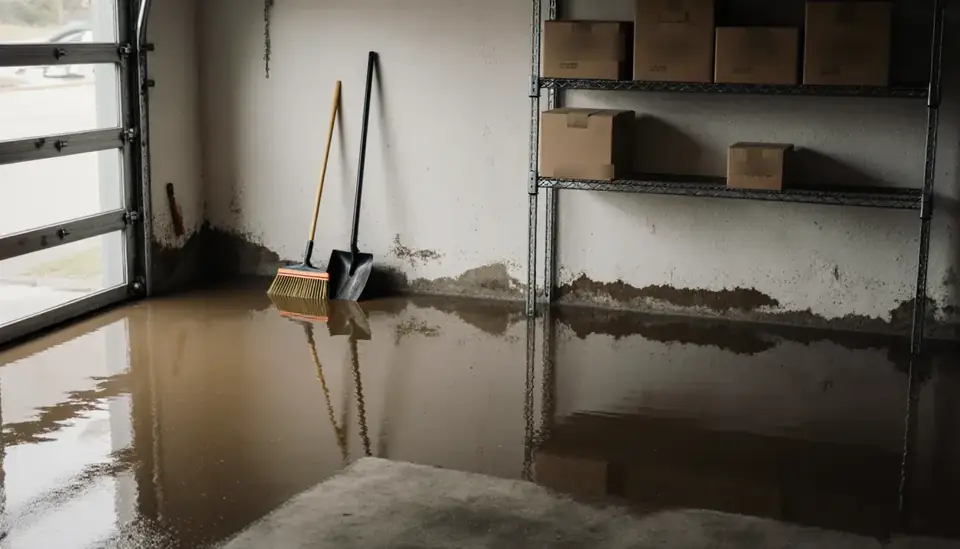
Geneva's motto, Where the Rivers Meet, is a plain description of its geography. The Pea River joins the Choctawhatchee at the edge of town, the Choctawhatchee forms the eastern city boundary, and the combined river runs south into Florida and on to Choctawhatchee Bay. That confluence made Geneva a riverboat trading center in the nineteenth century, and it has also put the town, at an elevation of roughly 121 feet, in the path of some of the worst floods in Alabama history.
Most calls today involve more everyday problems: roof leaks, failed water heaters, storm damage. But river history shapes how insurance, flood maps and cleanup work here. For help any hour, call (888) 317-9980 and we'll connect you with an independent restoration provider that serves Geneva and the surrounding county. We are a free referral service, not a contractor.
How the call works: when you call (888) 317-9980, The Restoration Job connects you with an independent restoration provider that serves Geneva. That provider inspects the damage, explains the scope and quotes the work. The Restoration Job doesn't perform restoration itself. Read our referral disclosure.
From the Lincoln Freshet to the 1990s Floods
Geneva has moved because of water before. After the 1865 flood known as the Lincoln Freshet, many residents relocated to higher ground about half a mile north of the original settlement. The 1929 flood, when the Pea and Choctawhatchee rose together, swept away most of what remained of Old Town Geneva. A WPA-era levee was later built to protect the town.
The 1990s brought three more floods on the river system, and the March 1990 event alone caused more than $88 million in damage. Afterward, FEMA bought out flood-prone properties that sat outside the levee. The lesson for current owners is that the levee reduces risk for the area behind it but does not eliminate it, and homes outside it face the river directly.
River Water Is Not Clean Water
When a river or creek gets into a house, the water carries silt, fuel, septic overflow and whatever else it picked up on the way. Restoration standards treat that as contaminated, which changes the job considerably compared with a broken supply line:
- Carpet, pad, upholstered furniture and mattresses that were submerged are generally discarded.
- Drywall and insulation are cut out above the high-water line so wall cavities can be cleaned and dried.
- Hard surfaces and framing are cleaned and treated before drying equipment is set.
- Well water and septic systems should be checked before the household relies on them again.
Professional flood cleanup follows that sequence. Wear boots and gloves if you go in, and keep children out until the mud is removed.
Tornadoes in Geneva County
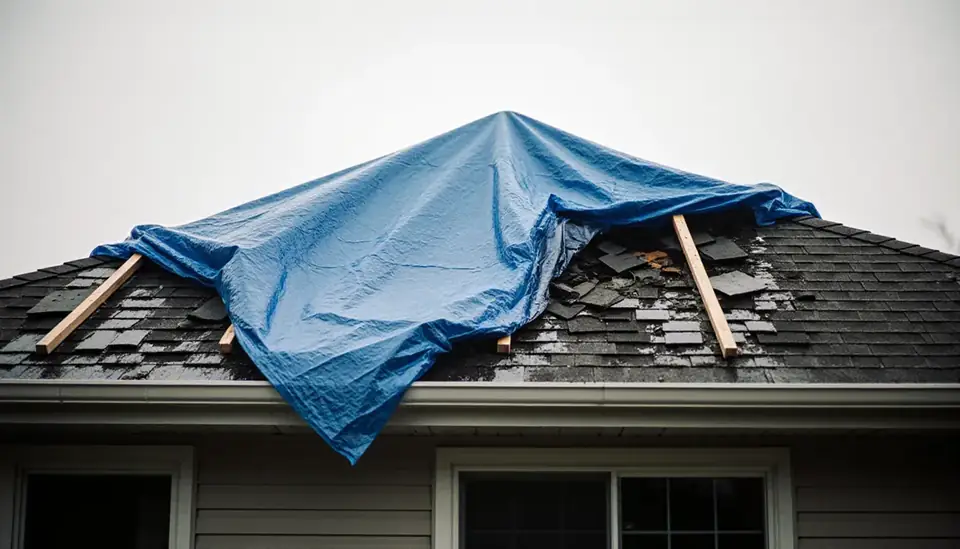
Wind is the other recurring hazard. On January 25, 2026, an EF2 tornado caused extensive damage in Geneva. Earlier, on May 10, 2014, the National Weather Service in Tallahassee confirmed an EF1 tornado in southeastern Geneva County, just north of the Florida line near County Road 9, which heavily damaged a home and pulled the concrete footings of a metal barn out of the ground. Geneva County was also declared a disaster area after Hurricane Frederic in 1979.
Once a roof is opened by wind or a falling tree, rain becomes the main threat. Tarping the opening quickly and removing wet insulation and ceiling board keeps the damage from spreading through the attic. A provider offering storm damage cleanup can usually handle both the temporary protection and the drying.
Insurance and Flood Maps Near the Confluence
Standard homeowners and renters policies exclude damage from rising water, so in a river town that distinction matters more than usual. Flood insurance is a separate policy, typically through the National Flood Insurance Program, and new policies generally carry a waiting period before coverage begins. Look up your address on the FEMA Flood Map Service Center to see how your property is mapped, whether you are inside or outside the levee.
Damage from a burst pipe, roof leak or appliance failure is a different claim from flood, and the cause should be documented clearly with photos and the restoration company's moisture readings.
Mold Prevention in River-Bottom Humidity
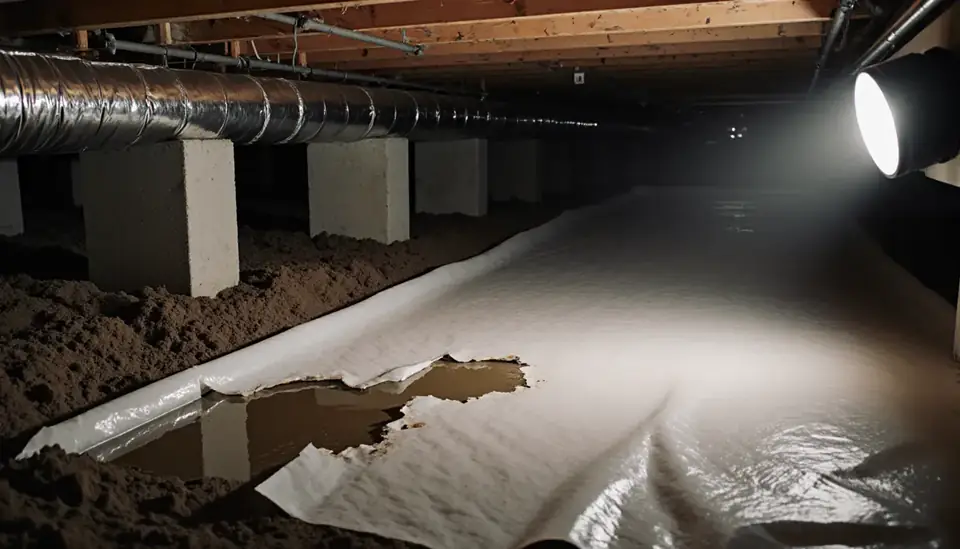
Damp air off the bottomland and long, hot summers give mold every advantage after a flood. Growth can start on wet drywall, wood and cabinetry within a couple of days, and it spreads faster in closed houses without power. Prompt water removal and drying are the most effective prevention; where growth is already visible, mold remediation involves containment, removal of affected porous material and cleaning before rebuilding.
Don't reinstall flooring or close up walls until readings confirm the framing is dry. Painting over damp material simply hides a problem that will return.
Where Callers in the Geneva Area Are
The same line also serves nearby communities such as:
- Samson
- Hartford
- Slocomb
- Enterprise
- Daleville
Common Questions
Does the levee mean my Geneva home can't flood?
No. The WPA-era levee was built to limit flood damage, and properties outside it were bought out after the 1990s floods because they remained exposed. Levees can be overtopped by extreme events, and rain can still flood low spots behind a levee when drainage backs up. Check your address on the FEMA flood map and consider flood coverage either way.
What should I throw out after river water gets into my house?
Anything porous that was soaked by floodwater, such as carpet and pad, mattresses, upholstered furniture, insulation and the lower portion of drywall, is usually discarded because it cannot be reliably cleaned. Photograph items before they go to the curb for your insurance claim. Solid wood furniture, metal and hard plastics can often be cleaned and kept.
Can I start cleanup before the insurance adjuster comes?
Generally yes. Insurers expect you to take reasonable steps to prevent further damage, such as removing water, tarping a roof and starting to dry the house. Document everything first with photos and video, save damaged materials or samples if your carrier asks, and keep receipts. Waiting for an adjuster while water sits invites mold and larger losses.
Is help available in smaller towns around Geneva?
Restoration providers serving the Wiregrass commonly cover Geneva along with Samson, Hartford, Slocomb and nearby communities. Call (888) 317-9980 and we'll try to connect you with an independent provider that serves your address. Availability varies, especially after regional storms when many homes are affected at once.