
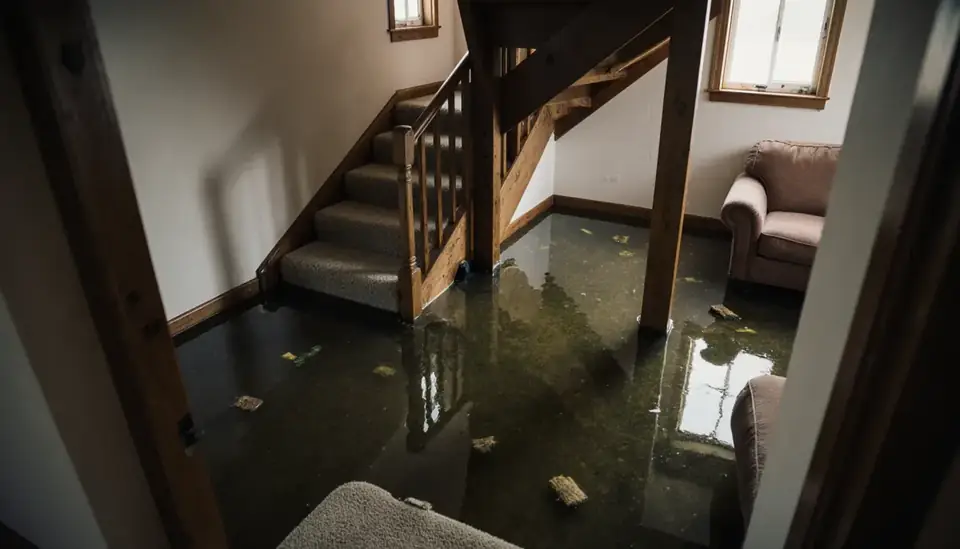
The Cahaba River is why Trussville exists. Warren Truss built a grist mill on its banks in 1821, and the river still runs through the city on the first stretch of its 194-mile course, close enough to its upper reaches that it is a modest stream most days and a fast-rising one during heavy rain. Trussville spans the Jefferson and St. Clair county line and grew by more than 500 percent between 1980 and 2010, so its housing ranges from 1930s New Deal cottages to recent subdivisions.
Our referral line costs nothing to use and picks up around the clock. Call (888) 317-9980 and we'll connect you with an independent restoration provider that serves Trussville, for anything from river flooding to a failed dishwasher line. The Restoration Job only makes the connection; that provider performs the cleanup and drying.
How the call works: when you call (888) 317-9980, The Restoration Job connects you with an independent restoration provider that serves Trussville. That provider inspects the damage, explains the scope and quotes the work. The Restoration Job doesn't perform restoration itself. Read our referral disclosure.
The Upper Cahaba Through Town
Near its headwaters the Cahaba drains a relatively small area, which means it responds quickly to intense rain. The stream gauge on the Cahaba River at Trussville recorded its highest stage on record, about 19 feet, on May 7, 2003. No official flood stage is set for that gauge, but the record shows how much the river can rise in a single event.
Properties closest to the river and its small tributaries are the most exposed. Water from the river carries silt and runoff from streets upstream, so anything it reaches inside a building is treated as contaminated. If you are near the channel, look up your address on the FEMA Flood Map Service Center and consider a separate flood policy, since homeowners insurance does not cover rising water.
Cahaba Project Homes and Their Water Weak Points
In the 1930s, Franklin D. Roosevelt's Resettlement Administration built the Cahaba Project here, a planned community of 243 single-family houses and 44 duplexes laid out by landscape architect W.H. Kestler. The area was listed on the National Register as the Cahaba Project Historic District in 2006. Houses of that age often have:
- Crawl spaces under wood floors that collect moisture after storms
- Plumbing that has been replaced piecemeal over the decades
- Original wood windows and trim where wind-driven rain gets in
- Additions whose rooflines tie into older roofs
When a historic home gets wet, careful drying can save original flooring and trim that are hard to replace. A provider focused on structural drying will measure moisture in the floor system and crawl space, not just the visible surfaces.
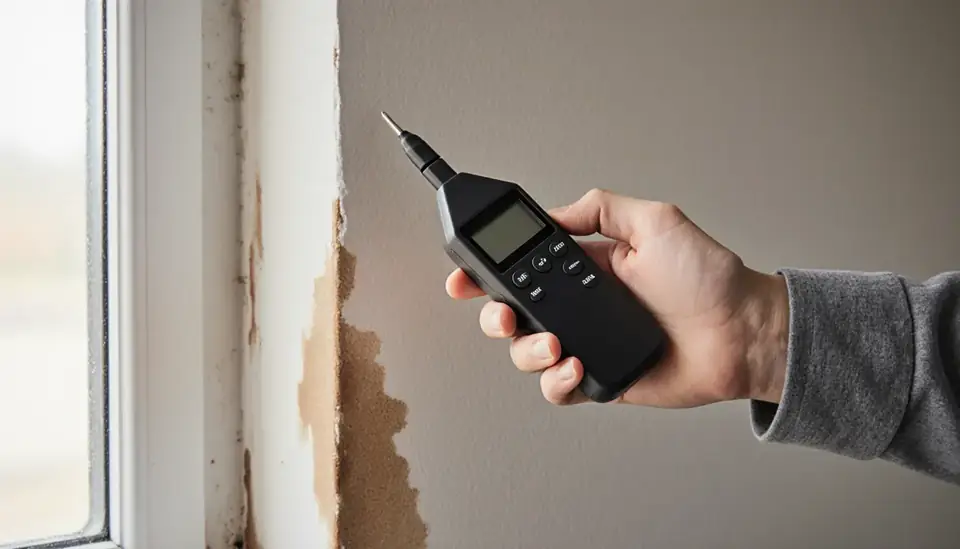
Newer Subdivisions: Sump Pumps, Upstairs Laundry and Condensate Lines
Decades of rapid growth added newer houses across the city, and their water problems look different from those in older homes. A sump pump that fails during a long storm can let groundwater flood a finished basement in hours. Upstairs laundry rooms and bathrooms send water through ceilings when a hose bursts or a toilet supply line cracks. HVAC condensate lines clog in humid summer weather and overflow into attics or closets.
Fast water damage repair in these homes depends on stopping the source, extracting water from carpet and pad, and opening wet drywall in the right places so the cavity behind it can dry.
Preventing Mold After a Trussville Water Loss
Central Alabama summers are hot and humid, and a basement or crawl space that took on water can grow mold within days if it is not dried. Musty smells, dark spotting on drywall or baseboards, and warped wood are early signs. Keep a dehumidifier running in finished basements through the warm months, test your sump pump before storm season, and check crawl spaces after heavy rains. If growth appears after a leak, removal of the affected material and correction of the moisture source are what actually solve it.
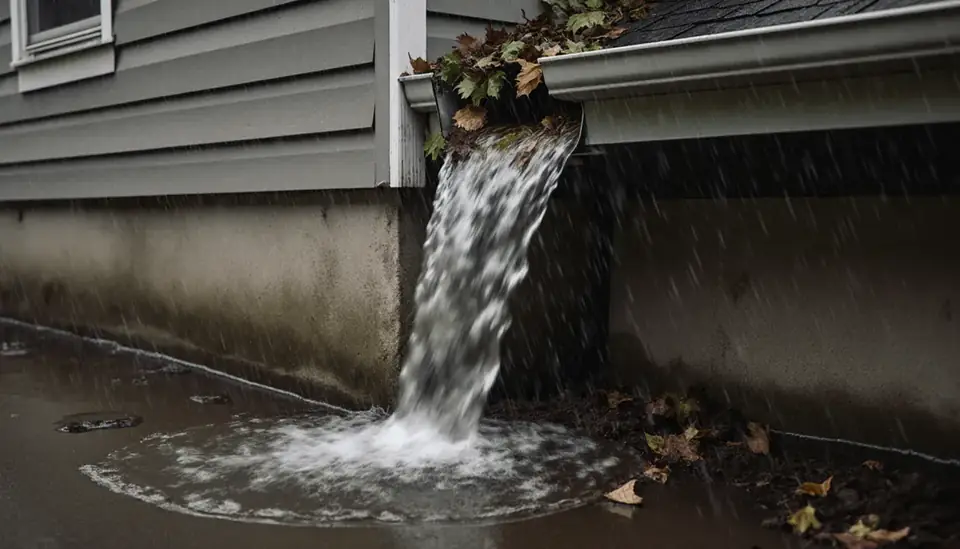
Stormwater, Alerts and Who to Contact
Trussville runs a stormwater program under state and federal permits, and the city notes that storm drains carry water untreated to the nearest creek or river, so report clogged inlets or dumping to the city. Residents on the Jefferson County side can sign up for Jefferson County EMA alerts, and the National Weather Service office in Birmingham issues warnings for the whole area. For statewide flood insurance information, see the Alabama service area page.
Trussville Neighborhoods and Surrounding Towns
Calls come in from across Trussville, including:
- Cahaba Project Historic District
- Downtown Trussville
The same line also serves nearby communities such as:
- Clay
- Pinson
- Center Point
- Irondale
- Leeds
- Argo
- Birmingham
Frequently Asked Questions
How high has the Cahaba River gotten in Trussville?
The highest stage on record at the Cahaba River at Trussville gauge was about 19 feet, recorded on May 7, 2003. No official flood stage is defined for that gauge, so treat the record as a sense of how fast and how far the river can rise. Properties near the channel should check the FEMA flood map and consider flood coverage.
My finished basement flooded when the sump pump failed. Is that covered?
Coverage varies. Many homeowners policies exclude groundwater and flooding but offer an optional water backup or sump pump failure endorsement. Check your declarations page and call your agent. Either way, photograph the damage, save the failed pump, and start extraction and drying promptly to limit mold and further loss.
Can the wood floors in my older Cahaba Project home be saved after a leak?
Often they can, if drying starts quickly and the crawl space is dried along with the floor. Boards cup when moisture comes from below, and they may flatten once the subfloor and joists dry. Replacing or sanding too soon can make the problem permanent, so moisture readings over several days should guide the decision.